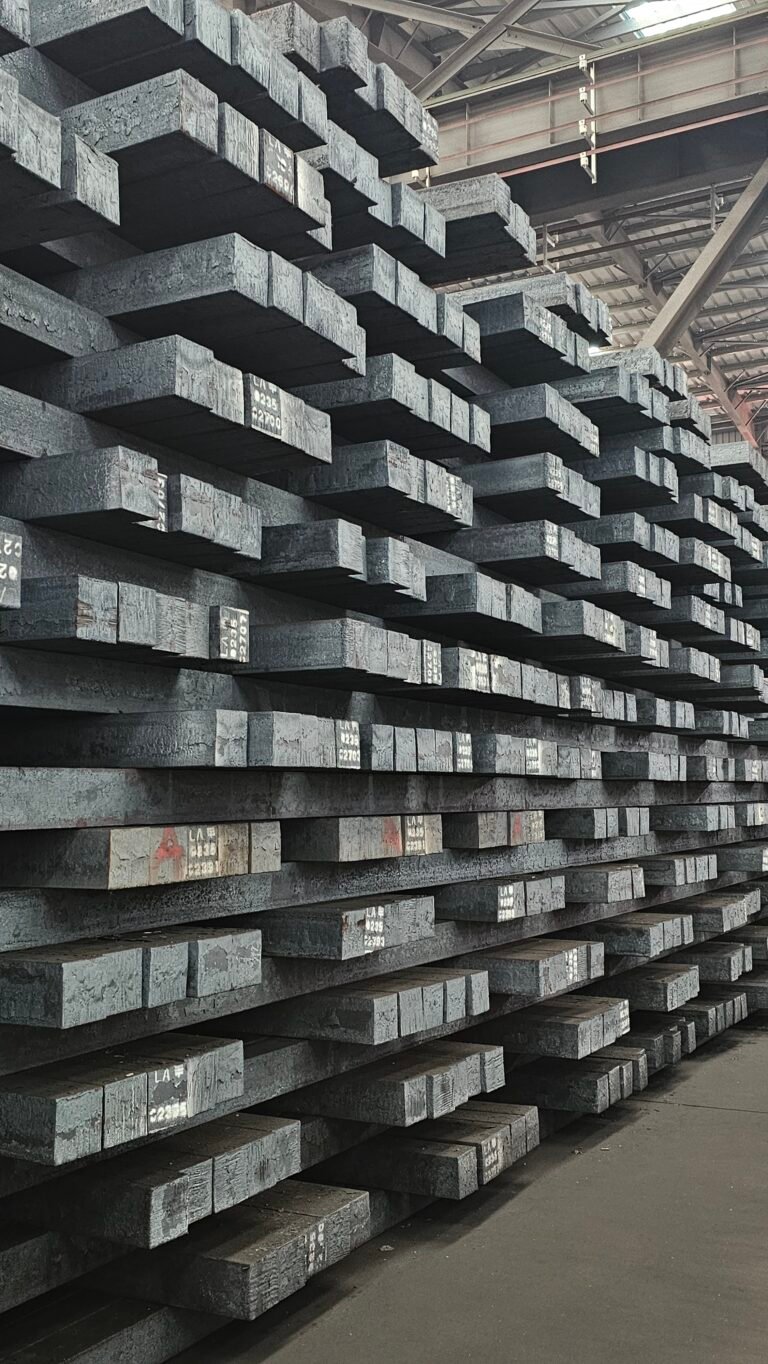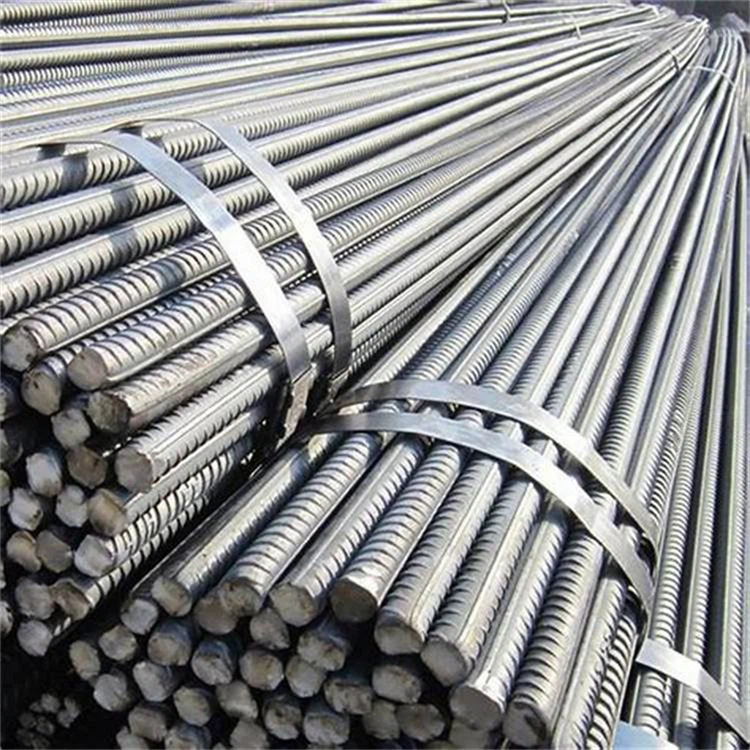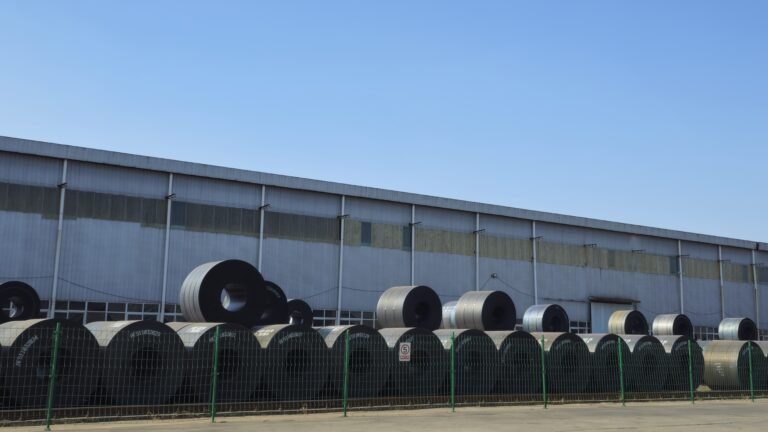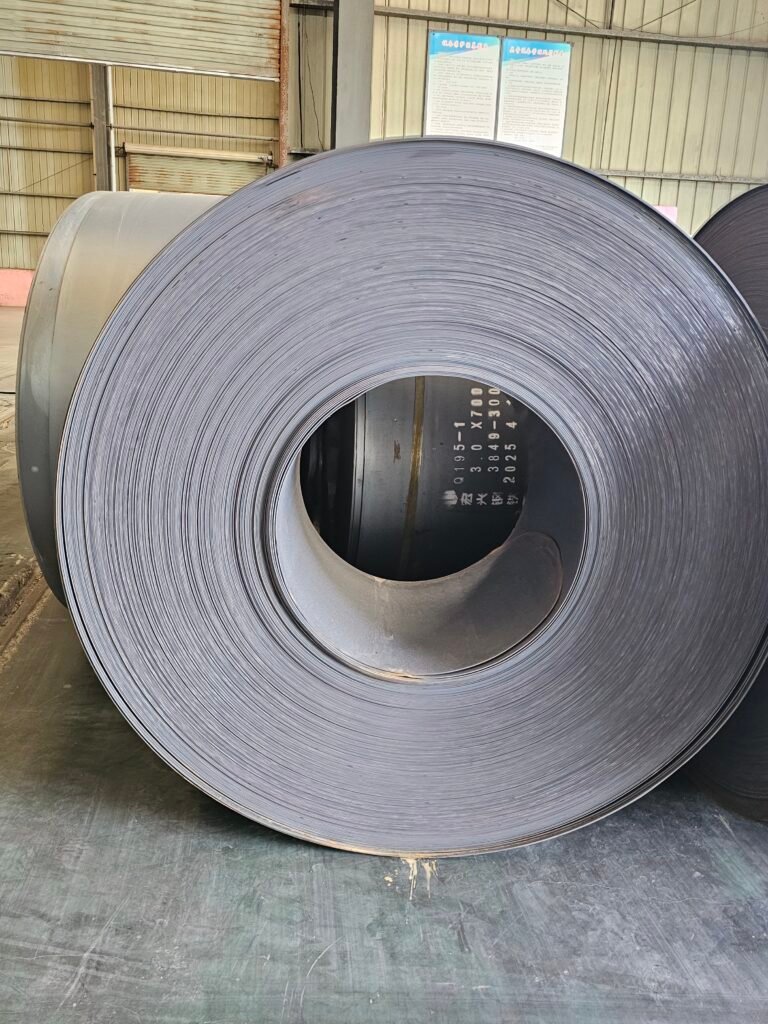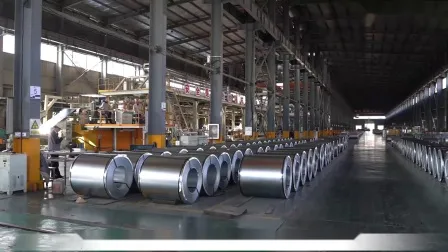
The global steel industry is undergoing its most significant transformation in decades, and at the heart of this change lies an unexpected player: the African continent.
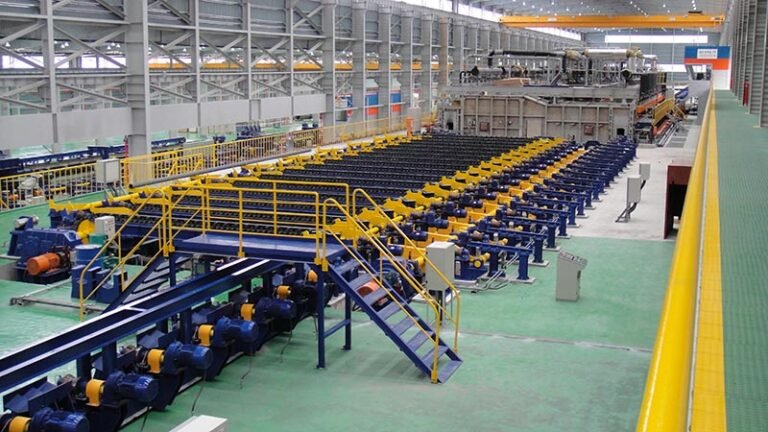
The rumbling of change echoes across Africa’s industrial landscapes—from the freshly launched steel plants in Nigeria to the world’s first solar-powered direct reduced iron facility in Namibia. While accounting for just a fraction of global production today, Africa’s steel industry is poised to reshape global markets in the coming decades, driven by burgeoning local demand, strategic international partnerships, and abundant natural resources that position the continent as a potential green steel hub .
Current Landscape: More Than Just a Blip on the Radar
While the World Steel Association officially tracks steel data from only six African nations—Algeria, Egypt, Libya, Morocco, South Africa, and Tunisia—the activity extends far beyond these borders. In 2024, these six countries collectively produced 23 million tons of steel, with Egypt leading as the continent’s largest producer and consumer at 10.7 million tons .
Yet, the real story emerges when we look beyond the traditional producers. Small and medium-scale steel plants are springing up across the continent like (spring bamboo shoots), responding to massive unmet local demand. Consider Tanzania, which imports over 1 million tons of steel annually despite having a domestic production capacity of less than 200,000 tons. Nigeria, with annual demand reaching 17 million tons, produces only 2.2 million tons locally . This glaring supply-demand gap represents both a challenge and an unprecedented opportunity.
Table: Major African Steel Producers (2024)
| Country | Annual Production (Million Tons) | Key Characteristics |
|---|---|---|
| Egypt | 10.7 | Largest African producer, production surplus but relies on high-grade imports |
| Algeria | 4.7 | Leverages natural gas for DRI production, significant foreign investment |
| South Africa | N/A (tracked by worldsteel) | Established industry facing energy challenges |
| Nigeria | 0.22 (est.) vs 17M tons demand | Massive growth potential, numerous small-scale plants |
Chinese Investment: Building Africa’s Steel Backbone
China’s presence in Africa’s steel sector has evolved from tentative exploration to strategic commitment. Through its Belt and Road Initiative, China has methodically laid the groundwork for what many analysts see as a long-term play for both resources and influence .
The numbers speak volumes: Chinese contributions to Foreign Direct Investment (FDI) in Africa reached approximately $3.4 billion in 2023, while U.S. investment was negative, indicating a net withdrawal . This investment takes multiple forms:
- Mega-projects like Zimbabwe’s Tsingshan Steel plant, which began production in 2024 with an initial capacity of 600,000 tons, with plans to eventually expand to 5 million tons .
- Nigeria’s rapidly expanding production base, including a new $450 million steel manufacturing plant by China Galaxy Group and RSIN Group’s subsidiary Stellar Steel Ltd, set to begin operations in mid-2026 .
- Specialized facilities like Emerging Cast Iron’s 250,000-ton ductile iron pipe project in Egypt’s Suez Industrial Zone, which took just eight months from construction to production .
The strategy appears to be paying dividends beyond immediate commercial gains. In October 2025, in a landmark shift, BHP Group agreed that 30% of its iron ore shipments to China would be settled in Chinese Yuan rather than U.S. dollars—a move directly enabled by alternative supply sources like the Simandou project in Guinea .
The Green Steel Revolution: Africa’s Unexpected Advantage
Perhaps the most surprising development in Africa’s steel story is its emerging role as a potential leader in green steel production. With the global steel industry responsible for 7-9% of global CO₂ emissions, decarbonization has become an urgent priority .
Namibia offers a compelling case study in how resource constraints can be transformed into advantages. Facing high unemployment (37%) and energy dependency (importing 40-60% of its needs), the country has developed an innovative blueprint for green industrialization .
The showcase project is a groundbreaking direct reduced iron facility powered entirely by renewable energy. The operation includes a 25-megawatt solar array, a 13.5-megawatt battery storage system, and Southern Africa’s largest electrolyzer array (12 megawatts). The process is elegantly simple in concept: use solar power to split water into hydrogen and oxygen, then employ hydrogen as a reducing agent to separate oxygen from iron ore .
The result? Namibia’s “first green industrial product since independence”—direct reduced iron nuggets with over 90% iron content, perfectly suited for green steel production . This project exemplifies what Namibian officials call a “United Nations effort,” with equipment from China, technology from Germany, capital from Europe, and offtake agreements from Japan, all leveraging Namibian labor and abundant sunshine .
Table: Africa’s Green Steel Advantages
| Advantage | Application in Steel Production | Example Countries |
|---|---|---|
| Abundant Solar Resources | Powering electrolyzers for hydrogen production | Namibia, Botswana |
| High-Quality Iron Ore | Low-impurity feedstock requiring less processing | Guinea (Simandou), South Africa |
| Strategic Port Locations | Cost-effective export routes to Europe and Asia | Egypt, Morocco, South Africa |
| Growing Domestic Demand | Reduced transportation emissions for local markets | Nigeria, Ethiopia, Tanzania |
The Simandou Effect: Reshaping Global Iron Ore Markets
The recent commencement of operations at Guinea’s Simandou represents what one analyst termed a “Pilbara killer,” referring to its potential to challenge Australia’s dominance in the global iron ore trade .
This project, dormant for nearly 30 years, is extraordinary in both scale and logistics. To access the remote deposit, developers had to construct a 650-kilometer heavy-duty railway connecting the mine to a new port at Morebaya . The consortium reads like a “who’s who” of global steel and mining: Singapore’s Winning International Group, China Baowu Steel Group (the world’s largest steel producer), Rio Tinto, and Aluminum Corp. of China, with the Guinean government retaining a 15% stake .
Simandou’s significance extends beyond mere volume. The high-grade, low-impurity ore is particularly suited for efficient steelmaking with lower emissions—a critical advantage as carbon constraints tighten globally. As shipments ramp up, analysts project increased competition could drive seaborne iron ore prices down to **72pertonby2029∗∗(fromcurrentlevelsaround105), reshaping cost structures across the global industry .
Future Trends: More Than Just Raw Production
According to World Steel Association General Secretary Edwin Basson, four mega-trends will shape the global steel industry in coming decades: climate change, technological evolution, socioeconomic shifts, and geopolitical realignments . Africa stands at the intersection of all these forces.
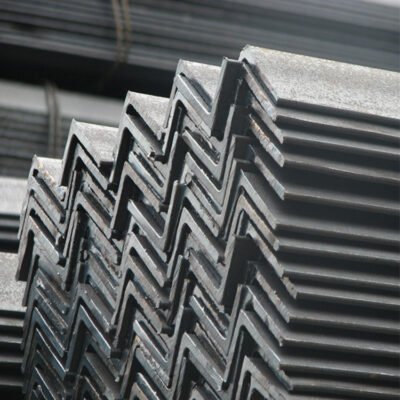
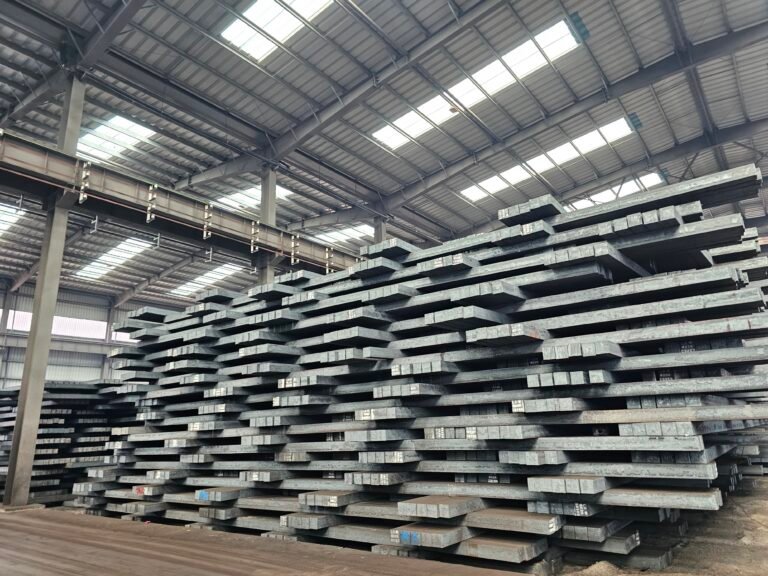
The continent’s urban transformation will be particularly significant. As Basson notes, the developing, dispersed cities typical of sub-Saharan Africa—characterized by “cheap low-rise buildings, weak transportation infrastructure, and aging power grids”—will require specific steel solutions different from those needed in developed markets . This suggests that African steel demand will be predominantly in the construction and infrastructure sectors, with particular emphasis on long products like rebar and sections .
Technologically, the industry is expected to evolve along multiple parallel paths. While the traditional blast furnace will remain important (projected to produce about 50% of global steel as late as 2050), we’ll see greater adoption of hydrogen-based direct reduction and scrap-EAF (electric arc furnace) routes . For resource-rich African nations, the DRI-EAF pathway offers particular promise, especially where natural gas is abundant .
Challenges on the Horizon
Despite the optimistic outlook, significant hurdles remain. Policy uncertainty remains a concern for investors, with some countries implementing protective measures like Tanzania’s recent tightening of mining rules to favor local companies .
Infrastructure gaps—particularly in energy and transportation—continue to constrain growth. While Kenya recently set a record for electricity generation, such reliability remains the exception rather than the norm across much of the continent .
The skills gap presents another challenge. As one Chinese steel executive noted, successful internationalization requires “localizing talent”—a lesson learned from foreign companies that have thrived in China itself .
Conclusion: A Continent Forging Its Future
Africa’s steel industry is at a tipping point, with the convergence of infrastructure demand, strategic foreign investment, and unique green energy advantages positioning the continent as the industry’s next growth frontier. While challenges around policy, infrastructure, and skills remain substantial, the direction of travel is clear.
As Basson optimistically concludes, “We can reasonably expect that the future of the steel industry will be full of opportunities and yield fruitful results. I firmly believe that the steel industry can not only overcome these difficulties but will continue to grow and develop better” .
For global markets, Africa’s rise represents both disruption and opportunity—new sources of supply, new demand centers, and potentially, new pathways to a lower-carbon steel industry. The transformation will not happen overnight, but the foundations are being laid today across Africa’s emerging industrial landscape.