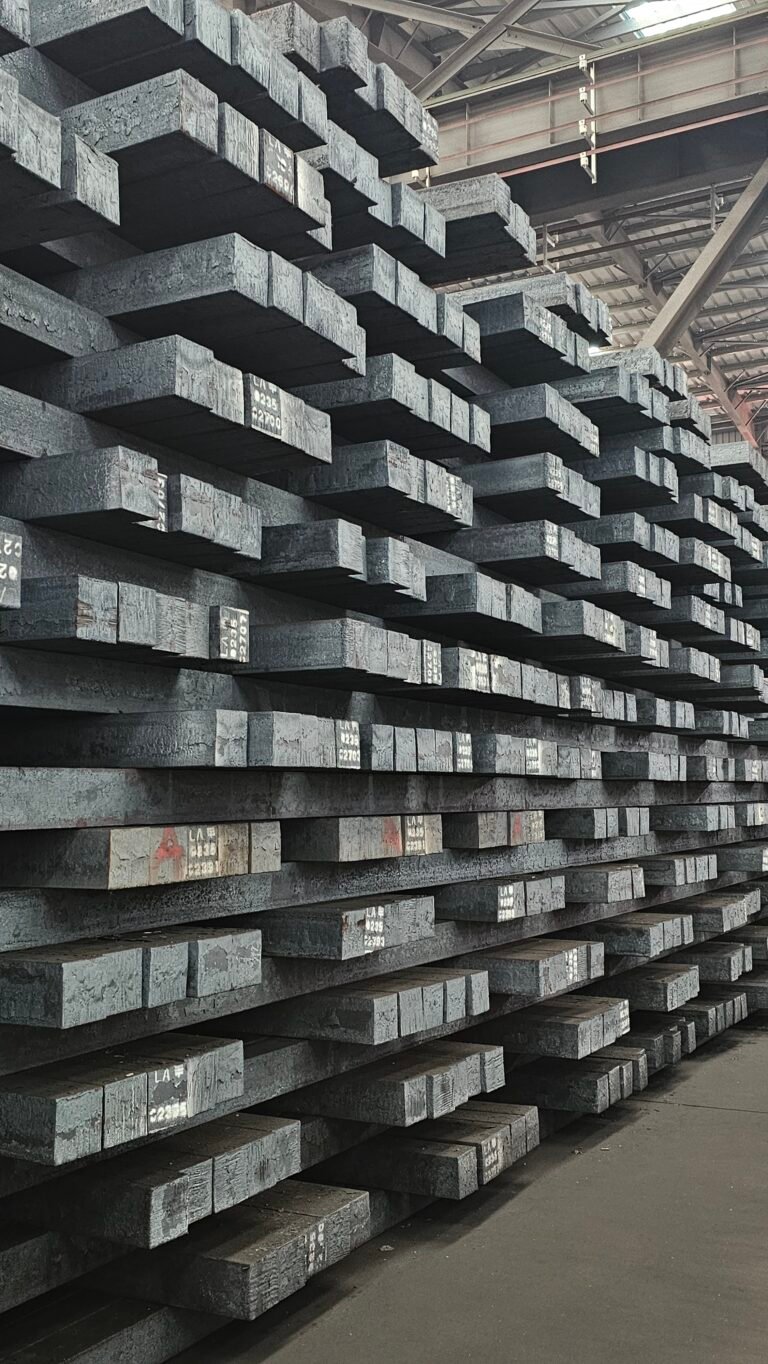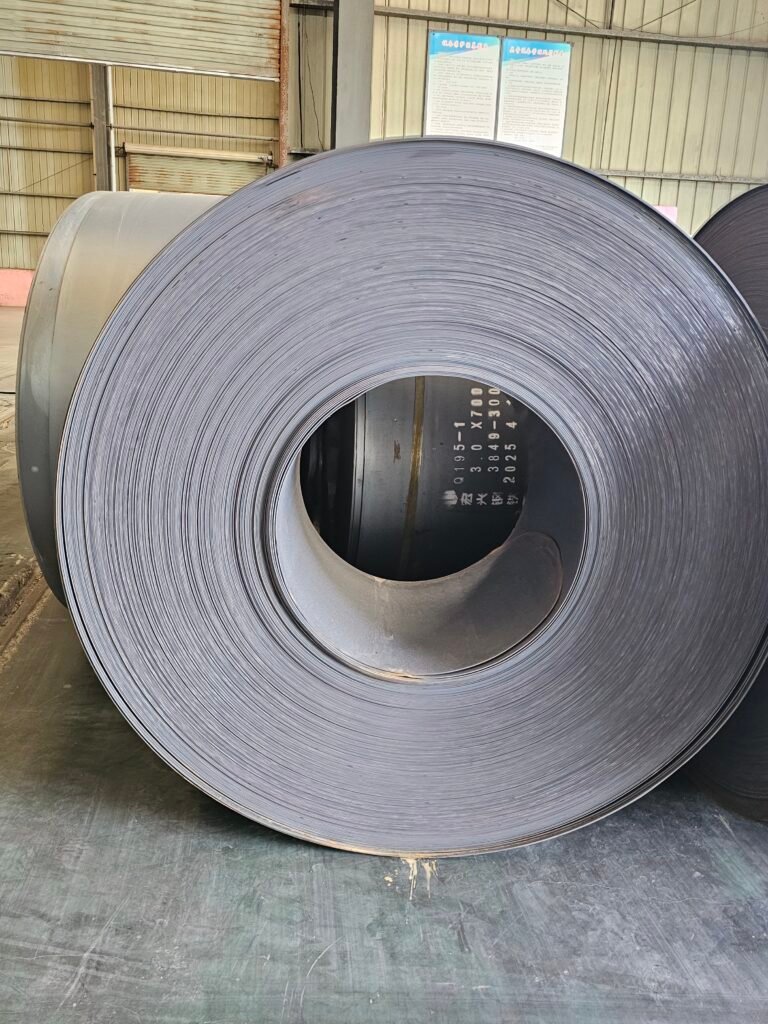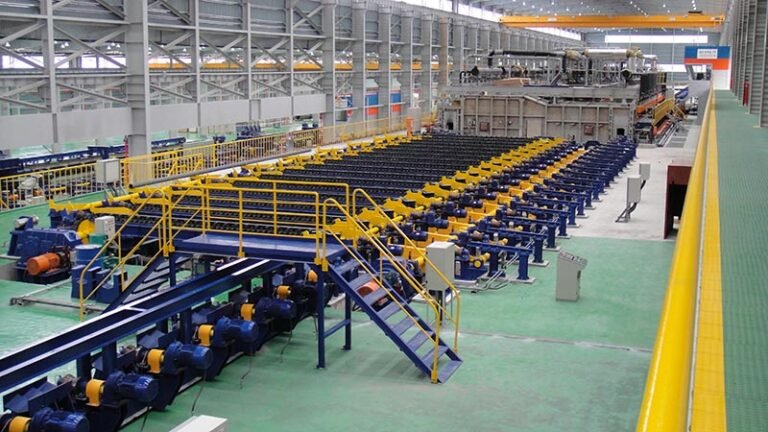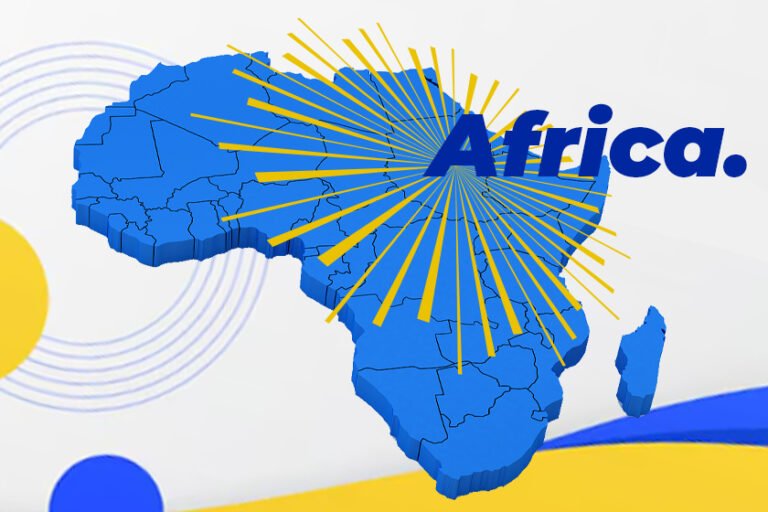
Hydrogen-based direct reduction (H-DRI) represents the most promising path to carbon-neutral steel. For Africa, a continent with vast renewable resources and mineral wealth, this technology is not just an environmental imperative but a strategic opportunity to reshape its role in the global industrial landscape. The question is no longer ifAfrica will adopt H-DRI, but whereit will take root first.
The global steel industry, responsible for 7-9% of worldwide greenhouse gas emissions, is undergoing a profound transformation centered on green hydrogen . Africa, with its 39% of global renewable energy potential and immense high-grade iron ore deposits, is uniquely positioned to become a major player in this new era . However, the adoption of H-DRI technology is not a one-size-fits-all endeavor. It requires a specific combination of resources, infrastructure, and political will. Based on current projects and national strategies, a few African nations are emerging as the clear front-runners in the race to establish a green steel industry.
The H-DRI Advantage and the African Context
Hydrogen-based direct reduction is a process where green hydrogen—produced using renewable electricity—is used as a reducing agent to turn iron ore into direct reduced iron (DRI). This DRI is then melted in an electric arc furnace (EAF) to produce steel. Unlike traditional blast furnaces that rely on coking coal, this pathway can achieve near-zero carbon emissions when powered entirely by renewables .
For Africa, the appeal is multifaceted. It allows countries to leverage their abundant sunshine and wind, reducing dependency on expensive fossil fuel imports and creating a high-value export commodity based on a sustainable resource. Furthermore, as regulations like the European Union’s Carbon Border Adjustment Mechanism (CBAM) come into full effect, green steel will gain a significant competitive advantage in international markets .
The Leading Contenders: A Comparative Analysis
The following table summarizes the core advantages of the most promising African nations for H-DRI technology.
| Country | Core Strategic Advantage | Key Resources & Assets | Representative Projects / Progress |
|---|---|---|---|
| Namibia | Green Hydrogen Pioneer | World-class solar/wind resources, large land availability, strong political commitment. | HyIron Oshivela plant (aiming for 15,000 t/year DRI by late 2025); $10 B Hyphen Hydrogen project for green ammonia . |
| Egypt | Established Industrial Base & Market Access | Largest steel producer in Africa, proximity to European markets, established industrial zones. | Multiple green hydrogen projects in pipeline; government support for local production and import substitution . |
| Mauritania | Resource-Driven Exporter | Major iron ore producer (2nd in Africa), significant renewable potential, focused on green iron intermediates. | Partnership with ArcelorMittal for a 2.5M ton/year green pellet and DRI plant . |
| South Africa | Integrated Industrial Transition | Most advanced industrial base, existing infrastructure, and technical skills; significant mineral resources (PGMs). | Exploring hydrogen-based DRI and Carbon Capture; mini-mills using scrap metal are growing rapidly . |
| Algeria | Gas-Fueled Transition | Abundant and low-cost natural gas reserves, which can be a bridge fuel to green hydrogen. | Leveraging natural gas for gas-based DRI production, attracting foreign investment in integrated plants . |
In-Depth National Profiles
1. Namibia: The Green Hydrogen Trailblazer
Namibia has moved with remarkable speed to establish itself as Africa’s hydrogen leader. The government’s “Green Industrialisation Blueprint” provides a clear and focused vision . The country’s advantages are foundational: it boasts some of the world’s best solar radiation levels and high wind speeds, which translate into a potential for extremely low-cost green hydrogen production .
The HyIron Oshivela project is a landmark achievement. As Africa’s first industrial-scale green hydrogen-based DRI project, it demonstrates the technical feasibility on the continent. It aims to produce 15,000 tonnes of DRI annually, potentially avoiding 27,000 tonnes of CO₂ emissions per year . This, combined with the massive $10 billion Hyphen Hydrogen project, positions Namibia not just for domestic green steel production but as a future exporter of green hydrogen and iron to Europe .
2. Egypt: The Industrial Powerhouse
Egypt’s advantage lies in its scale and existing market. As Africa’s largest steel producer and consumer, it has a massive domestic demand driven by its ongoing infrastructure boom . This provides a ready market for green steel, de-risking initial investments. The government is actively promoting local production through policies and has attracted numerous green hydrogen project proposals .
Egypt’s strategy is likely to focus on gradual integration. Instead of building entirely new greenfield plants, the initial focus may be on blending hydrogen into existing industrial processes and gradually replacing natural gas with green hydrogen in its industrial clusters, leveraging its proximity to European markets.
3. Mauritania: The Iron Ore Specialist
Mauritania’s strategy is distinct: it is focusing on its core competency—iron ore. Rather than aiming for finished steel immediately, it is pursuing the production of “green iron” intermediates, such as high-quality DRI and green pellets, for export to international markets where they can be turned into green steel . This approach capitalizes on its existing mining infrastructure and export relationships.
The country’s partnership with ArcelorMittal to evaluate a large-scale green DRI plant exemplifies this resource-driven model. By adding value to its iron ore before export, Mauritania can capture more economic benefits while establishing itself in the green value chain.
4. South Africa: The Established Player with a Complex Path
South Africa possesses the continent’s most advanced industrial ecosystem, including technical expertise and existing port and rail infrastructure. The Steel Sector Master Plan outlines ambitions for revitalization, including green initiatives . The growth of mini-mills using scrap metal in electric arc furnaces shows a movement towards lower-carbon production .
However, South Africa faces significant challenges, primarily an unreliable energy supply . Its path to H-DRI may be longer and more complex, potentially involving a transition through natural gas or focusing on the circular economy of scrap metal recycling before fully committing to capital-intensive green hydrogen production.
Key Challenges and the Path Forward
Despite the potential, significant hurdles remain common across the continent:
- Infrastructure and Financing: The initial capital expenditure for H-DRI plants and associated renewable energy infrastructure is enormous . Many African nations also face deficits in stable power grids and efficient transport logistics, which increase operational costs .
- Skills and Technology Transfer: There is a shortage of technical expertise in these new technologies. Developing a skilled workforce through education and vocational training is crucial, and international partnerships will be key to technology transfer .
- Policy and Regulation: Creating stable, investor-friendly policies is essential to attract the necessary foreign direct investment. This includes clear regulations on land use, water resources, and attractive incentives for green technology .
The African Continental Free Trade Area (AfCFTA) could be a game-changer, creating larger, integrated markets that make large-scale green steel production more economically viable .
Conclusion
There is no single “winner” in the race for green steel in Africa, as different countries offer different value propositions. However, Namibia currently holds the lead due to its focused strategy, unparalleled renewable resources, and tangible project progress. Egypt offers the most immediate market scale, while Mauritania presents a specialized, resource-focused model. South Africa, if it can overcome its energy challenges, has the deepest industrial base to build upon.
The success of H-DRI in Africa will depend on strategic partnerships that combine international capital and technology with local resources and political vision. Those nations that can effectively create these synergies are poised not only to secure their own sustainable industrial future but to become critical suppliers in the global low-carbon economy.