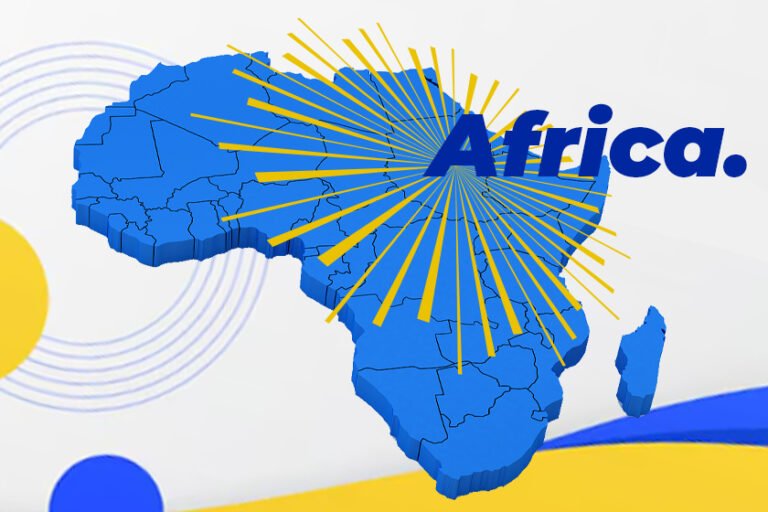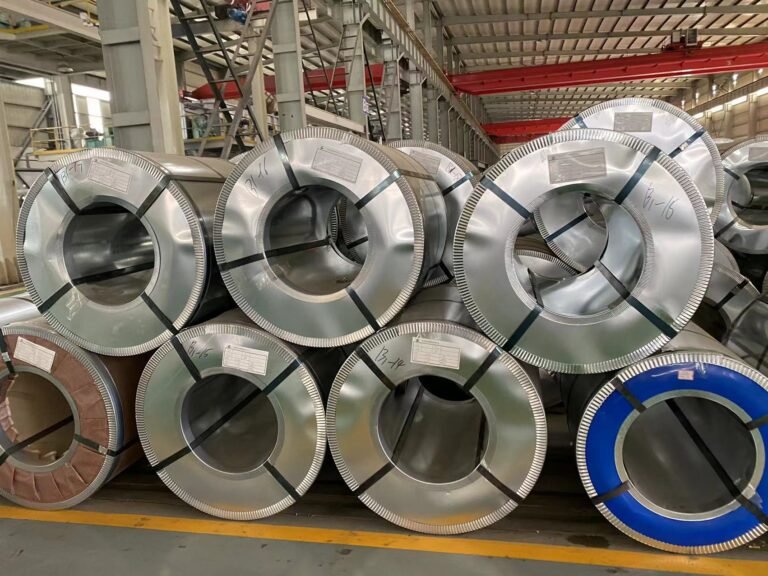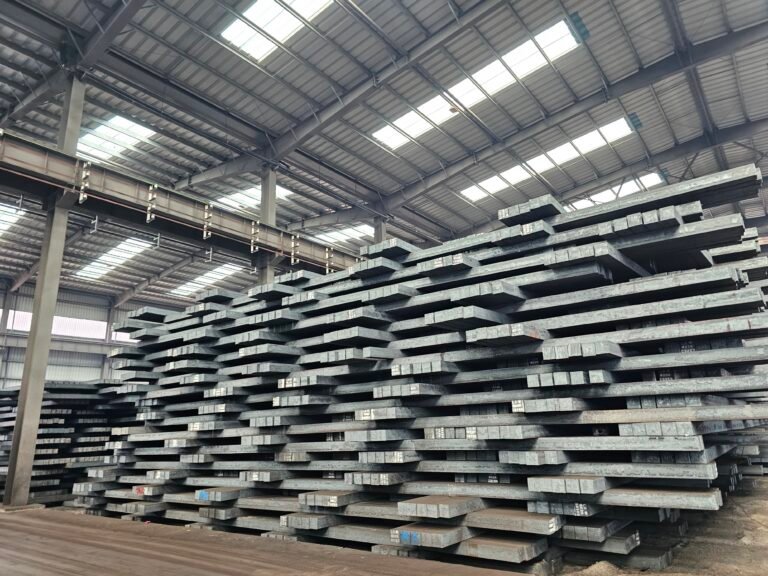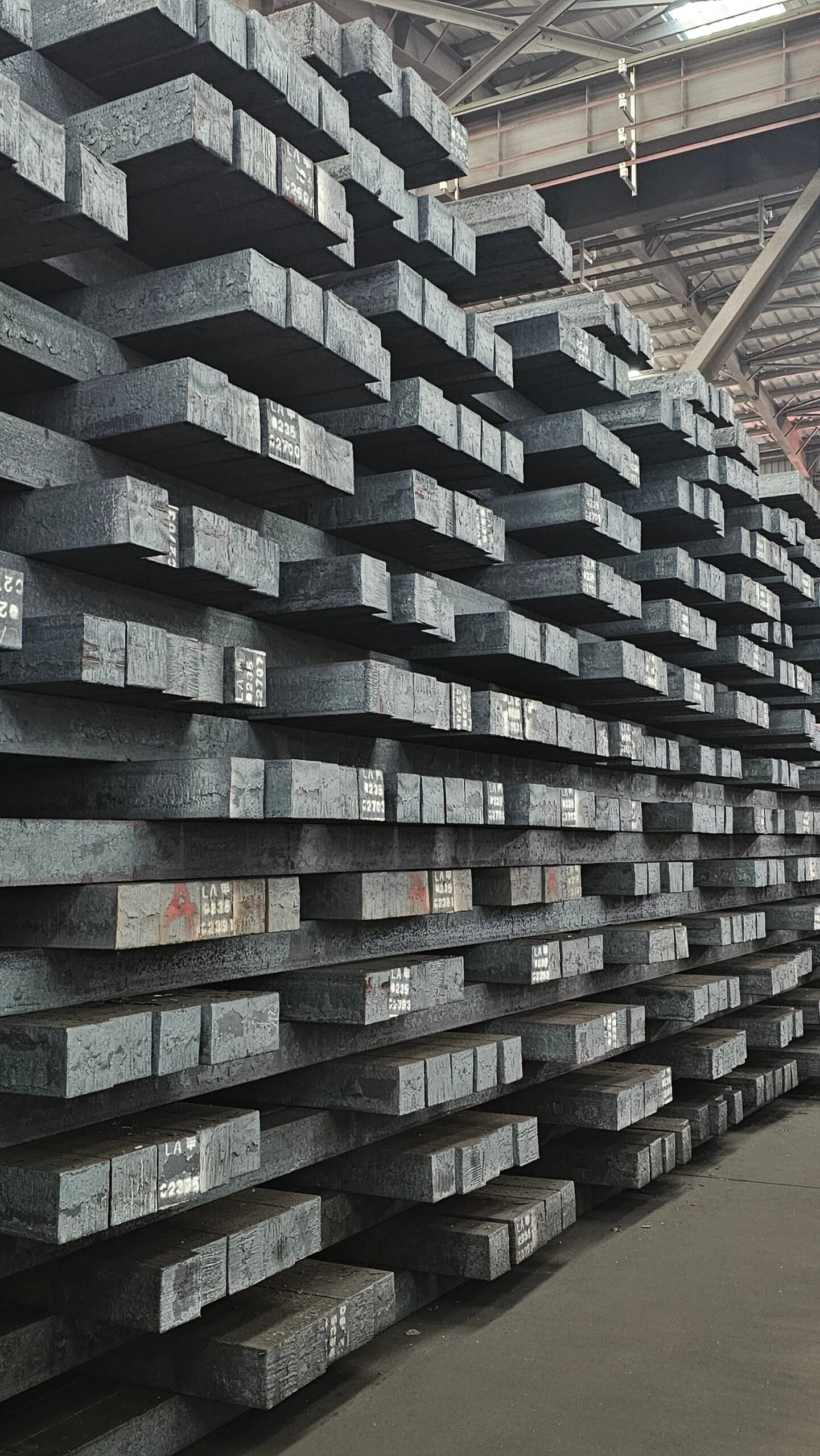
The African steel industry is undergoing a transformative shift, with countries leveraging policy interventions and strategic planning to capitalize on green transition opportunities. Below is a detailed analysis of key nations’ approaches to fostering competitive and sustainable steel production.
1. Egypt: Regional Leadership Through Industrial Modernization
As Africa’s largest steel producer (10.7 million tons in 2024), Egypt prioritizes market protection and industrial upgrading. The government imposes tariffs on imported steel to shield local producers while supporting capacity expansion through projects like Ezz Steel’s new electric arc furnace and Suez Steel’s 800,000-ton heavy-section mill. Egypt’s strategy also integrates green hydrogen initiatives, such as partnerships with European counterparts to develop hydrogen-based direct reduction iron (DRI) plants, aligning with its goal to reduce carbon intensity by 2030.
2. South Africa: Systemic Revitalization via a Master Plan
South Africa’s Steel Sector Master Plan focuses on overcoming energy shortages, high logistics costs, and aging infrastructure. The plan promotes localization, encouraging the use of domestically produced steel in public projects, and supports R&D in green technologies like hydrogen-based DRI and carbon capture. The country aims to repurpose its existing infrastructure—such as the Saldanha Bay industrial zone—for green steel production, leveraging its renewable resources and scrap metal recycling ecosystem.

3. Nigeria: Ambition Meets Pragmatism in Capacity Revival
Nigeria’s National Industrial Revolution Plan (NIRP) targets 10 million tons of annual steel production by 2030. Key initiatives include reviving the Ajaokuta Steel Company and supporting private investments like KAM Steel’s 600,000-ton capacity expansion. The government offers tax incentives for local production and imposes import restrictions to reduce reliance on foreign steel. However, infrastructural gaps in power and transport remain significant hurdles.
4. Algeria: Gas-Driven Transition and Foreign Investment
Algeria leverages its abundant natural gas to develop gas-based DRI production, serving as a bridge to green hydrogen. The government partners with international firms like Turkey’s Tosyalı and Qatar Steel to build integrated plants, combining low-carbon interim solutions with long-term green transitions. Policies also emphasize infrastructure development, such as the Trans-Saharan railway, to facilitate raw material transport and export logistics.
5. Mauritania: Green Steel Pioneer with Resource Leverage
Mauritania aims to capture 1% of the global green steel market by 2050 by capitalizing on its high-grade iron ore and solar/wind resources. The government collaborates with ArcelorMittal to build a 2.5-million-ton green pellet and DRI plant, supported by the EU’s “Global Gateway” infrastructure program. The country’s focus on hydrogen-based DRI positions it as a future exporter of low-carbon steel to Europe.
6. Zimbabwe: FDI-Driven Leapfrogging
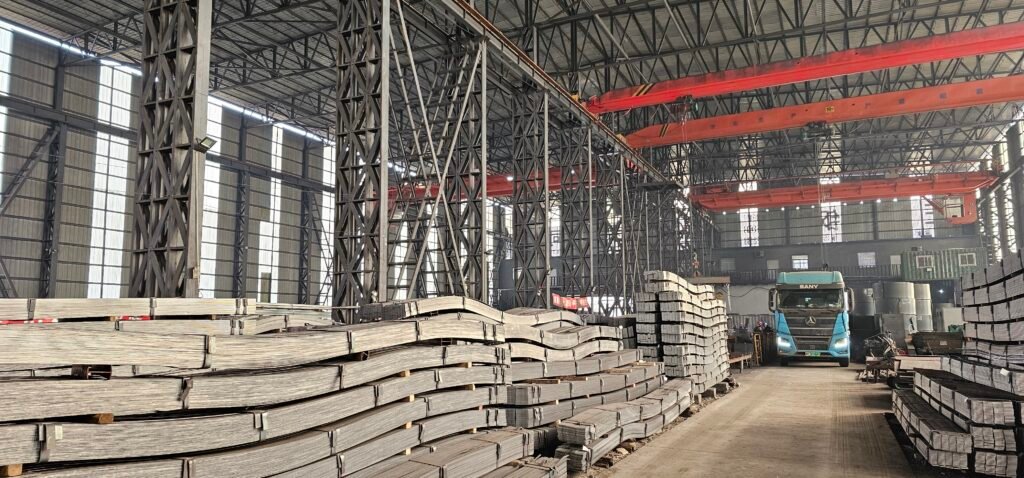
Zimbabwe attracts foreign direct investment (FDI) through incentives like tax holidays and mining concessions. Projects like the $1.5 billion Tsingshan Steel plant (targeting 5 million tons annually) and the Steelmakers Limited’s 300,000-ton facility underscore its strategy to become a major producer. The country also plans complementary infrastructure, such as a 300 MW power plant, to ensure energy security for steelmaking.
Cross-Cutting Enablers and Challenges
Policy Tools:
- Tariff Protection: Egypt and Nigeria use import tariffs to nurture local industries.
- Green Incentives: South Africa and Mauritania offer tax breaks for renewable energy integration.
- FDI Promotion: Zimbabwe and Algeria streamline regulations for foreign investors.
Persistent Barriers:
- Infrastructure Deficits: Inadequate power grids and transport networks increase operational costs, particularly in Nigeria and Zimbabwe.
- Financing Gaps: High capital requirements for green technologies (e.g., electrolyzers) delay project rollout.
- Skills Shortages: Technical expertise in hydrogen and DRI technologies remains limited.

Conclusion: Divergent Paths, Shared Goals
Africa’s green steel strategies reflect tailored approaches: Egypt and South Africa focus on modernizing legacy systems; Nigeria and Zimbabwe prioritize capacity building; while Mauritania and Algeria bet on resource-driven green transitions. Success hinges on integrating policies—like the African Continental Free Trade Area (AfCFTA)—to create scale, alongside international partnerships for technology transfer. If executed cohesively, these blueprints could position Africa as a competitive player in the global low-carbon steel market.