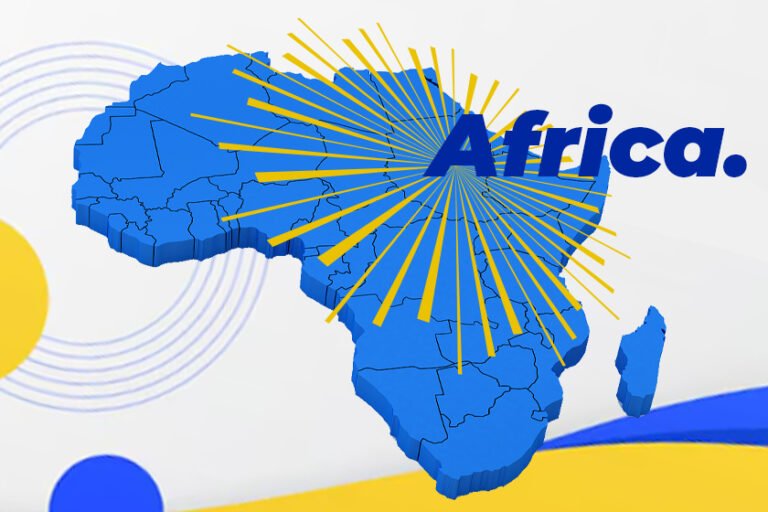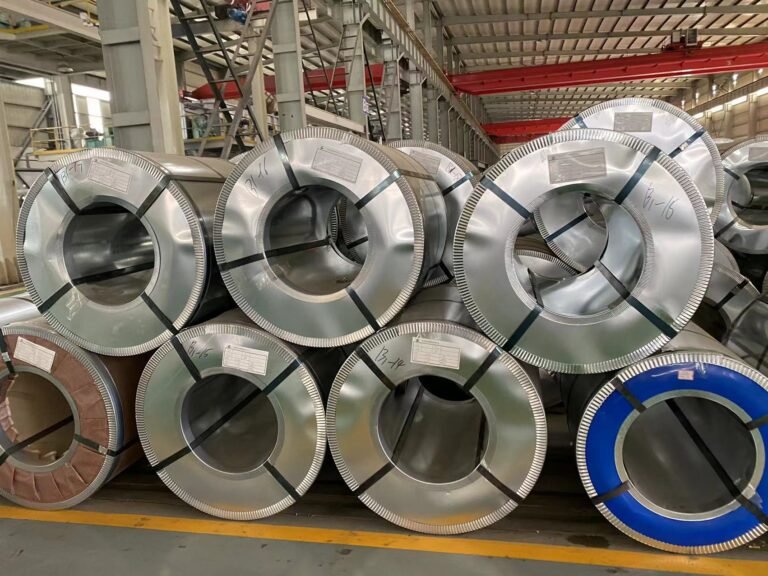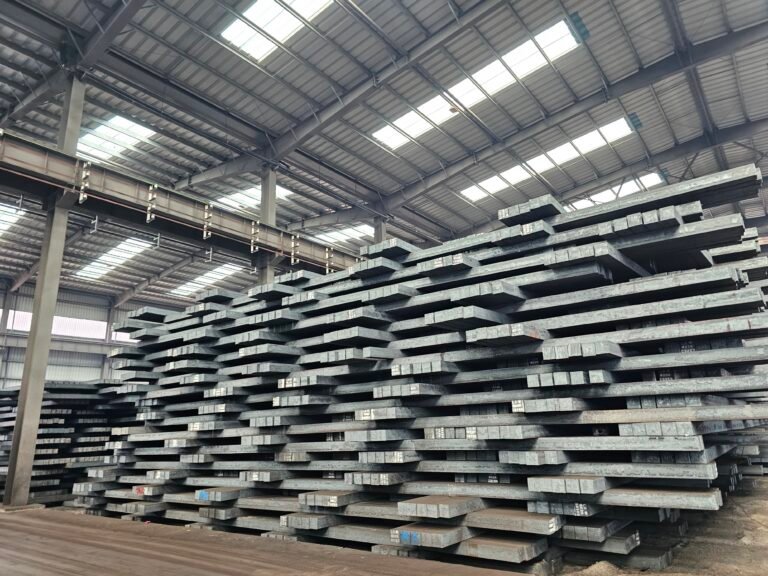
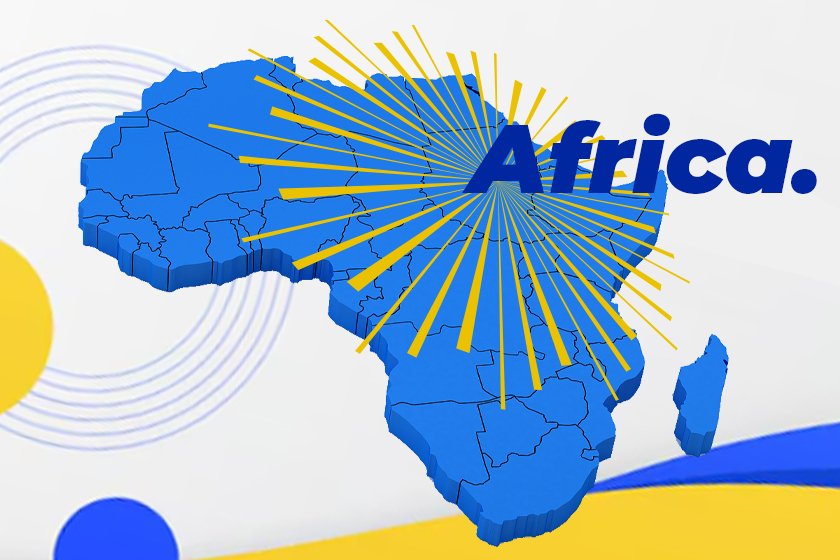
The European Union’s Carbon Border Adjustment Mechanism (CBAM) presents a dual-edged sword for Africa’s emerging green steel industry, creating significant compliance cost challenges while simultaneously offering substantial market differentiation opportunities . The core impact lies in the fact that CBAM makes the carbon cost a key determinant of the price competitiveness of products in the EU market . For African steel producers, the mechanism, which entered its transitional phase in October 2023 and is scheduled for full implementation starting in 2026, will impose a carbon price on imports of carbon-intensive goods like steel into the EU . This article analyzes the specific impacts and strategic pathways for African green steel.
1. Cost Competitiveness and Market Access
CBAM fundamentally alters the competitive landscape for exports to the EU. It is designed to price the embedded carbon emissions in imported products, with certificate costs linked to the EU Emissions Trading System (ETS) carbon price .
- Challenge for Traditional Steel: African traditional high-carbon steel will face significantly increased costs, eroding its price advantage. Estimates suggest that steel exports from countries like India could see costs rise by up to 32%, and while African nations might have varying baselines, their industries often face similar challenges of higher carbon intensity per unit of output compared to European counterparts .
- Opportunity for Genuine Green Steel: In contrast, low-carbon green steel, produced with minimal emissions (e.g., via hydrogen-based direct reduction), would face little to no CBAM fees . This creates a clear relative cost advantage for green steel produced in Africa.
- New Market Standard: Beyond price, carbon footprint becomes a new de facto standard for market access. While high-carbon African steel risks being phased out of the EU market, certified green steel can access the EU as a premium product, catering to the growing demand for sustainable materials .
2. Industrial Transformation and Africa’s Unique Advantages
CBAM acts as a powerful regulatory incentive for industrial transformation. It encourages producers to invest in emission reduction technologies to avoid the carbon levy . Africa is uniquely positioned to respond due to several inherent advantages:
- Abundant Renewable Resources: The continent possesses 39% of the world’s renewable energy potential . This provides the foundation for producing the green hydrogen essential for near-zero carbon steelmaking, potentially making Africa a future leader in low-cost green steel production .
- High-Quality Iron Ore: Deposits like the Simandou project in Guinea feature high-grade, low-impurity ore ideally suited for the direct reduction iron (DRI) process, which is central to green steel production .

3. Key Challenges and Strategic Pathways for Africa
Despite the potential, significant hurdles remain. African nations and investors must navigate several challenges to capitalize on the opportunity.
- Infrastructure and Financing Gaps: Unreliable electricity supply and underdeveloped transport networks increase operational costs . The initial capital expenditure for green steel technologies, such as hydrogen-based DRI plants, is enormous, and Africa faces an estimated annual financing gap of over $200 billion for industrial decarbonization .
- Policy and Skills Development: The shortage of technical expertise in new green steel technologies is a constraint. Developing a skilled workforce is crucial, and international partnerships will be key to technology transfer . Creating stable, investor-friendly policies is also essential to attract the necessary foreign direct investment .
Strategic Recommendations for Enhancing Competitiveness
To transform CBAM from a threat into an opportunity, African stakeholders can consider the following strategic actions:
- Develop Robust Carbon Accounting Systems: Companies must establish accurate carbon emission monitoring, reporting, and verification (MRV) systems. Providing verifiable low-emission data is critical for CBAM compliance and avoids the application of punitive default values .
- Leverage Transitional Technologies: While the end goal is green hydrogen, countries like Angola can use abundant natural gas as a “bridge fuel” for gas-based DRI production, which has approximately 50% lower emissions than traditional blast furnaces, providing a transitional pathway .
- Foster International Partnerships and Innovation: Strategic collaborations for technology transfer and access to green climate finance are vital. The “African Continental Free Trade Area (AfCFTA)” can also help create larger, integrated markets, making large-scale green steel production more economically viable .
4. Conclusion: A Catalyst for Strategic Differentiation
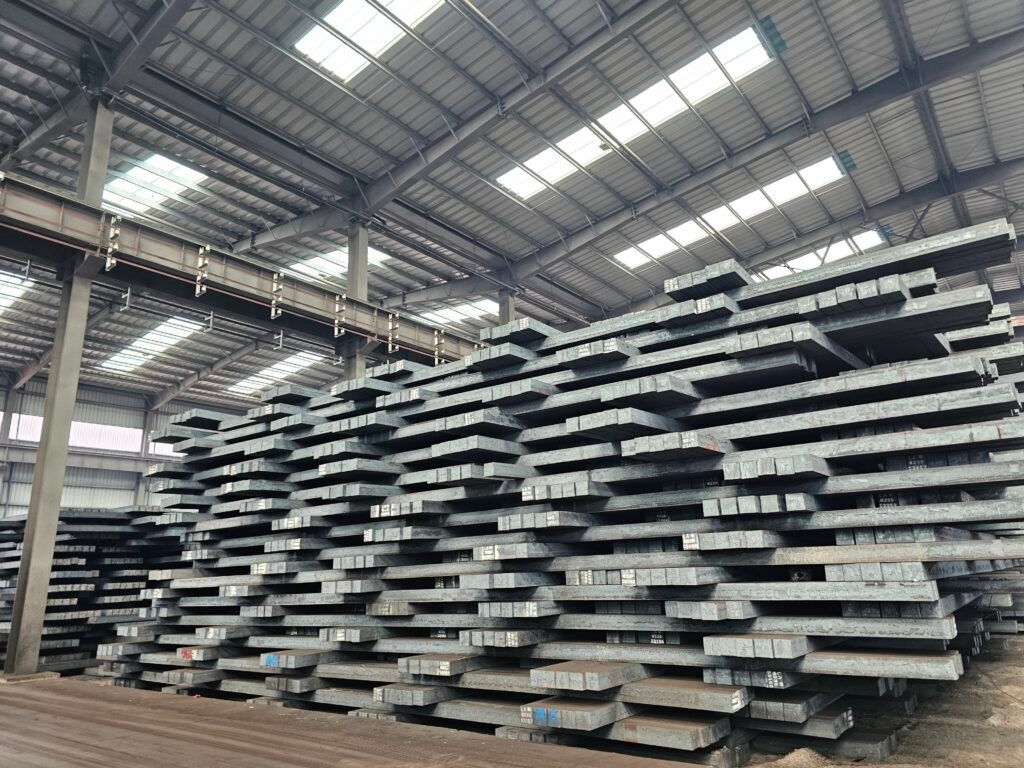
In conclusion, the EU’s CBAM represents a significant regulatory shift that will profoundly impact African steel exports. In the short term, it poses a substantial compliance cost challenge for traditional, carbon-intensive steel producers. However, in the long run, it serves as a powerful catalyst for green industrialization. For African countries that can strategically leverage their unparalleled renewable energy resources and high-quality raw materials to build a verifiable green steel industry, CBAM could provide a decisive competitive edge in the critical European market. The ultimate impact—whether it leads to market marginalization or industrial transformation—will depend on the strategic responses of African governments and industries in overcoming infrastructure, financing, and technical barriers .