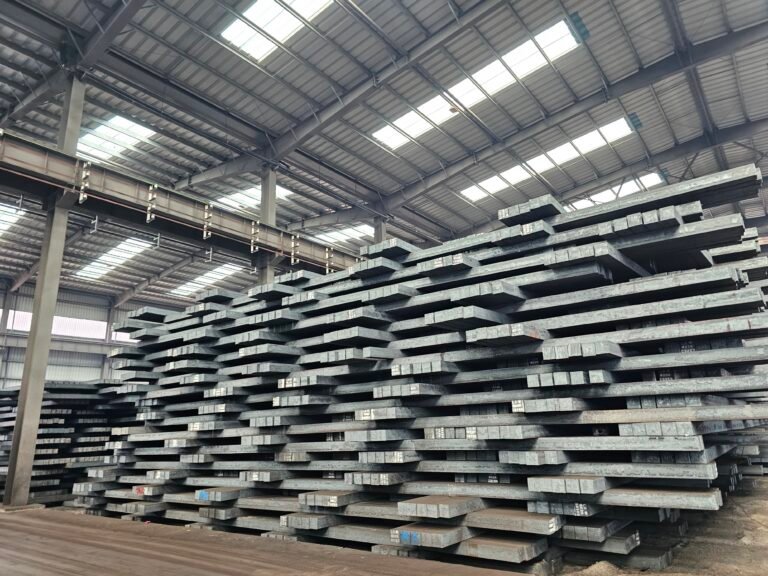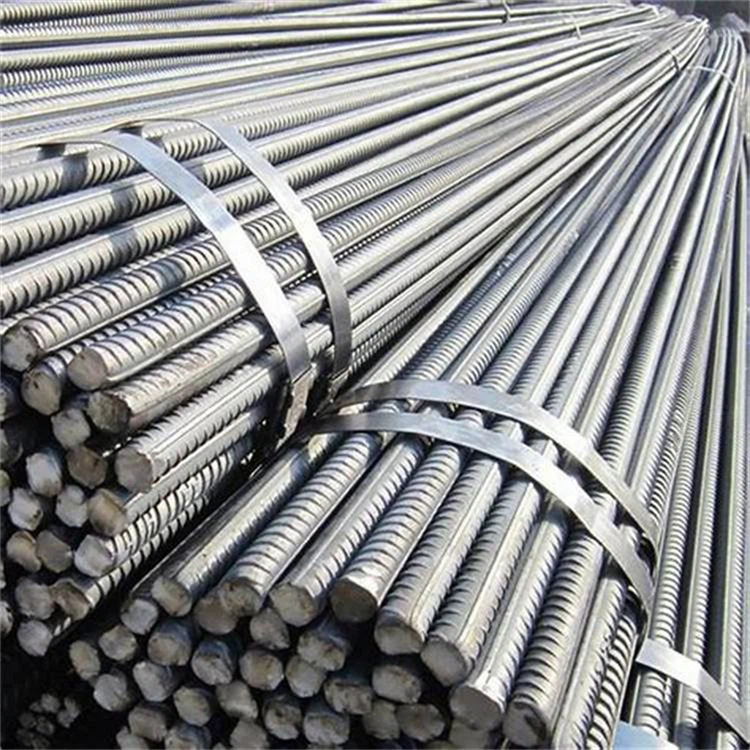
Driven by rapid urbanization, massive infrastructure needs, and the global green transition, Africa’s steel industry is at a pivotal juncture. However, unlocking its potential requires more than just market demand; it necessitates deliberate and strategic government intervention. Major steel-producing nations across the continent are now implementing a range of targeted policies and development plans aimed at boosting local production, attracting investment, and securing a place in the future global market. This article explores the specific strategic blueprints of Egypt, South Africa, Nigeria, Algeria, and Zimbabwe.
🇪🇬 Egypt: The Drive for Regional Leadership
Egypt, Africa’s top steel producer, is pursuing an ambitious strategy focused on modernization and export-oriented growth. The government has elevated the iron and steel sector as a national priority, holding high-level meetings to address systemic challenges like raw material shortages, bureaucratic delays, and inconsistent regulations.
A key pillar of this strategy is a push for local content and supply chain resilience, aiming to reduce dependency on imported components by strengthening upstream sectors like mining. The government is also crafting policies to turn Egypt into a net exporter, using targeted investment incentives, simplified customs procedures, and public-private partnerships to attract foreign direct investment. A landmark of this industrial push was the inauguration of new facilities at Suez Steel in 2025, which included a pellet plant and the country’s first heavy section and rail mill, significantly boosting production capacity and product sophistication.
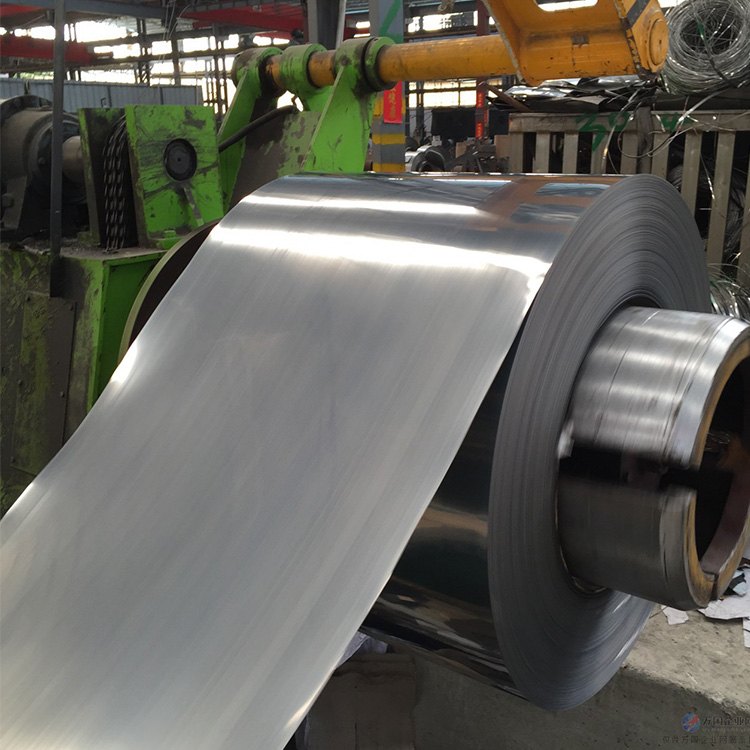
🇿🇦 South Africa: A Structured Master Plan for Revival
South Africa has taken a highly structured approach with its Steel and Metal Fabrication Master Plan, signed in 2021 by the government, industry, and labor. This social compact outlines six priority areas: demand-side and supply-side measures, export promotion, transformation, skills development, and resource mobilization.
The plan’s implementation includes practical measures such as:
- Trade interventions to support downstream industries.
- A Price Preference System for scrap metal to ensure affordable raw materials for local value-addition.
- The establishment of a Steel Fund and the use of development finance to support projects across the value chain.
A critical focus is preparing for the green transition. Acknowledging the risk of the EU’s Carbon Border Adjustment Mechanism (CBAM) to its exports, the plan emphasizes decarbonization. The government and industry are exploring pathways like “green hydrogen” direct reduction iron (GHDRI) technology and are promoting the growth of “mini-mills” that use electric arc furnaces to recycle scrap, a process with a significantly lower carbon footprint than traditional blast furnaces.

🇳🇬 Nigeria: Reviving Giant Ambitions
Nigeria’s strategy centers on revitalizing long-dormant assets and leveraging its vast domestic market. The cornerstone is the Nigeria Industrial Revolution Plan (NIRP), which aims to increase the manufacturing sector’s contribution to GDP by focusing on areas of competitive advantage, including metals and solid minerals.
A central goal is the revival of the Ajaokuta Steel Company, a massive integrated plant that has been non-operational for decades. The government views its resuscitation as critical to achieving self-sufficiency. The policy environment also includes efforts to curb cheap imports and foster backward integration, encouraging local production of goods to reduce reliance on imports. However, the sector faces significant headwinds, including infrastructural deficits, particularly in power and transport, and challenges in attracting the substantial investment needed for modernization.
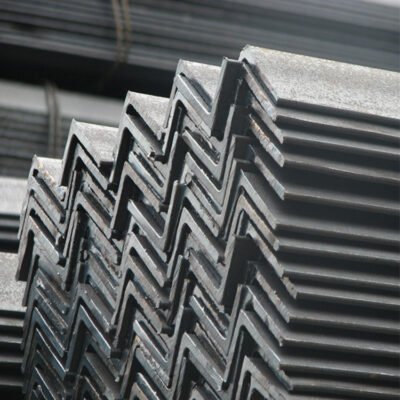
🇩🇿 Algeria & 🇿🇼 Zimbabwe: Targeted Investment and Protection
Other African nations are employing more focused strategies to build their steel industries.
- Algeria is aggressively attracting foreign investment to leverage its natural gas resources. A prime example is a major investment by China’s Jingdong Steel to build a new plant using 80% local raw materials. This project, which includes a technology transfer component, aligns with Algeria’s broader industrial ambitions, including developing its vast Gara Djebilet iron ore mine.
- Zimbabwe has taken a direct approach to protect its emerging local industry. In 2025, the government gazetted a statutory instrument requiring importers to apply for licenses for specific steel products. This measure is designed explicitly to support the massive Dinson Iron and Steel Company (DISCO) project, prevent “speculative imports,” and safeguard the development of a local steel value chain.
Shared Challenges and the Path Forward
Despite these ambitious plans, common challenges persist across the continent. These include inadequate infrastructure (especially energy and transport), high production costs, competition from cheaper imports, and the need for significant skills development. The success of these national plans will depend on effective implementation, consistent policy execution, and continued collaboration between governments and the private sector.
Furthermore, the African Continental Free Trade Area (AfCFTA) presents a monumental opportunity. By creating a single continental market, it can incentivize the development of regional value chains, allowing countries to specialize—for instance, in iron ore mining, green hydrogen production, or high-value steel manufacturing—and trade seamlessly with each other. This regional integration could be the final piece that unlocks Africa’s potential, not just to meet its own needs but to become a competitive global player in the steel industry of the future.