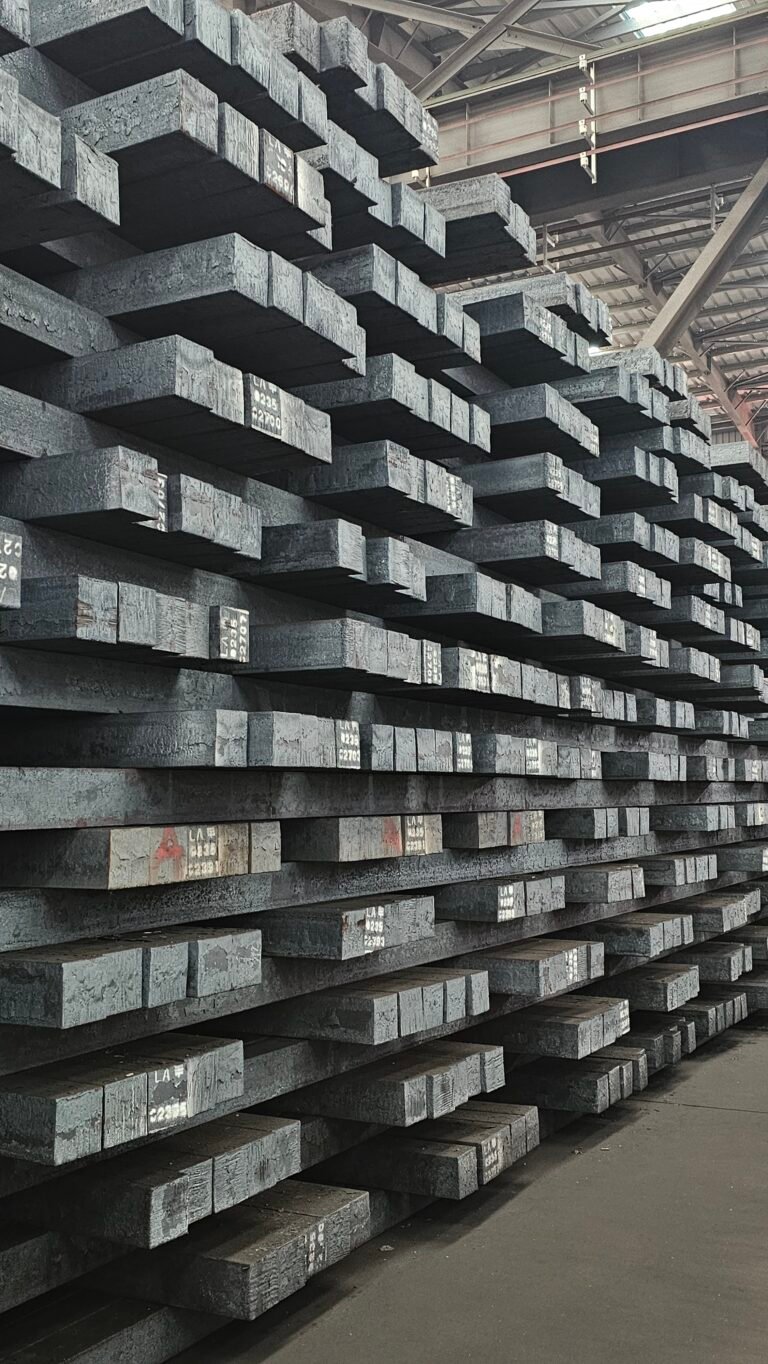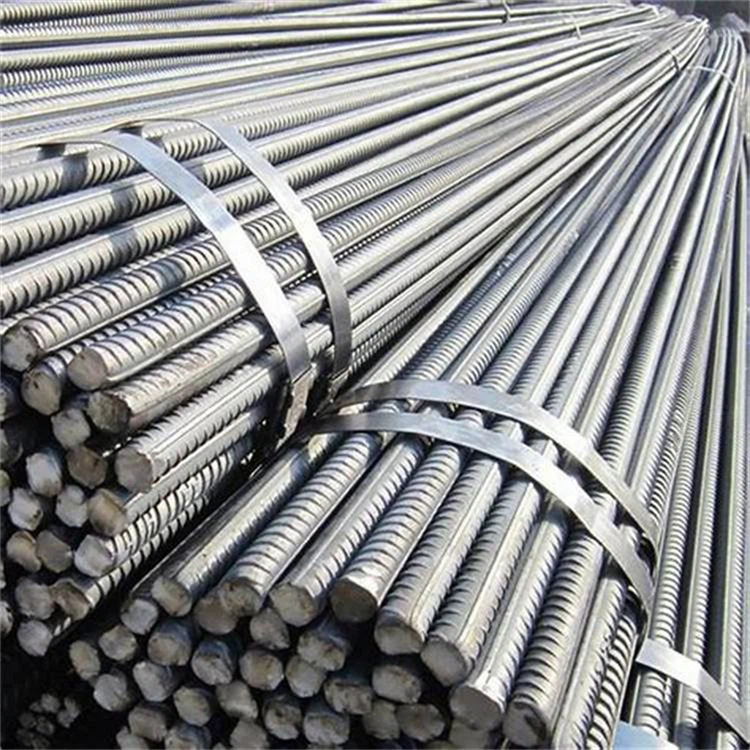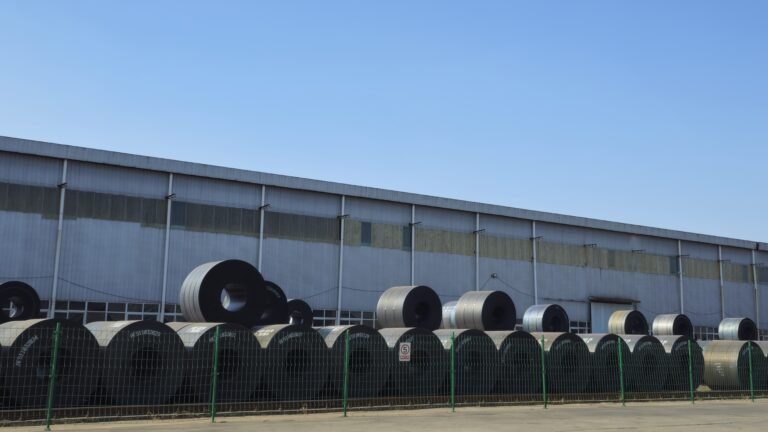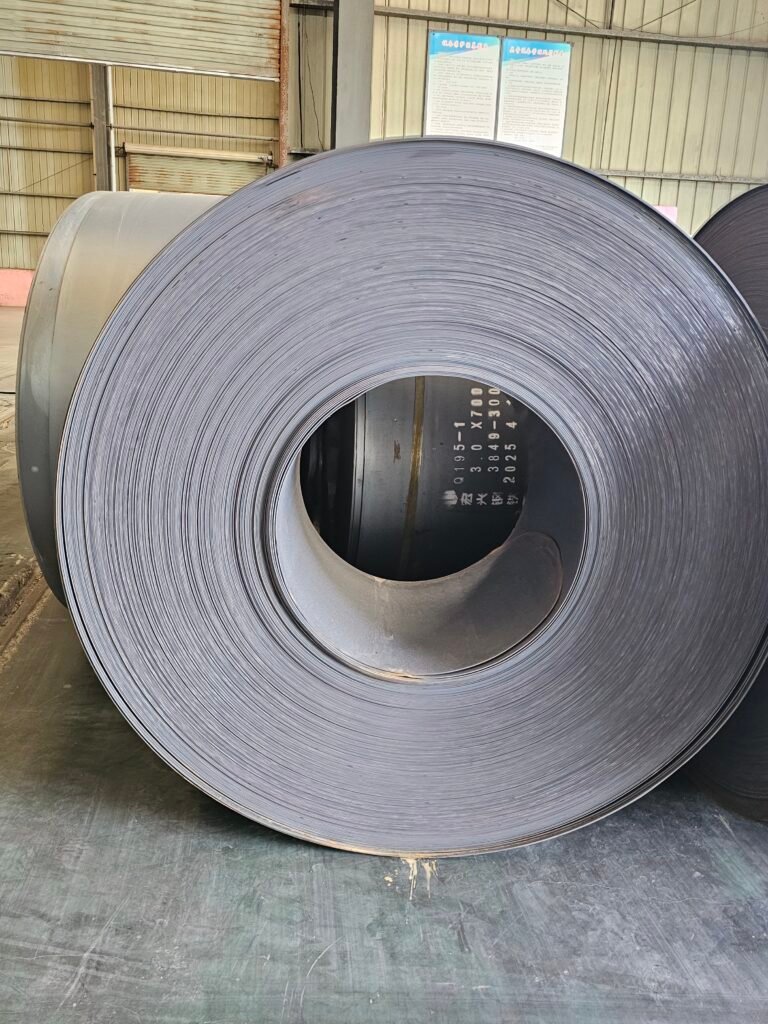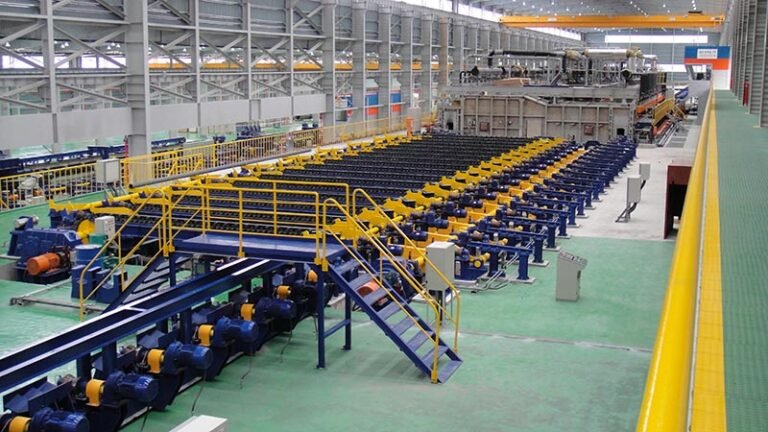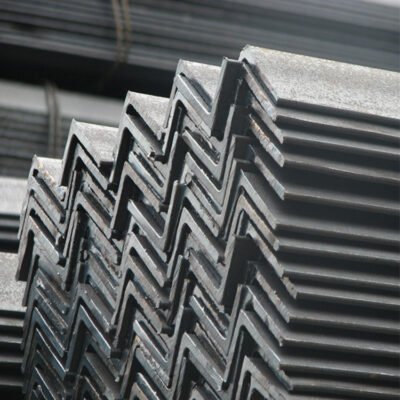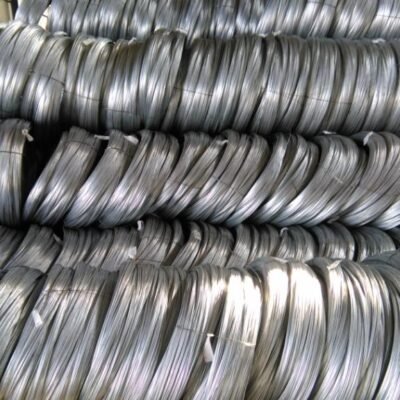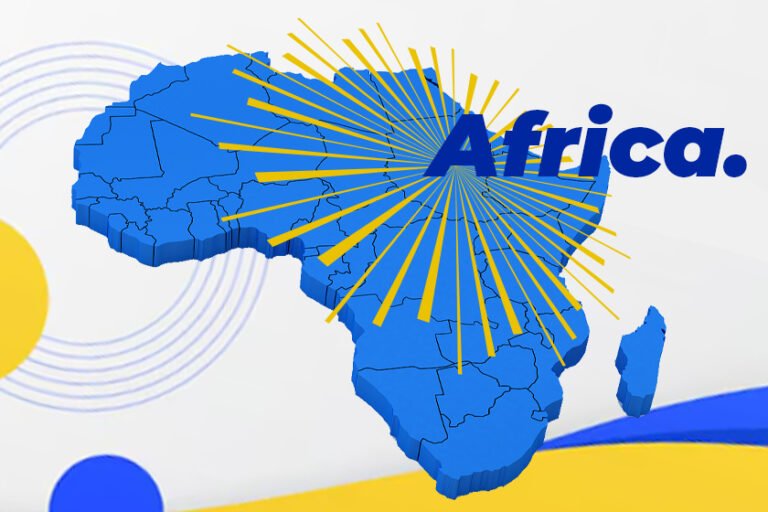
Africa is rapidly emerging as a significant growth market in the global steel industry, driven by infrastructure development, industrialization, and demographic advantages.
The African steel market is undergoing a remarkable transformation. According to the World Steel Association, while Africa’s six major steel-producing countries had a combined output of 22.3 million tons in 2024, the continent’s overall steel production reached approximately 39.49 million tons in 2023, with projections indicating growth to 51.86 million tons by 2032, representing a compound annual growth rate of 3.10% .
This growth is fueled by massive infrastructure projects, rapid urbanization, and strategic investments from both local and international companies, particularly Chinese enterprises participating in Belt and Road Initiative projects. Africa’s steel industry, though historically underdeveloped, is now poised to become a significant player in the global market, leveraging its rich natural resources, young population, and increasing integration into global supply chains .
1. Regional Market Patterns: Diverse Development Across the Continent
Africa’s steel industry displays significant regional variations, with different areas following distinct development models based on their resources, policies, and historical foundations .
North Africa leads in production capacity, with Egypt being Africa’s largest steel producer and consumer. In 2024, Egypt ranked 19th globally with a production of 10.7 million tons, though it faces challenges of overcapacity in general steel products while still requiring imports of high-grade and specialty steels .
Algeria has taken a different approach, leveraging its Mediterranean location and abundant oil and gas resources to attract foreign investment from companies like Turkey’s Tosyali and Qatar Steel, building a complete production system from direct reduction iron to steelmaking and rolling, with capacity exceeding 6 million tons .
Sub-Saharan Africa presents a different picture, relying on endogenous demand rather than geographical or resource advantages. Nigeria’s president has set an ambitious target of reaching 10 million tons of annual steel production by 2030. The country hosts dozens of small and medium-sized steel enterprises, with KAM Steel Integrated Company being the largest local producer with an annual crude steel capacity of 600,000 tons .
Table: Africa’s Major Steel Producing Countries and Projects
| Country/Region | Production/Capacity | Key Players | Recent Developments |
|---|---|---|---|
| Egypt | 10.7 million tons (2024) | Ezz Steel, Suez Steel | New 800,000-ton heavy section rolling mill launched |
| Algeria | 4.7 million tons (2024) | Tosyali, Qatar Steel | Complete production system with 6+ million tons capacity |
| Nigeria | Target: 10 million tons by 2030 | KAM Steel, Hongxing Zhongyuan | Multiple small and medium-sized enterprises operating |
| South Africa | Among top producers in Africa | ArcelorMittal, Kumba Iron Ore | Facing energy and infrastructure challenges |
| Ethiopia | 16+ steel enterprises | Oriental Steel Company | First steel plant built in 2012, ending no rebar production history |
East Africa shows promising growth, with Ethiopia hosting over 16 steel enterprises. The country’s first steel plant was established in 2012 by Chinese investors, ending Ethiopia’s history of not being able to produce rebar. Additionally, a 200,000-ton steel plant began operations in Ethiopia’s Oromia region in June 2022 .
Other significant developments include Cameroon recently commissioning a 300,000-ton long-product rolling line, and Namibia building a 1-million-ton long-product steel plant in 2023. Chinese company青山控股’s (Tsingshan Holding Group) 600,000-ton steel plant in Zimbabwe began operations in 2024, with plans for expansion to eventually reach 5 million tons capacity .
2. Market Drivers: Infrastructure, Industrialization and Population Dividend
Three key factors are driving growth in Africa’s steel market: infrastructure development, industrialization, and demographic advantages .
The infrastructure gap in Africa is substantial, with the African Development Bank estimating annual infrastructure investment needs at approximately $170 billion, covering transportation, energy, communications, and urban infrastructure. China has built 10,000 kilometers of railways, 100,000 kilometers of highways, and 120 million kilowatts of power generation capacity for African countries, significantly boosting steel demand .
Africa’s industrialization process is accelerating, aided by the African Continental Free Trade Area (AfCFTA) which is breaking down trade barriers between countries and promoting manufacturing development. Steel, as an essential raw material for manufacturing, is seeing increased demand as industrialization progresses .
The demographic dividend is another crucial driver. Africa has the world’s youngest population structure, and accelerating urbanization is increasing demand for steel in construction. Africa’s urbanization rate is 43%, expected to exceed 50% by 2050, meaning hundreds of millions of people will migrate to cities in the next 30 years, creating substantial demand for construction steel .
3. The Role of Chinese Enterprises: Strategic Investments and Localization
Chinese enterprises are playing an increasingly important role in Africa’s steel industry, with participation ranging from large state-owned enterprises to small and medium-sized private companies .
Large enterprises like Tsingshan Holding Group have built a 600,000-ton steel plant in Zimbabwe that began operations in 2024, with ongoing plans for a second-phase 600,000-ton expansion aiming for eventual capacity of 5 million tons. Xinxing Ductile Iron Pipes also put into operation a 250,000-ton ductile iron pipe project in Egypt’s Suez Industrial Park in December 2024 .
Small and medium-sized enterprises have been deeply engaged in Africa for many years. In 2017, a joint venture between China and Tanzania launched the Kiruba Steel Group with a 300,000-ton rebar production line. In 2014, Fujian Hongxing Zhongyuan invested in Nigeria to build a 600,000-1,000,000-ton bar project. These companies typically adopt product diversification strategies to meet diverse market needs .
The success of Chinese enterprises in Africa often hinges on localization strategies and establishing mutually beneficial partnerships. These companies often recruit technical personnel from China while also employing local workers, helping enhance Africa’s steel production capabilities. Many projects are located in Chinese-African cooperative industrial parks, combining equipment resources from China’s strong manufacturing base with local resources .
4. Green Steel Transformation: Sustainable Development Challenges and Opportunities
Like the global steel industry, Africa faces the challenge of transitioning to greener production methods, but also possesses unique advantages in this area .
Africa is known as the “sun continent” with nearly 40% of the world’s total solar power generation potential. The continent also has enough wind resources to meet its current electricity demands 250 times over, plus impressive hydropower potential with 90% still untapped—the largest unexploited capacity worldwide. These renewable resources position Africa favorably for green hydrogen production, essential for green steelmaking .
Several green steel initiatives are already underway across the continent. In Mauritania, several green steel projects are emerging, with the National Industrial and Mining Company (SNIM) signing a memorandum of understanding with ArcelorMittal in 2022 to build a 2.5-million-ton green pellet and direct reduction iron plant .
In Kenya, Abyssinian Iron and Steel Company, Spenomatic Group, and Empower New Energy collaborated on a 2.5MWp photovoltaic project for the Awasi Steel Plant, capable of generating 4.8GWh of clean electricity annually, reducing carbon emissions by 2,500 tons and lowering power costs .
However, significant challenges remain. Management consultant McKinsey & Company believes green steel is unlikely to be cost-competitive with traditional steel manufacturing backed by carbon capture and storage until 2050. A major hurdle is the high cost of green hydrogen production, which is essential for large-scale green steel manufacturing. Currently, less than 0.1% of hydrogen is produced using zero-emission electricity through electrolysis .
5. Challenges and Constraints
Despite promising prospects, the development of Africa’s steel market faces several significant challenges .
Inadequate infrastructure is a primary obstacle. Insufficient railway and port facilities hinder efficient transportation of raw materials and finished steel products. For example, Nigeria’s steel industry faces major challenges due to weak electricity and transportation infrastructure .
Technological and funding bottlenecks also constrain industry development. Steel production levels vary greatly across African countries, with some still using outdated equipment that limits product quality and output. Access to capital remains a significant barrier, restricting modernization and expansion in the sector .
Policy uncertainty and governance challenges also concern investors. The World Bank’s Worldwide Governance Indicators give the 54 African countries an average score of -0.7 on a scale from -2.5 (weak) to +2.5 (strong), compared to Australia’s positive average of +1.5. Better governance increases the likelihood of attracting investment .
Additionally, trade protectionism and differentiated trade policies, high tariffs, and bureaucratic practices further complicate operations and inhibit industry growth. While steel companies are implementing environmental regulations to reduce pollution and carbon emissions, upgrading equipment and technology remains urgent .
Outlook: A Market with Immense Potential
The future development of Africa’s steel market holds tremendous potential. The African steel market volume is expected to grow from 39.49 million tons in 2023 to 51.86 million tons by 2032, at a CAGR of 3.10% during the forecast period .
Regional economic integration will promote steel trade and investment. The African Continental Free Trade Area (AfCFTA) creates a market of 1.3 billion consumers and simplifies cross-border trade in raw materials and steel products .
Digital transformation will enhance the competitiveness of Africa’s steel industry. The application of advanced technologies such as artificial intelligence, IoT, and automation provides opportunities to improve productivity, efficiency, and global competitiveness in African steel manufacturing .
Green steel presents important opportunities for African steel producers. By investing in renewable energy and eco-friendly production processes, African steel companies can align with global sustainable development goals while enhancing their competitiveness in environmentally conscious markets .
Africa’s per capita steel consumption was only 24 kilograms in 2023, approximately one-tenth of the world average of 219 kilograms. As Africa develops and moves toward the global average, it will become an enormous and growing market for steel, which can be easily supplied with green steel made in Africa .
The African steel market is like a rising star, increasingly important in the global steel landscape. For visionary investors and enterprises, now represents a critical time to position themselves in Africa and participate in the rise of this promising market .