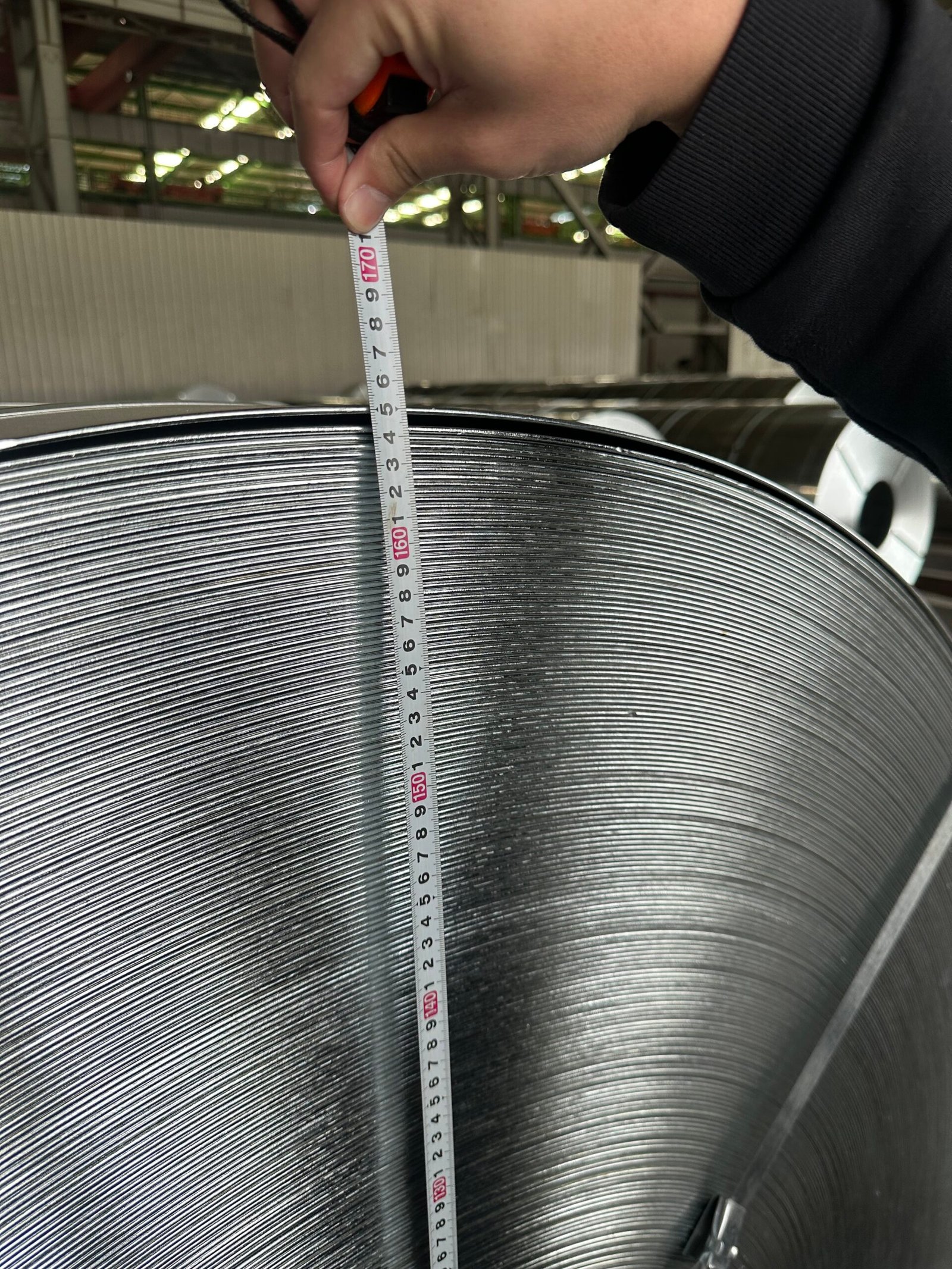
The global steel industry is transitioning from an integrated market to a multipolar regionalized system, with different regions exploring differentiated development paths based on their resource endowments and policy environments.
Currently, the global steel industry stands at a crossroads of change. According to World Steel Association data, the global crude steel capacity reached 2.517 billion tons in 2024, a net increase of 60 million tons compared to 2023 . The geographical distribution of production is undergoing a fundamental shift: the share of developed economies has shrunk from about 60% in 2000 to 20% today, while Asia’s share of global steel production has exceeded 70% .
This geographical restructuring is not only changing the spatial distribution of production and consumption but also driving the diversified development of technology routes, industrial policies, and competitive factors. As an industry practitioner, the author will analyze key trends in this transition period from the perspectives of regional landscape restructuring, technological route differentiation, and changes in the trade environment.
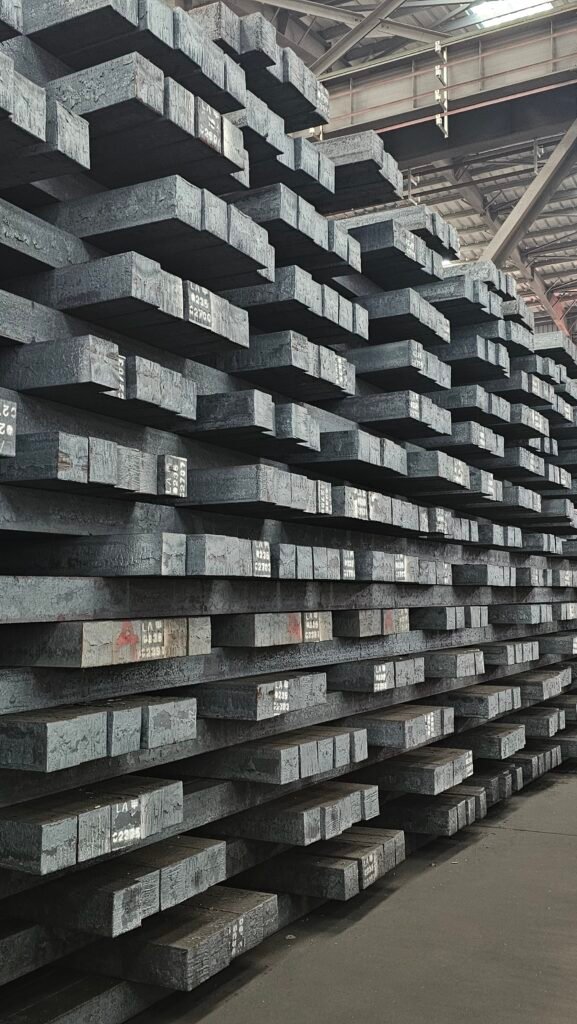
1. Reconstruction of the Global Production Layout: The Rise of Emerging Markets
The distribution of steel production capacity is undergoing profound changes. In 2024, global crude steel capacity increased to 2.5147 billion tons, a year-on-year increase of 0.63%, but the growth momentum mainly comes from emerging markets .
Strengthened Dominance of Asia: China’s crude steel production accounts for 53.4% of the global total, but the domestic demand structure is shifting from construction steel to manufacturing steel . India’s production reached 149 million tons, a year-on-year increase of 6%, with the goal of reaching 300 million tons of capacity by 2030 .
ASEAN as a New Growth Pole: In 2024, the steel demand of the six ASEAN countries reached a historical peak of 81.2 million tons, a year-on-year increase of 8% . Vietnam is expected to see its steel production reach 51 million tons by 2050, a 2.6-fold increase from 2022 levels .
Contraction and Transformation of Mature Markets: Japan’s steel demand has dropped from a peak of 90 million tons to the current 50 million tons. Companies are responding by phasing out inefficient capacity and developing high-value-added products . The EU, relying on its carbon pricing mechanism, is promoting a green transition but faces challenges from high energy costs .
Table: Characteristics of Major Regional Steel Markets in 2024
| Region | Demand Trend | Main Driving Factors | Challenges Faced |
|---|---|---|---|
| Asia (excl. China) | Rapid Growth | Foreign investment, urbanization | Overcapacity, import dependence |
| Europe | Stagnant or Declining | Carbon tariffs, green transition | High energy costs, declining competitiveness |
| North America | Slight Growth | Trade protectionism | Tariff barriers restricting exports |
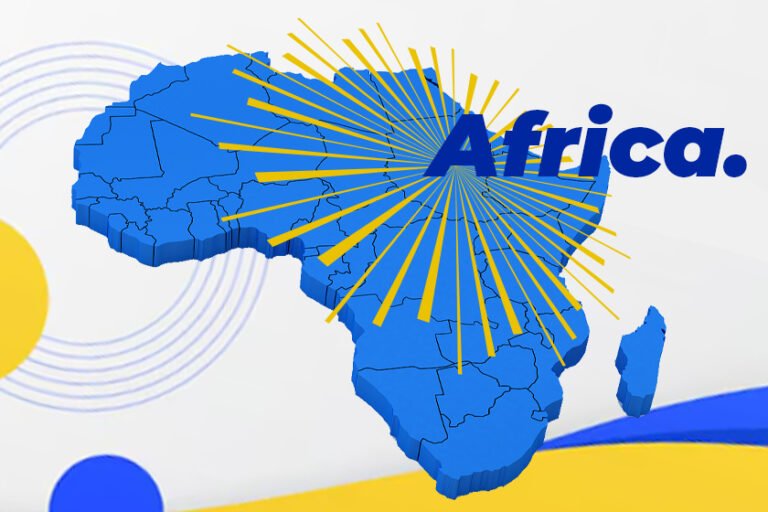
| Middle East/Africa | Emerging Growth | Abundant resources, young population | Insufficient infrastructure |
2. Changes in the Trade Environment: Rising Barriers and Reshaping Flows
The global steel trade landscape is being affected by both trade protectionism and carbon tariffs. In 2024, there were 47 trade remedy investigations targeting steel products globally, with over 60% involving Chinese enterprises .
Carbon Tariff Barriers: The EU’s Carbon Border Adjustment Mechanism (CBAM), scheduled for full implementation in 2026, will directly increase the cost of steel exports to Europe. Preliminary estimates suggest this will raise costs for China’s steel industry exports by 4%-6%, with annual certificate costs reaching 200−400 million .
Diversification of Trade Flows: China is strengthening trade links with Belt and Road Initiative countries, while the U.S. is importing more steel from Mexico and Canada . Imports account for over 60% of the total steel demand in the ASEAN region, causing local concerns .
3. Green and Low-Carbon Transition: Diversification of Technological Pathways
The low-carbon transition has become a “super trend” in the steel industry, affecting all other trends . Different regions are forming differentiated technological pathways based on their resource endowments.
Three Parallel Technological Paths: The future will see a pattern where three technological routes coexist: the Scrap-EAF route, the Natural Gas/Hydrogen-based DRI-EAF route, and the Green Blast Furnace-BOF route . By 2050, approximately 50% of global steel is still expected to be produced via blast furnaces .
Differentiated Regional Technology Choices: Regions rich in natural gas (e.g., the Middle East) will prioritize hydrogen-based DRI-EAF processes; regions with abundant scrap resources (China, Europe, and the U.S.) will focus on short-process electric arc furnaces .
Progress of China’s Green Transition: As of July 2025, 600 million tons of China’s crude steel capacity had completed ultra-low emission transformation throughout the entire process, with plans to cover 80% of capacity by the end of 2025 .
4. Adjustment of Corporate Strategies: From Scale to Differentiation
Faced with changes in the regional landscape, leading steel companies are actively adjusting their strategic layouts.
Internationalization Strategy: In 2024, 12% of Jianlong Group’s revenue came from the international market, with plans to increase this proportion to 30% by 2030 . Successful internationalization requires cooperation with excellent local enterprises, talent localization, and high-end, differentiated competition .
Product Structure Optimization: As the proportion of steel used in construction decreased from 63.74% in 2020 to 56.99% in 2024, the proportion used in manufacturing rose to 43.01% . Steel plants are proactively compressing construction steel capacity and increasing the proportion of manufacturing steel products .
Increase in Industry Concentration: The CR10 of China’s steel industry increased from 41.4% in 2021 to 42.0% in 2024, but this is still far below that of the United States (66.6%), Japan (86.0%), and South Korea (92.0%) . The industry is accelerating mergers and reorganizations through three modes: government promotion, market leadership, and equity cooperation .
Outlook: Regional Collaboration and Sustainable Development
The future development of the global steel industry will present four major trends: climate change, technological progress, socio-economic changes, and geopolitical evolution . Steel enterprises need to do three things well: become material solution providers, smart manufacturers, and builders of a carbon-neutral ecosystem .
Urban Type Determines Demand Differentiation: The World Steel Association has identified four archetypes of cities, from developed metropolises (annual steel consumption per capita about 700 kg, saturated) to developing dispersed cities (strong growth potential). Steel enterprises need to target the development of material solutions adapted to different city types .
Green and Low-Carbon Becomes Core Competitiveness: The steel industry plans to achieve about a 20% reduction in emissions by 2040 through the adoption of EAF short-process steelmaking and other cutting-edge carbon reduction technologies .
As industry practitioners, we believe the key to future competition lies in differentiated strategies adapted to regional characteristics—emerging markets need to capture the infrastructure window, while mature markets should focus on green premiums. Enterprises must transform from “material suppliers” to “solution providers,” building resilient supply chains through intelligentization and carbon-neutral ecosystems .
Note on Tables: The tables in the original text were represented in a simple text format. In a fully realized document, these would be properly formatted as visual tables with clear column headers and row separators for enhanced readability. The same applies to any suggested charts (e.g., a bar chart showing production by region from 2000 vs. today, or a pie chart for the global capacity share outlook for 2050 by technology route).