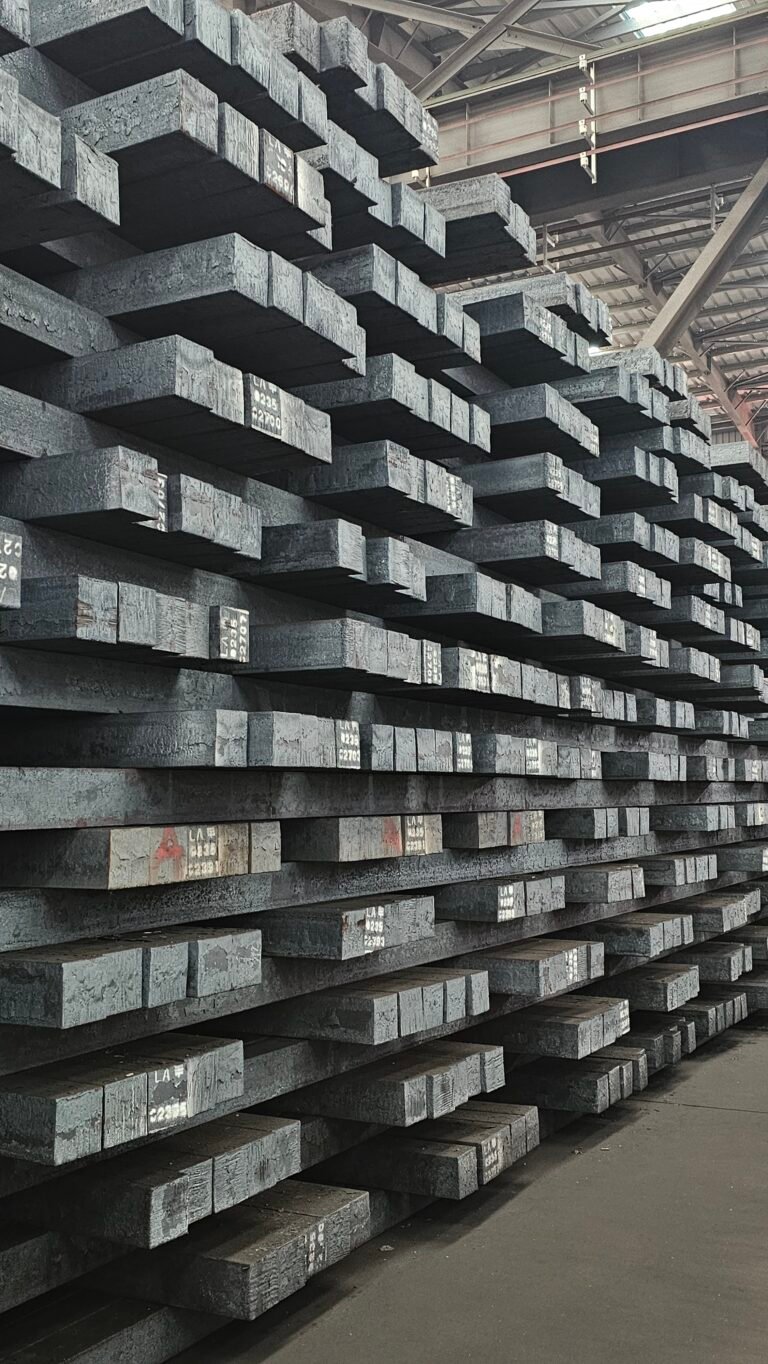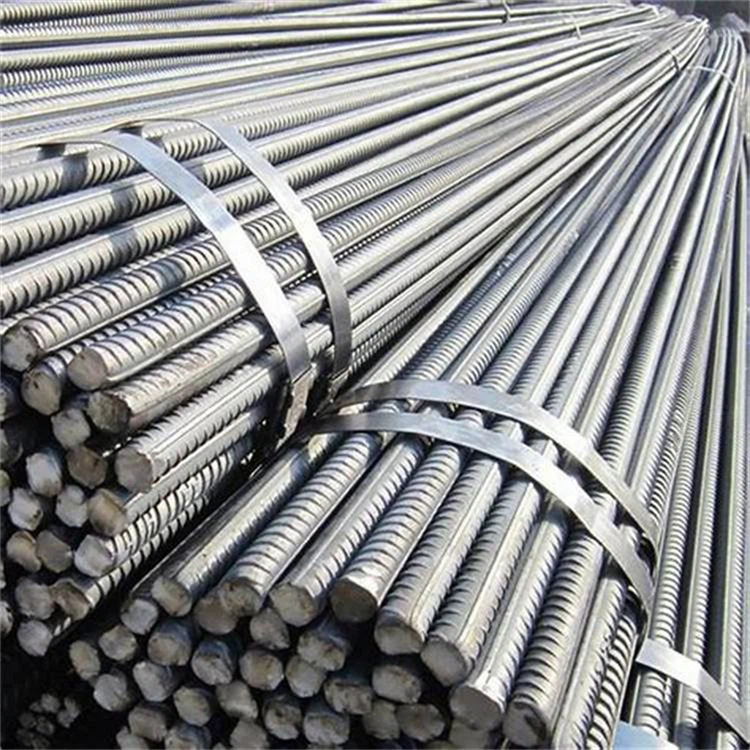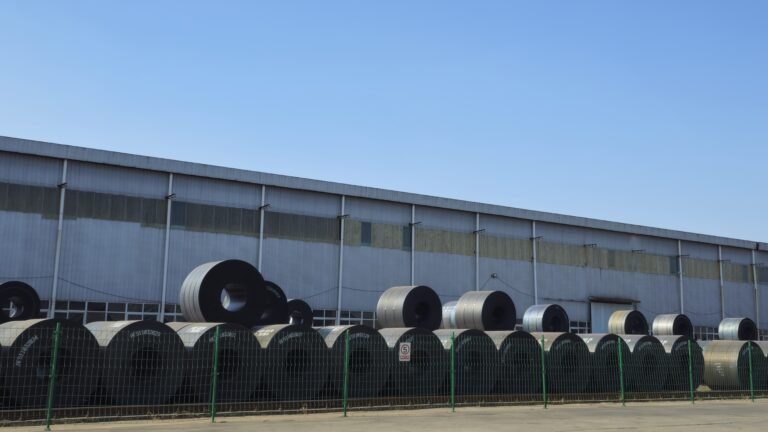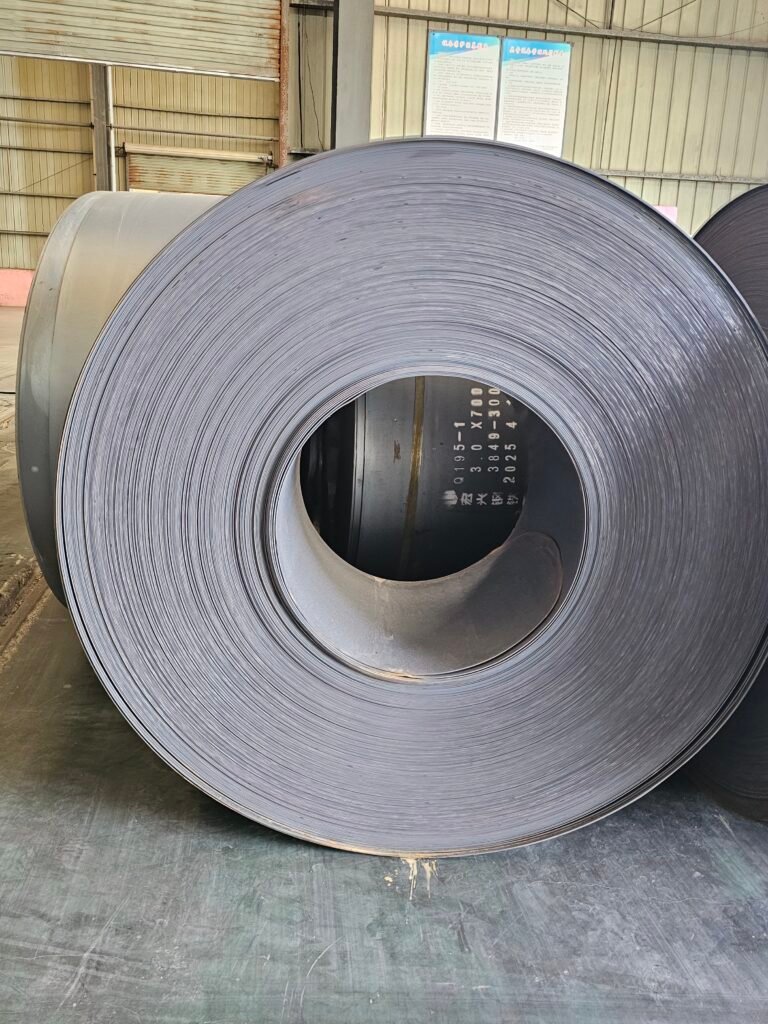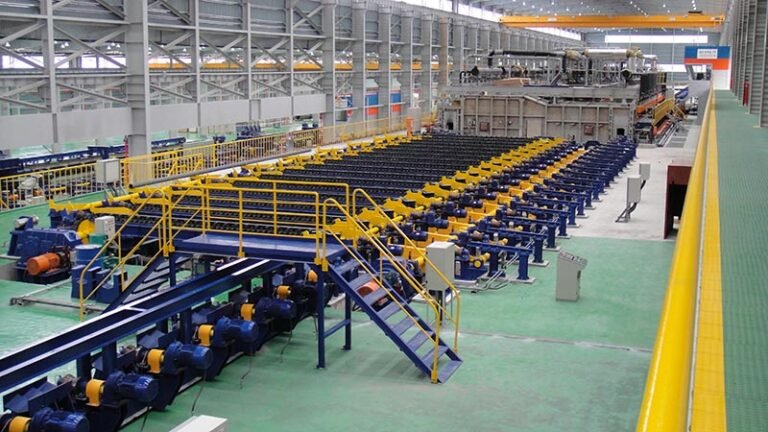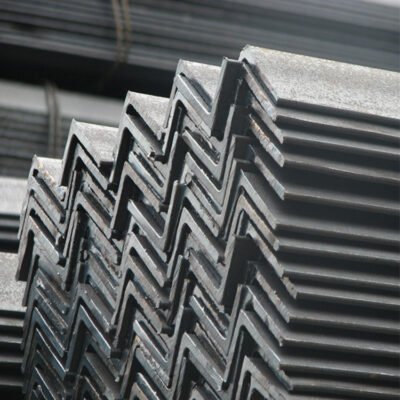
The global steel industry, responsible for approximately 8% of global CO₂ emissions, is navigating its most significant transformation in decades, balancing between regional realignments and urgent decarbonization goals.
The global steel industry stands at a crossroads in 2025. Faced with slowing demand in traditional markets, increasing trade barriers, and mounting pressure to decarbonize, steel producers worldwide are reevaluating their strategies. This article explores the key trends reshaping the global steel market and how industry players are adapting to this new era of uncertainty and transformation.
1. Evolving Demand Patterns: Regional Divergence Intensifies
Global steel demand has entered a phase of markedly slower growth with significant regional variations. While developed economies show saturated or declining steel consumption, emerging markets are becoming increasingly important demand drivers.
China’s role as the dominant market is evolving. Having accounted for over half of global production, China’s steel demand is showing signs of moderation, with its share of global demand projected to decline from 48.2% in 2025 to 47.2% in 2026. This moderation reflects China’s economic rebalancing and maturation, with domestic demand having likely passed its peak.
Meanwhile, emerging markets are picking up the growth baton. ASEAN nations present a particularly compelling growth story. In 2024, ASEAN steel demand reached a historical peak of 81.2 million tons, an 8% year-on-year increase, with Indonesia, Vietnam, and Philippines leading the regional growth.
- Turkey has emerged as a significant player, now ranking as the world’s eighth largest steel producer. The country’s crude steel capacity is expected to expand from current 60 million tons to 90 million tons by 2050, driven partly by reconstruction needs following the 2023 earthquake and ongoing infrastructure development.
- Japan tells a different story. Japanese steel demand has declined significantly from its peak of 90 million tons to approximately 50 million tons today, with this downward trend expected to continue as the country’s economic structure evolves.
The industry has moved from a mindset of perpetual expansion to one of quality over quantity, with producers increasingly competing on value rather than volume alone.
2. Green Transformation: Pathways to Decarbonization
Decarbonization represents arguably the most significant transformation in the steel industry’s modern history. Currently responsible for approximately 7-8% of global CO₂ emissions, the sector faces mounting pressure from regulators, investors, and customers to reduce its carbon footprint.
The World Steel Association outlines three emerging technological pathways for low-carbon steel production:
- Scrap-EAF route: Expanding in regions with abundant scrap resources
- Natural gas/hydrogen-DRI-EAF route: Transitioning from gas to green hydrogen
- Green BF-BOF route: Incorporating carbon capture and efficiency improvements
Despite emerging alternatives, traditional blast furnaces are expected to remain central to global steel production, projected to account for approximately 50% of output as late as 2050. This continuity highlights the significant challenge of decarbonizing existing assets with long operational lifespans.
The cost of transition remains a substantial barrier. China has invested approximately 300 billion yuan in ultra-low emission transformation, covering 600 million tons of crude steel capacity across 147 steel enterprises as of July 2025. These environmental investments have increased corporate funding needs while squeezing profitability.
3. Trade Realignments and Geopolitical Influences
The global steel trade landscape has become increasingly fragmented, reshaped by tariff barriers, environmental regulations, and strategic realignments.
The United States’ “Section 232” tariffs, which have raised import duties on steel to as high as 50% for some products, have significantly disrupted traditional trade flows. This has triggered similar measures by the EU, Canada, Turkey, and India, leading to a more regionalized trade environment.
China’s steel exports have shown a pattern of volume increases amid price competition. From 2023 to the first half of 2025, export volumes grew by 36.2%, 22.7%, and 9.2% respectively, while average export prices fell by 34.7%, 19.4%, and 10.3% during the same periods. This trend has triggered a surge in trade remedy cases, with 33 initiated against Chinese products in 2024 alone—equivalent to the total from the previous four years combined.
The resulting fragmentation of international markets is accelerating a broader shift toward regionalized supply chains, reversing decades of globalization. For businesses operating in this environment, success increasingly depends on nuanced local strategies rather than one-size-fits-all global approaches.
4. Corporate Strategy: From Volume to Value
Facing a “peak steel” environment in many markets, leading companies are fundamentally rethinking their business models and strategic priorities. The traditional volume-driven approach is giving way to strategies focused on specialization, differentiation, and value-added services.
Chinese steelmakers are increasing their R&D investment significantly. Companies like Jianlong Group have raised their R&D intensity from less than 2% to nearly 4% in recent years. This increased innovation focus has produced over 300 products that fill gaps in domestic and international markets.
Japanese steelmakers, facing similar demand contraction, have pursued high-value product specialization and capacity rationalization. Rather than competing on cost alone, they have focused on advanced grades for specialized applications in automotive, electronics, and other precision industries.
Digital transformation represents another critical strategic frontier. Chinese and Japanese steelmakers are collaborating on developing international standards for smart manufacturing. Companies are actively applying AI to optimize processes from blast furnace temperature control to production planning and logistics.
5. Future Outlook: Challenges and Opportunities
Looking toward 2026 and beyond, the global steel industry faces a complex landscape of challenges and opportunities. The World Steel Association projects that global steel demand will grow by approximately 1.3% in 2026 (including China), with growth reaching about 3.5% when excluding China.
Green steel is transitioning from a “concept product” to a “competitive shelf item.” Hebei Province issued China’s first local standard for green and low-carbon steel products, “Evaluation Guidelines for Green and Low-Carbon Steel Products,” in the first half of 2025. In July 2025, HBIS Group signed a 10,000-ton hydrogen-metallurgy green steel export order with the EU, setting a new record for China’s single green steel export.
Regional differentiation will continue to intensify. The developed world’s share of the global steel market has significantly shrunk, from about 60% in 2000 to 20% today. Meanwhile, emerging economies—particularly India, Southeast Asia, and Africa—are becoming increasingly important demand drivers. Africa is expected to emerge as a new growth frontier in the coming decades.
Despite the challenges, the industry’s fundamental importance to economic development and infrastructure ensures continued relevance. The companies that thrive will be those that recognize that sustainable steel is not just an environmental imperative but the foundation of long-term competitiveness in a carbon-constrained world.
Conclusion
The global steel industry is undergoing a period of unprecedented change, marked by regional demand shifts, trade realignments, and an urgent decarbonization imperative. While the path forward is complex, the industry’s fundamental importance to economic development ensures it will remain a critical component of the global industrial landscape.
Success in the coming years will require steel producers to be agile, innovative, and collaborative. The companies that thrive will be those that can successfully navigate the competing pressures of cost competitiveness, environmental responsibility, and evolving market demands.
Despite the challenges, the industry’s ongoing transformation presents opportunities to build a more sustainable, efficient, and resilient steel sector for the 21st century. As the World Steel Association’s Edwin Basson concludes, the transformation will be challenging, but it also offers the opportunity to reinvent one of humanity’s most essential industries for a sustainable future.