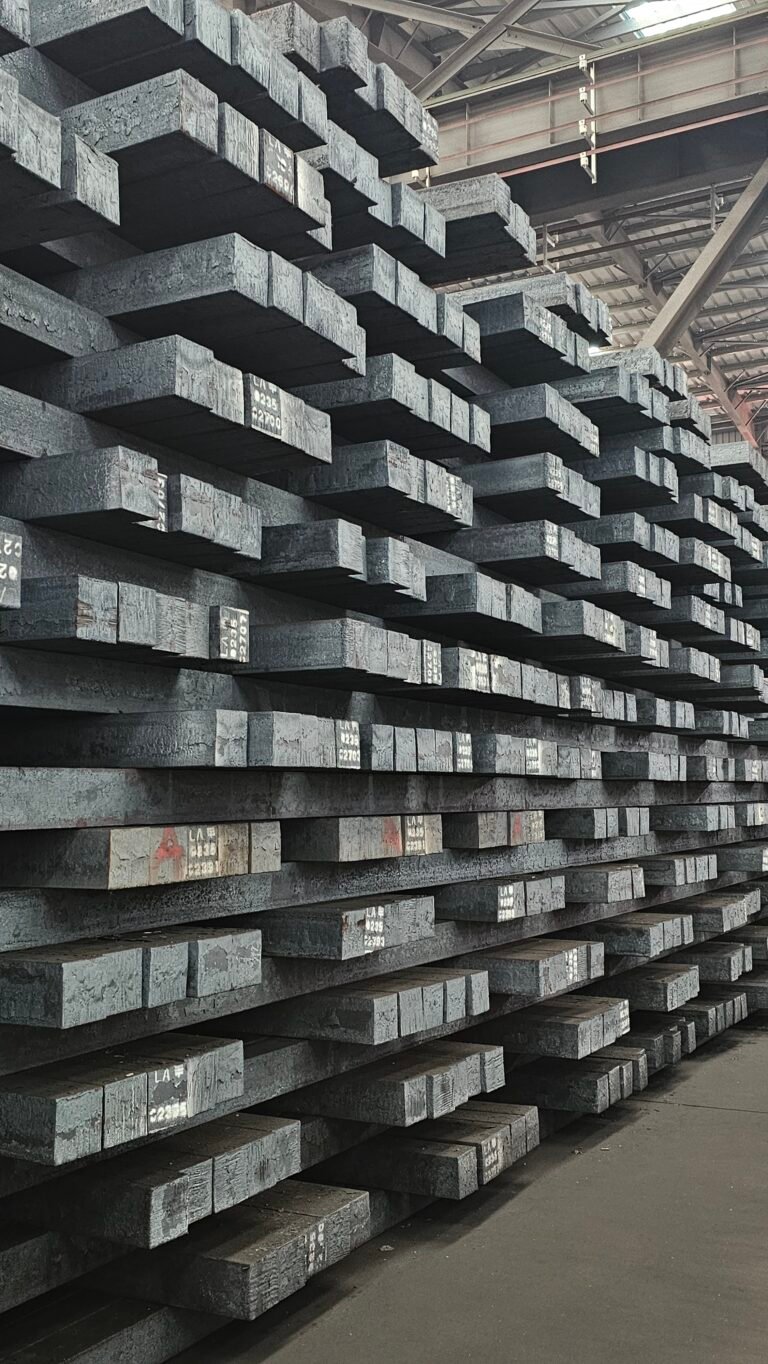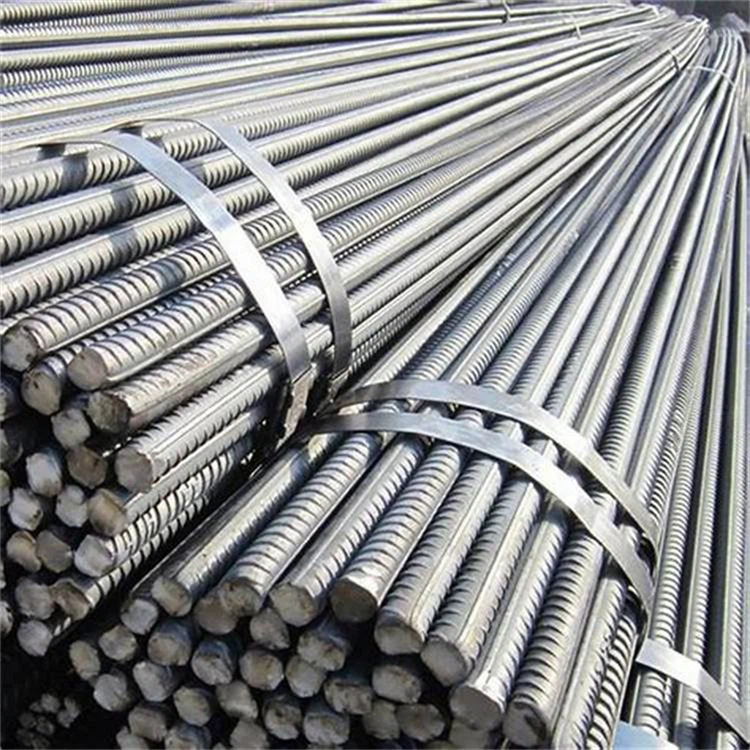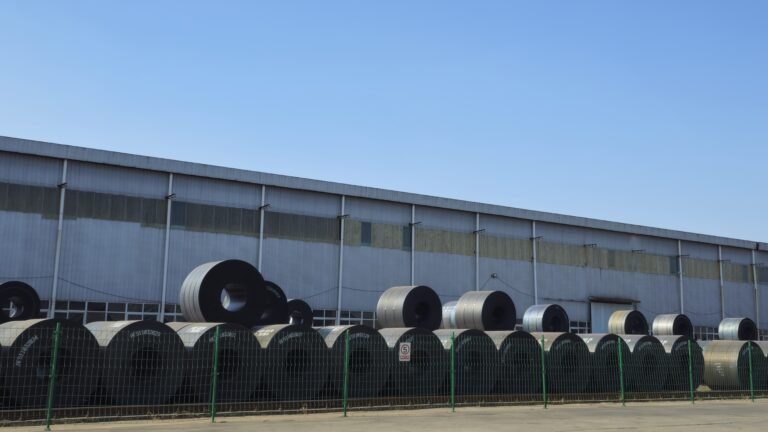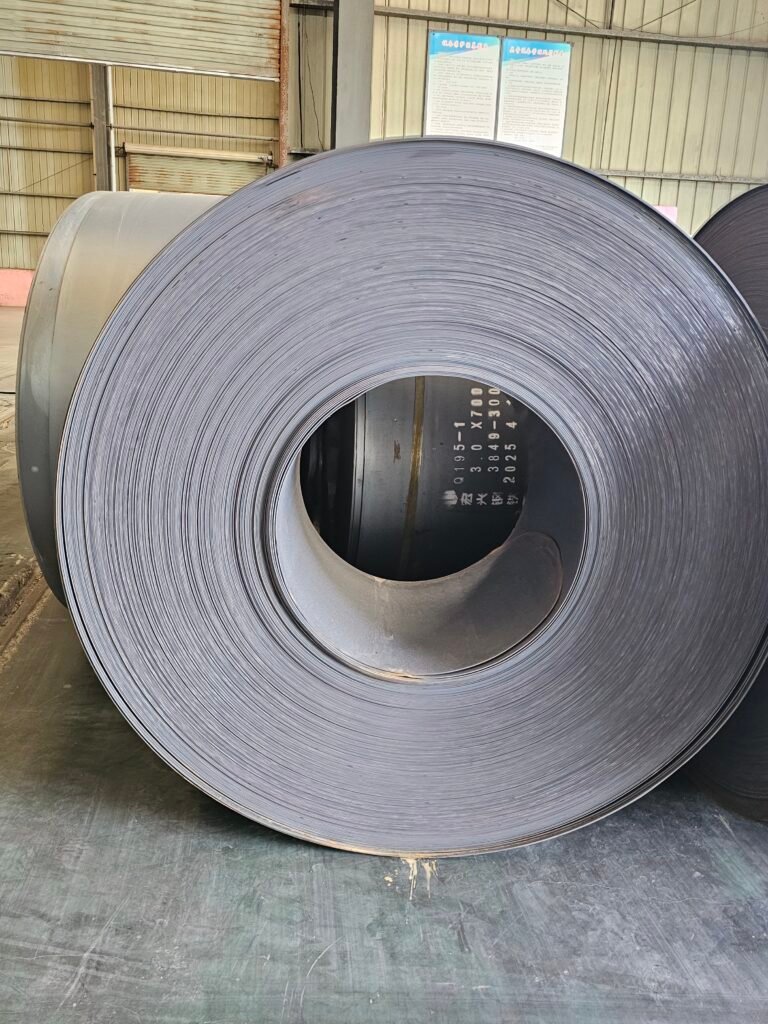
From subsea tunnels stretching hundreds of meters deep to skyscrapers piercing the clouds, from high-speed trains to precision medical devices, steel serves as the skeleton of modern civilization, continuously evolving to support human progress and development.
As the most produced and widely used metal material globally, steel is not only a key indicator of a nation’s industrial strength but also an indispensable core material for modern infrastructure. In 2022, global crude steel production reached 1.885 billion tons, with China contributing 1.018 billion tons—accounting for 54% of the world’s total output, exceeding the combined production of all other countries. How has this silvery-white metal become the cornerstone of modern society, and what transformations has China’s steel industry undergone? This article provides an in-depth exploration of the world of steel.
The Basics of Steel: The Transformation from Iron to Steel
Steel is fundamentally an iron-carbon alloy, with a carbon content ranging between 0.04% and 2.3%. This proportion, though seemingly small, determines the material’s properties—the higher the carbon content, the greater the strength and hardness of the steel, but its plasticity correspondingly decreases .
Iron is the fourth most abundant element in the Earth’s crust, comprising about 4.75%. However, humans discovered and utilized iron later than gold or copper, primarily because native metallic iron is very rare on Earth, easily oxidizes and rusts, and has a high melting point (1535°C). Early iron artifacts were often made from meteoritic iron until around 2000 BC, when the Hittites in Asia Minor first mastered iron smelting technology. In China, iron smelting became widespread during the Spring and Autumn and Warring States periods .
The term ”ferrous metal” is often misunderstood, as pure iron is actually silvery-white. It earned the name because iron surfaces are often covered with a black mixture of magnetite (Fe₃O₄) and brown iron oxide, giving it a black appearance. Ferrous metals mainly include iron, chromium, manganese, and their alloys, with their production accounting for about 95% of the world’s total metal output .
Table: Classification of Steel by Carbon Content and Alloying Elements
| Basis of Classification | Type | Characteristics and Uses |
|---|---|---|
| By Carbon Content | Low-carbon steel (C ≤ 0.25%) | Good plasticity, often used in building structures |
| Medium-carbon steel (0.25% < C < 0.60%) | Balanced strength and plasticity, for mechanical parts | |
| High-carbon steel (0.60% ≤ C ≤ 2.11%) | High hardness, for tool manufacturing | |
| By Alloying Elements | Carbon steel | Primarily uses carbon as the main alloying element |
| Low-alloy steel (alloying elements ≤ 5%) | Good weldability and toughness | |
| High-alloy steel (alloying elements > 10%) | Special properties, such as stainless steel |

The Rise and Current State of China’s Steel Industry
The development of China’s steel industry is a history of struggle, growing from nothing to strength. In 1949, China’s annual steel output was a mere 158,000 tons. By 1996, China’s steel production had leapt to first place in the world . Today, China not only possesses the world’s most complete steel industrial system but also holds seven spots among the global top ten steel groups, with China Baowu Steel Group being the only group globally with an output exceeding 100 million tons .
The geographical layout of China’s steel industry is highly concentrated. Hebei, Jiangsu, and Shandong are the primary steel-producing regions. As an industry saying goes: “China’s steel production ranks first in the world (excluding Hebei province), Hebei province ranks second (excluding Tangshan city), and Tangshan city ranks third.”
Despite its dominant output, China’s steel industry faces two major challenges:
The first is the technology bottleneck. In the high-end special steel sector, Japan accounts for 20% of global special steel production, while China is in the single digits. Many high-end special steels, such as those used for high-speed rail bullets, aerospace, and military weapons, still rely on imports .
The second is resource constraints. China’s iron ore resources are “plentiful but not rich,” consisting mainly of low and medium-grade ores, with high-grade ore reserves accounting for only 1.8%. The average iron content of the ore is low, making mining difficult and costly. More critically, China’s iron ore resources are unevenly distributed and difficult to mine intensively over the long term. Consequently, China relies on imports for 90% of its iron ore annually, with import costs exceeding $100 billion per year .
Two Main Steel Production Processes
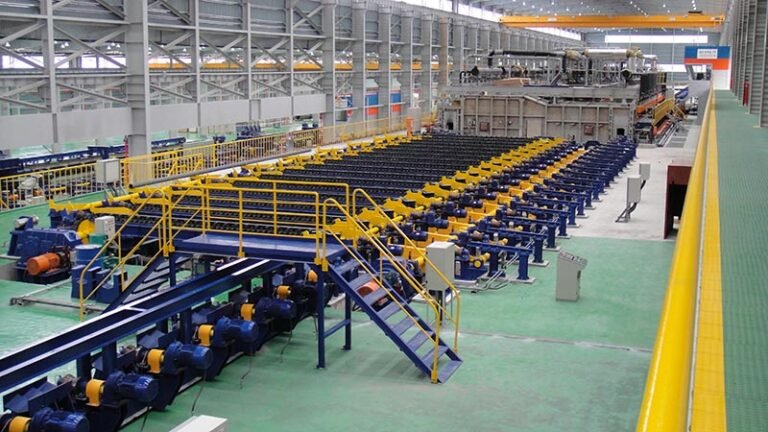
Modern steel production primarily employs two process routes: the long process and the short process.
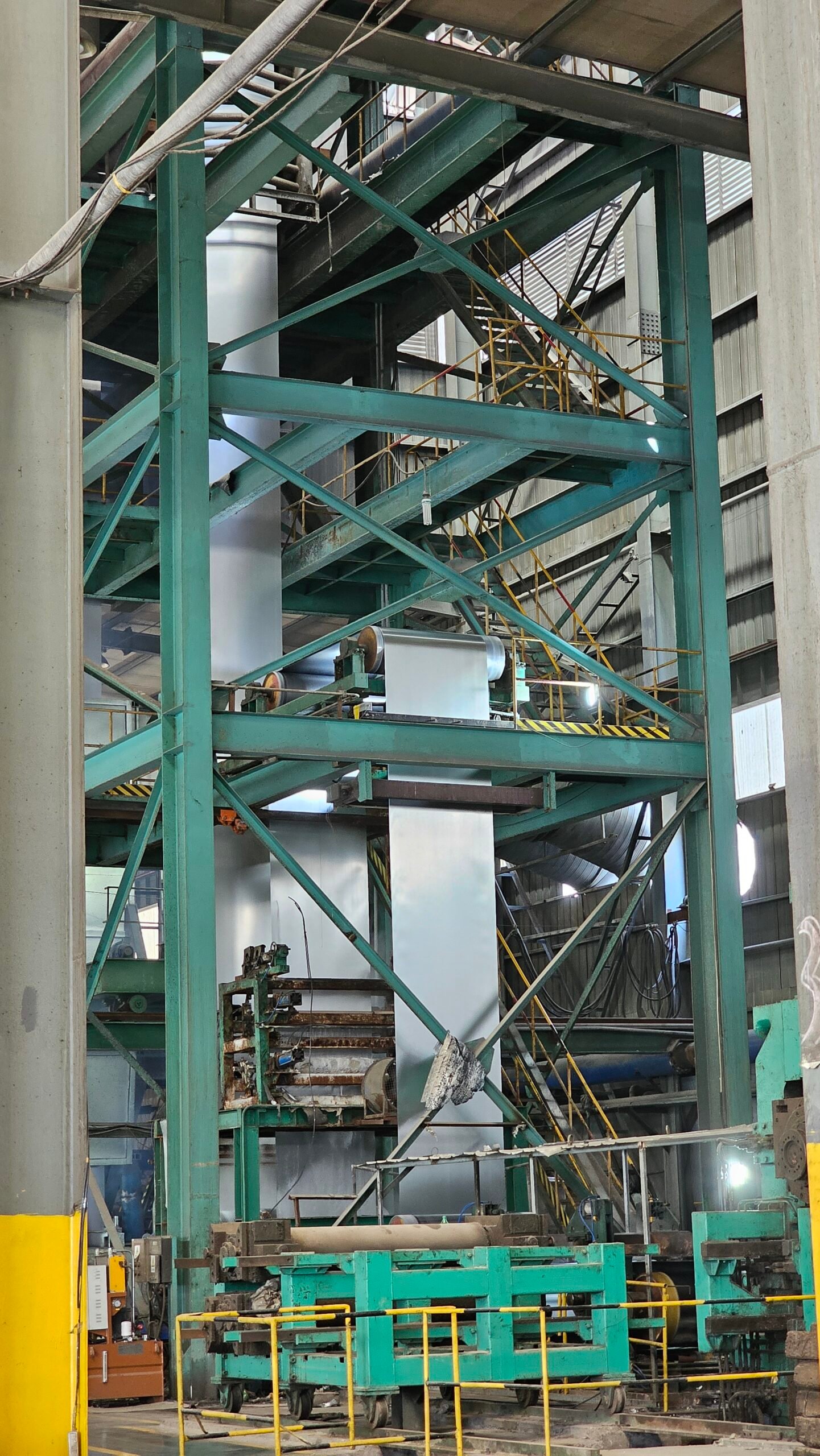
The Blast Furnace – Basic Oxygen Furnace (BF-BOF) long process uses iron ore as the main raw material, going through coking, sintering, and blast furnace ironmaking before final steelmaking in the BOF. This traditional process accounts for about 90% of China’s crude steel production, but its carbon emission per ton of steel is as high as approximately 1.8 tons, with over 70% of that coming from the ironmaking process .
The Electric Arc Furnace (EAF) short process uses scrap steel as the main raw material, melting it into molten steel using an electric arc furnace. This method omits the polluting and energy-intensive front-end processes of the long route, resulting in carbon emissions of only 0.36 tons per ton of steel, reducing emissions by about 1.5 tons per ton compared to the long process . However, EAF steel currently accounts for only about 9% of China’s total crude steel production, far below the levels in the United States (62%) and the European Union (40%) .
To promote a green, low-carbon transition, China plans to increase the proportion of EAF steel production to 15% by the end of 2025. EAF steelmaking not only saves energy and reduces carbon emissions but also offers advantages like flexible production organization and strong adaptability to raw materials, allowing it to flexibly use different types of scrap steel .

Applications of Steel: From Landmark Buildings to Daily Life
The use of steel permeates almost every corner of modern society. The construction industry is the largest consumer of steel, with the amount of steel consumed annually in China’s construction sector equivalent to the total steel production of Japan and the United States combined .
Landmark buildings fully demonstrate steel’s supporting role. The Beijing National Stadium (“Bird’s Nest”) used 110,000 tons of steel, with its independently innovated steel offering good seismic resistance, low-temperature resistance, and weldability, designed for a 100-year service life. The terminal building of Beijing Daxing International Airport used about 130,000 tons of steel structure, with the total length of steel pipes being nearly 500 kilometers, enough to circle Beijing’s Fifth Ring Road five times .
In the machinery manufacturing and automotive industries, steel is equally indispensable. The machinery sector is the second-largest consumer of steel after construction, and the automotive manufacturing industry is the third-largest source of steel demand. Statistics show that steel accounts for 72%-88% of the raw materials used to produce a car. In 2020, China’s automotive industry consumed 52.5 million tons of steel .
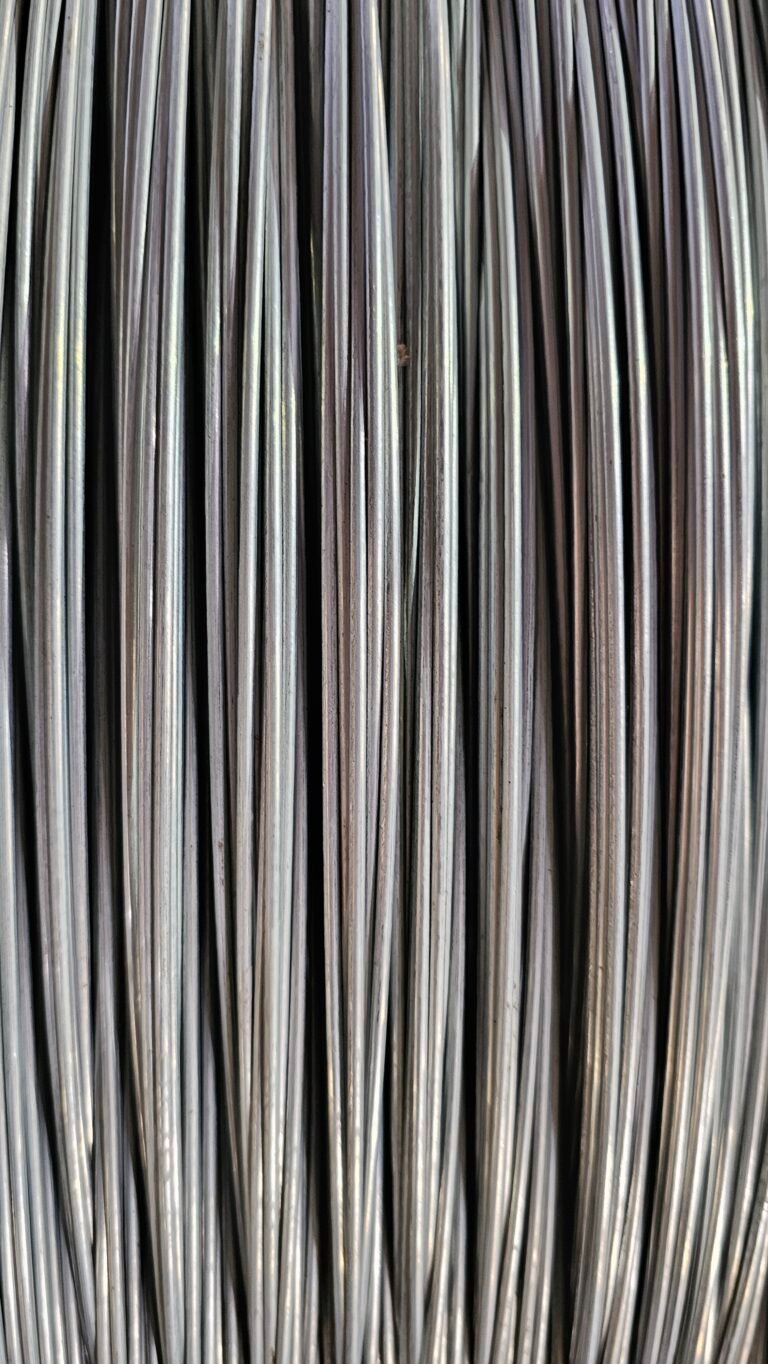
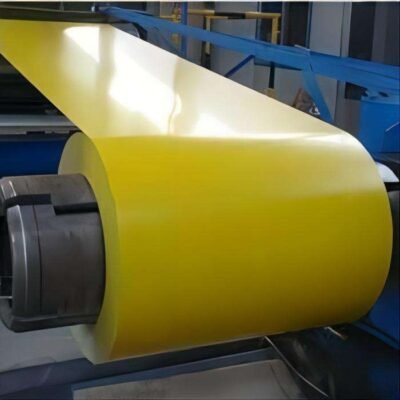
In recent years, steel has also shown wide application in emerging fields. Zinc-aluminum-magnesium coated steel plates produced by Baotou Steel have become a “new favorite” in the photovoltaic market due to their excellent corrosion resistance, formability, and self-healing properties at cut edges, supporting projects like the “Photovoltaic Great Wall” in Kubuqi Desert, Inner Mongolia. The 2060 MPa cable wire steel developed by Xingcheng Special Steel can lift three cars with a single strand and is used in super projects like the Shenzhen-Zhongshan Bridge .
Green Transformation: The Path to Sustainable Development for the Steel Industry
The steel industry is the largest carbon-emitting manufacturing sector in China, accounting for about 15% of the country’s total carbon emissions. Facing the carbon neutrality goal, Chinese steel companies are advancing green transformation through multiple pathways .
The short-process EAF route is one of the most effective ways for the steel industry to reduce CO₂ emissions. This process primarily uses scrap steel, eliminating the highly polluting coking, sintering, and blast furnace ironmaking processes. Taking HBIS Group’s Shijiazhuang Steel new plant as an example, after adopting the short process, comprehensive energy consumption per ton of steel was reduced by 62%, water consumption per ton of steel was reduced by 46%, and major pollutants were reduced by 75% .
Direct rolling process is another important innovation. Through direct rolling of high-temperature billets, eliminating the need for secondary heating of the billets, Changzhi Steel of Shougang Group reduced gas consumption by 45 cubic meters per ton of steel, reducing CO₂ emissions by 0.1 tons per ton, creating annual benefits of over 30 million yuan. From January to September 2025, Changzhi Steel achieved the target of 85,000 tons of direct rolling for four consecutive months, refreshing historical records in several indicators .
Steel companies are also achieving efficient resource utilization through circular economy models. Yonggang Group invested 650 million yuan to build a circular economy industrial park to resourceize solid wastes like steel slag and metallurgical dust. Within the plant, water resource reuse rate exceeds 99%, achieving zero wastewater discharge .
In the logistics sector, digital transformation also helps reduce emissions. The Pangmao Logistics platform uses intelligent order matching to reduce the average vehicle waiting time from 24 hours to 15 hours, increasing vehicle utilization by 12% and reducing carbon emissions by nearly 8% .

Intelligent and High-End: The Future Direction of the Steel Industry
Facing rising labor costs and environmental pressures, China’s steel industry is accelerating intelligent transformation. Baowu Group’s Baoliandeng Steel Industry Large Model is the first fully integrated AI solution in the steel industry, covering 18 core business areas including blast furnace diagnosis, steelmaking optimization, and equipment maintenance, with key process coverage exceeding 85% .
In February 2025, Baowu launched the “2526” project, elevating “AI Redefining Steel” to a corporate strategy. Baosteel has set a goal to build 1,000 “AI+” applications and has currently completed over 200 “AI + Steel” scenario applications .
Intelligent applications like 3D visual simulation technology and big data models are gradually expanding in steel companies. According to data from the China Iron and Steel Association, 79.6% of enterprises utilize industrial internet technology for intelligent production process control and management, and 57.1% for smart enterprise operations management .
In product high-end development, Chinese steel companies are striving to increase value-added. Growing demand for steel from wind power, photovoltaic, hydrogen energy, and other new energy industries, along with the rapid development of new energy vehicles, presents new opportunities for the steel industry. High-end products like the 2060 MPa cable wire steel developed by Xingcheng Special Steel mark China’s shift from “quantitative growth” to “qualitative improvement” in steel .
Conclusion: The Future and Challenges of Steel
As the cheapest metal (price is about 1/12 of copper and about 1/1000 of silver), steel’s cost-performance advantage remains difficult to replace in the foreseeable future. With technological advancements, the steel industry is moving towards a greener, smarter, and more efficient direction .
China’s steel industry has successfully solved the quantitative problems of “availability” and “sufficiency.” The next key step is to solve the problem of “quality” . Through low-carbon leadership, intelligent leadership, and innovation leadership, China’s steel industry is expected to play a leading role in the global industry’s low-carbon green transformation.
As Yu Yong, Chairman of HBIS Group, stated: “If China’s steel industry, which has created a miracle in the development of the human steel industry, can act according to the situation, seize opportunities, and lead the global industry’s low-carbon green transformation, it will make an irreplaceable contribution to the progress of human civilization.”
On the transformation path from a traditional “black” industry to green and intelligent manufacturing, steel, this ancient yet modern material, will continue to support the progress of human civilization with its innovative forms and sustainable concepts, towards a better future.