The Ever-Evolving World of Steel: Industry Innovations and Sustainable Future
Steel is more than just a metal—it’s the backbone of modern civilization, quietly shaping our world from the tallest skyscrapers to the smallest medical instruments.

Introduction: The Ubiquitous Alloy
Steel, an alloy primarily composed of iron and carbon, stands as a cornerstone of industrial progress worldwide. Its unparalleled strength, durability, and versatility make it indispensable across countless sectors, from construction and transportation to energy and manufacturing .
The global steel industry has undergone remarkable transformations since its inception, evolving through technological revolutions to meet the changing demands of society while addressing pressing environmental concerns. This article explores steel’s fascinating journey, current applications, and the innovative technologies shaping its future.
A Brief History of Steel Production
The history of steel dates back to 1800 BCE with early iron smelting techniques, but it was the Industrial Revolution that catalyzed its mass production. The introduction of the Bessemer process in the 1850s revolutionized steel manufacturing, enabling stronger railways and machinery that powered industrial expansion .
The 20th century brought further innovations with electric arc furnaces (EAFs), which significantly boosted recycling capabilities and opened new possibilities for sustainable production . This evolution from traditional methods to advanced manufacturing reflects the industry’s continuous pursuit of efficiency and quality.
Key Historical Milestones:
- 1800 BCE: Early evidence of iron smelting
- 1850s: Bessemer process enables mass production
- 20th century: Electric arc furnaces improve recycling capabilities
- Present: Green technologies transform manufacturing

Modern Steel Production Methods
Today’s steel production primarily relies on two sophisticated methods, each with distinct advantages and applications .
1. Blast Furnace-Basic Oxygen Furnace (BF-BOF)
This traditional method produces approximately 70% of global steel output. It processes iron ore, coke, and limestone in a blast furnace to create molten iron, which is then refined into steel by reducing its carbon content in a basic oxygen furnace .
2. Electric Arc Furnace (EAF)
Accounting for about 30% of production, EAFs melt recycled scrap steel using electricity. This method is significantly more energy-efficient than BF-BOF and supports circular economies by utilizing scrap metal . The growing emphasis on sustainability has made EAF technology increasingly important in modern steel production.
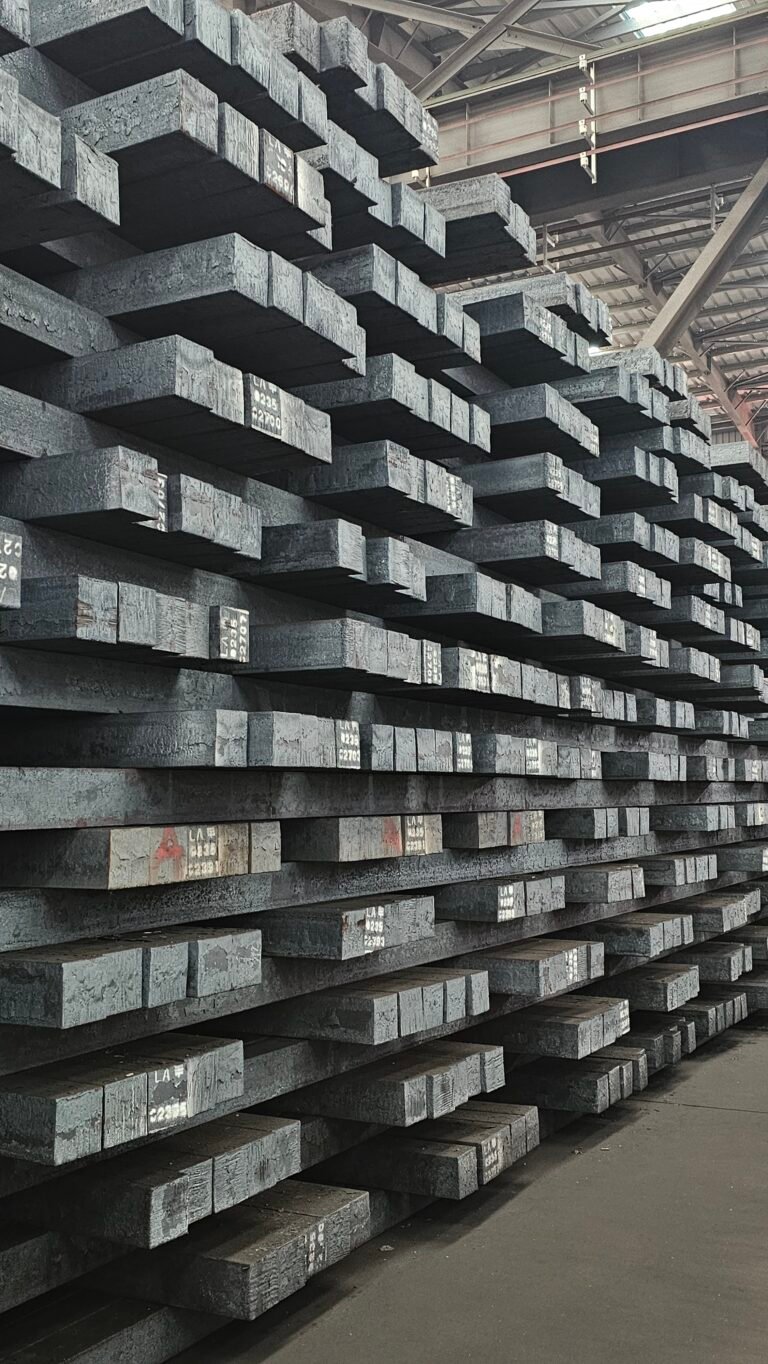
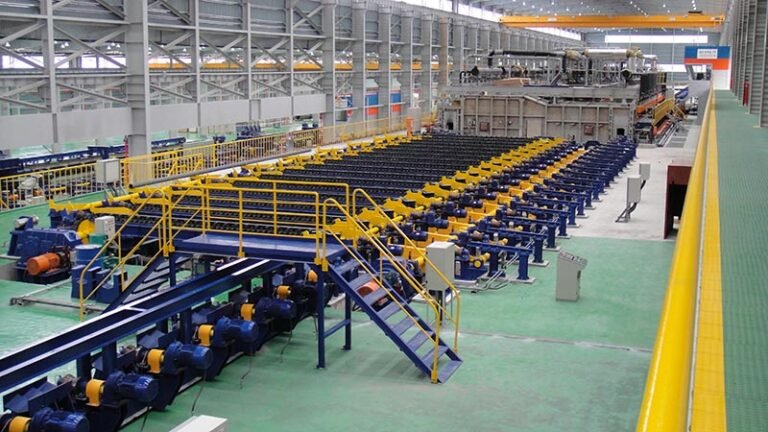
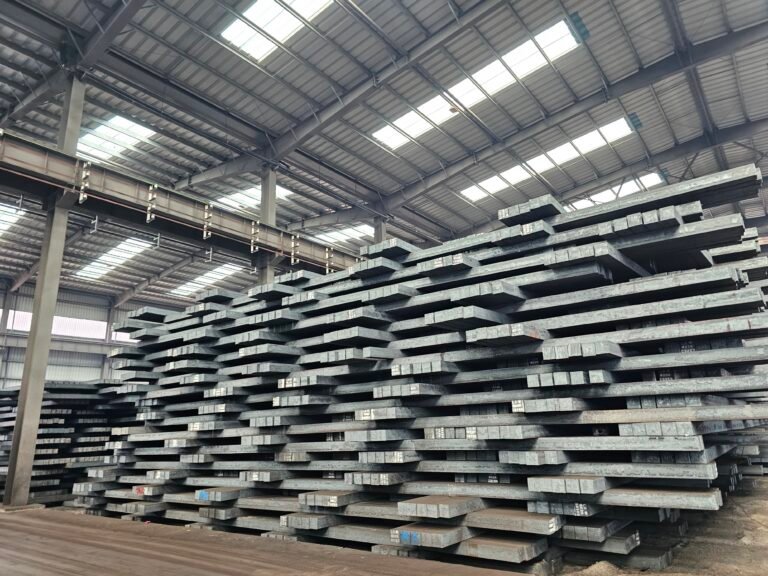
Advanced techniques like continuous casting and automation have further enhanced precision in steel manufacturing while reducing waste and emissions . Continuous casting transforms molten steel directly into solid shapes like billets, blooms, or slabs, eliminating the need for intermediate processes and improving product quality through controlled cooling rates .
Table: Comparison of Modern Steel Production Methods
| Production Method | Raw Materials | Energy Source | Global Share | Key Advantage |
|---|---|---|---|---|
| BF-BOF | Iron ore, coke, limestone | Fossil fuels | ~70% | High volume production |
| EAF | Recycled scrap steel | Electricity | ~30% | Energy efficient, sustainable |
Types of Steel and Their Applications
Steel’s remarkable versatility stems from its ability to be engineered with specific properties through careful composition adjustments .
Carbon Steel
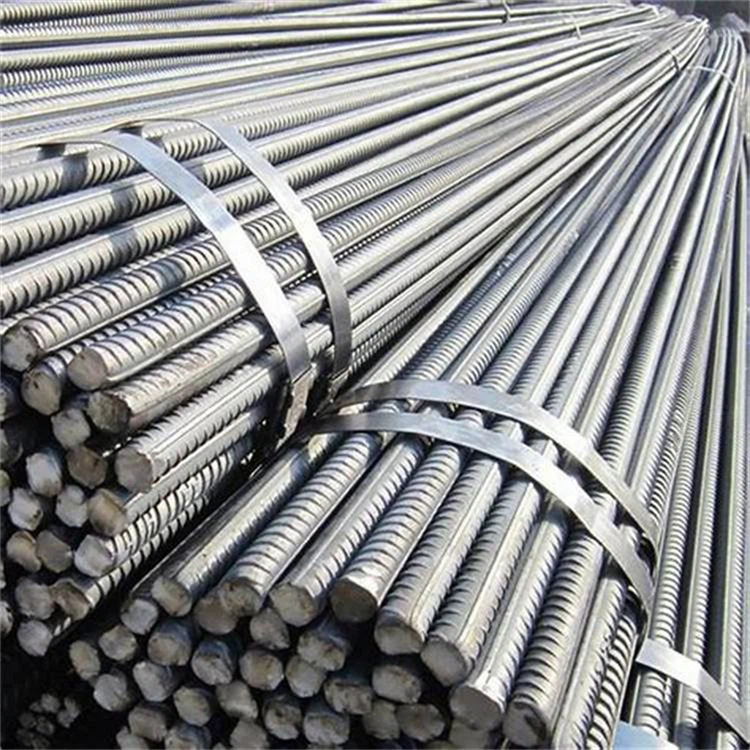
Containing up to 2.1% carbon, this category represents the most widely used type of steel. Its applications span construction beams, pipelines, and machinery components where high strength is essential .
Stainless Steel
With a minimum of 10.5% chromium, stainless steel offers exceptional corrosion resistance, making it ideal for medical devices, food processing equipment, and applications where hygiene and durability are critical .
Alloy Steel
By incorporating elements like nickel, manganese, or molybdenum, alloy steels achieve enhanced hardness and wear resistance. These advanced steels are common in automotive parts and high-stress applications .
Tool Steel
Engineered for high wear resistance and durability, tool steels are essential for cutting, drilling, and shaping equipment in manufacturing and construction .
Advanced High-Strength Steel (AHSS)
A recent innovation, AHSS offers superior strength-to-weight ratios, making it particularly valuable in automotive and aerospace applications where reducing weight without compromising safety is essential .
Steel’s Critical Role Across Industries
Construction: Building the Future
Steel’s exceptional tensile strength makes it indispensable in modern construction. From skyscrapers to bridges, steel provides the skeleton of our infrastructure. Iconic structures like the Burj Khalifa and Golden Gate Bridge exemplify steel’s architectural prowess . Prefabricated steel structures accelerate project timelines while maintaining safety standards, and steel’s seismic resistance ensures resilience in earthquake-prone regions .
Automotive: Driving Innovation
The automotive industry increasingly relies on lightweight high-strength steel to improve fuel efficiency without compromising safety . The transition to electric vehicles has further emphasized steel’s importance, with EV chassis and battery enclosures depending on steel’s durability and protective qualities.
Manufacturing and Machinery: Precision and Power
Industrial machinery, from conveyor systems to computer-controlled equipment, depends on steel’s robustness and reliability. Even components like solenoid valves—critical for controlling fluid and gas flow in hydraulic systems—are often housed in stainless steel casings to withstand harsh operating environments .
Energy Sector: Powering Progress
The energy industry, both renewable and traditional, leans heavily on steel infrastructure. Wind turbines, oil rigs, solar farm supports, and electrical transformers all incorporate specialized steel products designed to withstand specific operational challenges .
Table: Steel Applications Across Major Industries
| Industry | Primary Steel Applications | Steel Types Commonly Used |
|---|---|---|
| Construction | Structural frames, reinforcement | Carbon steel, structural steel |
| Automotive | Body panels, chassis, EV batteries | AHSS, High-strength steel |
| Energy | Turbines, pipelines, platforms | Stainless steel, marine-grade steel |
| Manufacturing | Machinery, tools, equipment | Tool steel, alloy steel |
| Medical | Surgical instruments, implants | Surgical stainless steel |
Sustainability: Green Steel for a Greener Future
The steel industry is actively addressing its environmental impact with ambitious goals to cut CO₂ emissions by 50% by 2050 . Several innovative approaches are driving this sustainability transformation:
Green Hydrogen
Replacing coke with hydrogen in BF-BOF processes represents a promising path to significantly reducing carbon emissions. When produced using renewable energy, hydrogen offers a nearly carbon-neutral reduction method for iron ore .
Carbon Capture and Storage (CCS)
This technology involves capturing carbon dioxide emissions from steel production and storing them underground, preventing CO₂ from entering the atmosphere . While still evolving, CCS has potential to substantially reduce the industry’s carbon footprint.
Enhanced Recycling
Steel is one of the most recycled materials globally, with EAFs efficiently converting scrap into new steel products. Recycling steel saves approximately 75% of the energy required for virgin production, making it a cornerstone of circular economy principles .
Technological Innovations Revolutionizing Steel Processing

The steel industry is embracing cutting-edge technologies that enhance efficiency, quality, and sustainability .
Automation and Robotics
The integration of automation and robotics is reshaping steel processing by improving precision, safety, and productivity. Automated systems handle tasks ranging from material handling to quality control, while robotics excel in high-precision applications like welding, cutting, and inspection .
Digitalization and Smart Manufacturing
The adoption of big data, artificial intelligence (AI), and the Internet of Things (IoT) enables real-time monitoring and analysis of production processes. Smart manufacturing systems can predict maintenance needs, optimize operations, and enhance overall productivity through data-driven insights .
3D Printing
Additive manufacturing technologies allow production of custom steel components with complex geometries that would be difficult or impossible to achieve through traditional methods. This approach reduces material waste and enables rapid prototyping .
Hydrogen-Based Steelmaking
Although still in development, hydrogen-based steelmaking shows tremendous promise for nearly carbon-neutral production. This technology replaces carbon-intensive methods with hydrogen to reduce iron ore, potentially revolutionizing the industry’s environmental footprint .
The Future of Steel: Challenges and Opportunities
Despite significant progress, the steel industry faces ongoing challenges, including high initial investment costs for new technologies and regulatory hurdles . However, these challenges are accompanied by substantial opportunities for companies willing to innovate and lead the sustainability transition.
Research and development continue to drive innovation, with leading steel companies investing in breakthrough projects that yield new generations of advanced steel products . These R&D efforts focus on enhancing material properties, improving production efficiency, and reducing environmental impact.
Conclusion: Steel’s Enduring Legacy and Future Potential
Steel’s evolution mirrors human ingenuity and our relentless pursuit of progress. As industries embrace automation and sustainability, steel remains pivotal, synergizing with emerging technologies to drive efficiency and innovation .
The steel industry of tomorrow will likely be characterized by digital integration, environmental responsibility, and advanced materials capable of meeting increasingly demanding applications. From smart infrastructure embedded with sensors to monitor structural health, to custom 3D-printed components for specialized applications, steel will continue to shape our world in ways we are only beginning to imagine.
By prioritizing eco-friendly practices and technological innovation, the steel industry is positioning itself to continue as a fundamental enabler of human progress—building a more resilient, efficient, and sustainable world for generations to come.
This article was developed based on comprehensive industry research and aims to provide an accessible overview of steel production, applications, and innovations. The content has been structured for easy reading with clear section headings, comparative tables, and highlighted key points to enhance understanding of this essential material that underpins modern society.