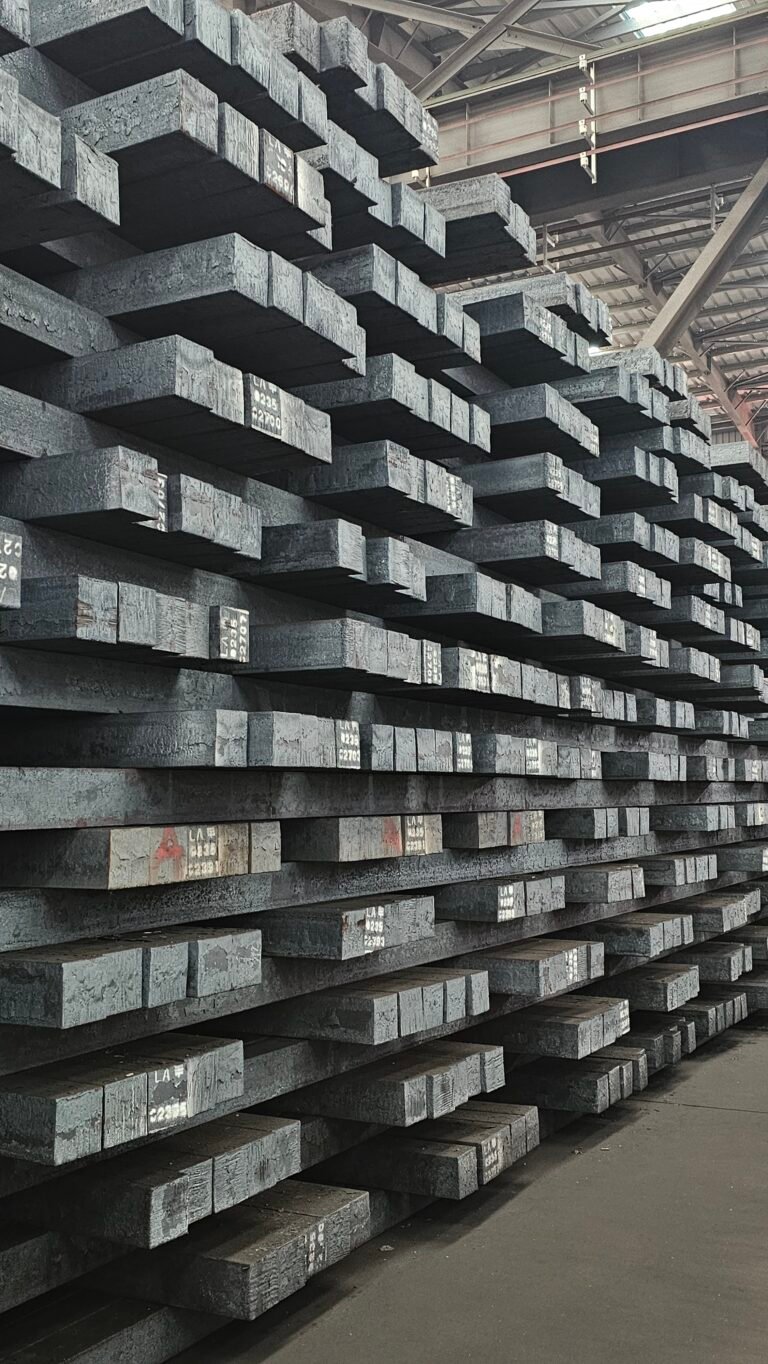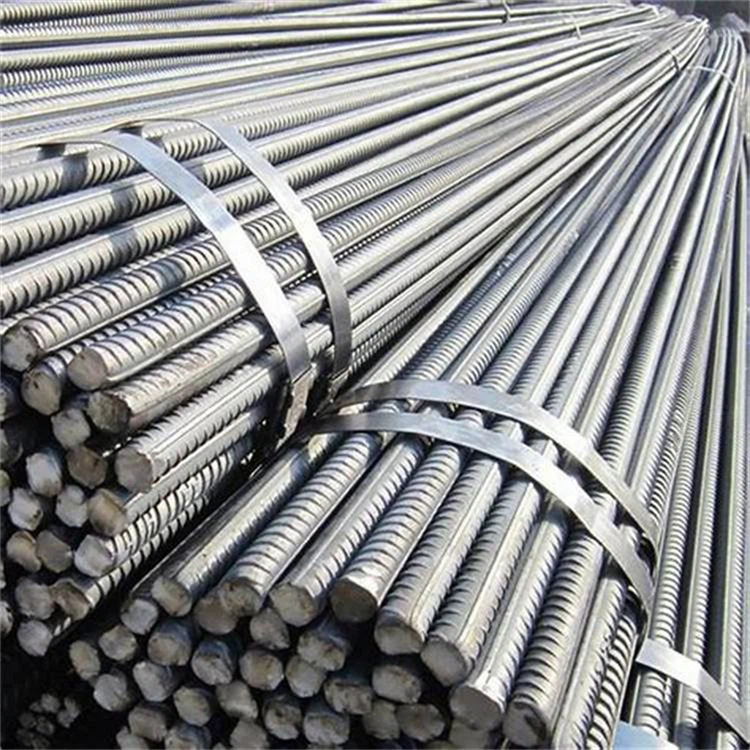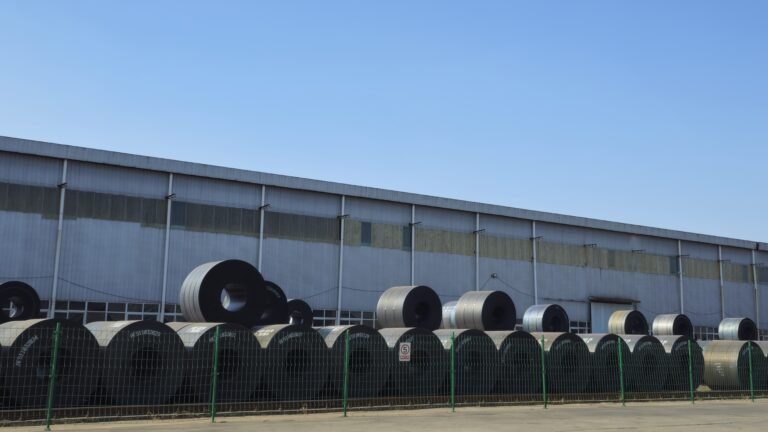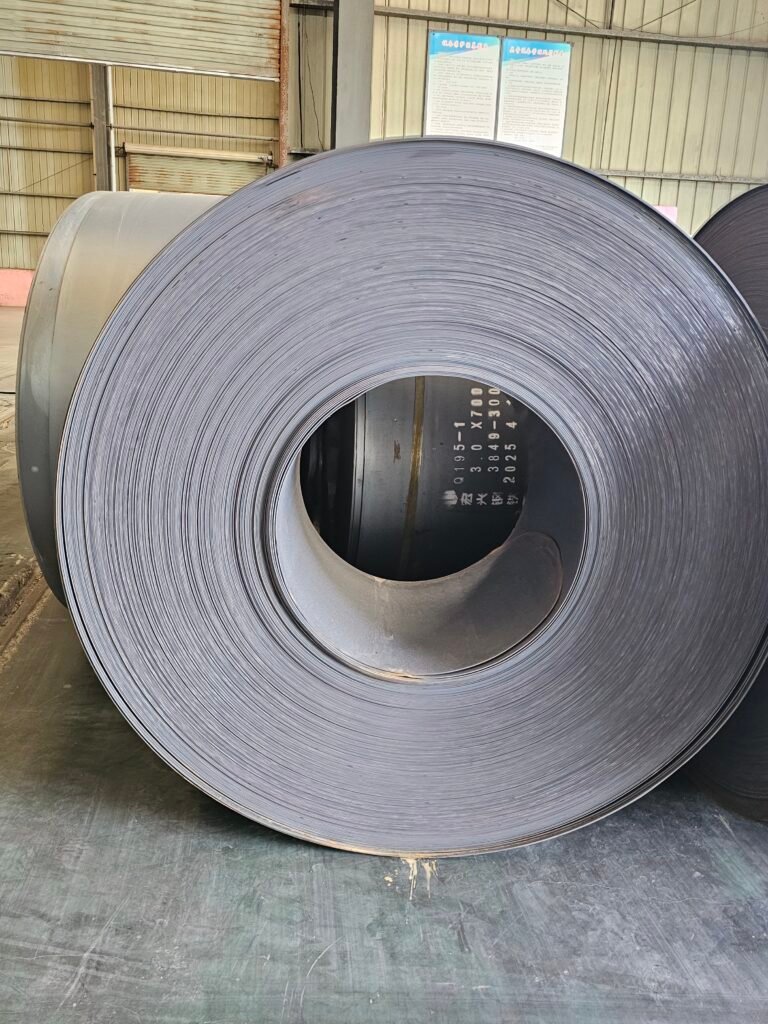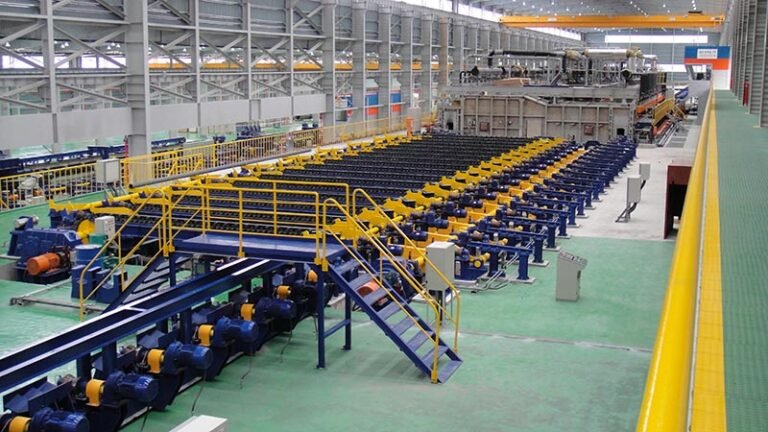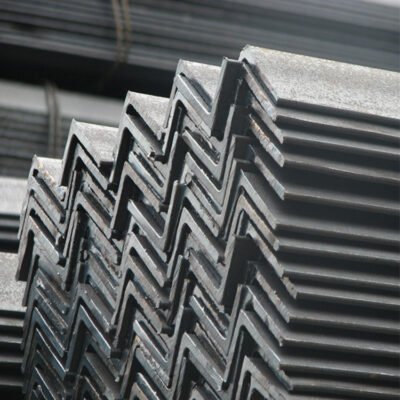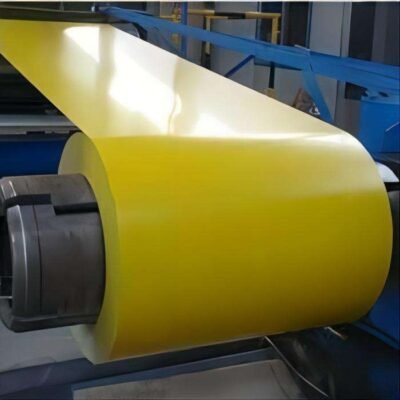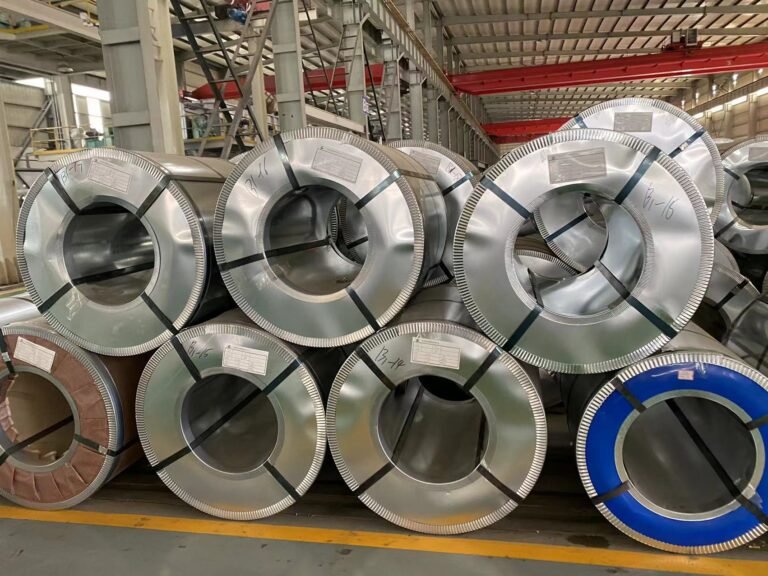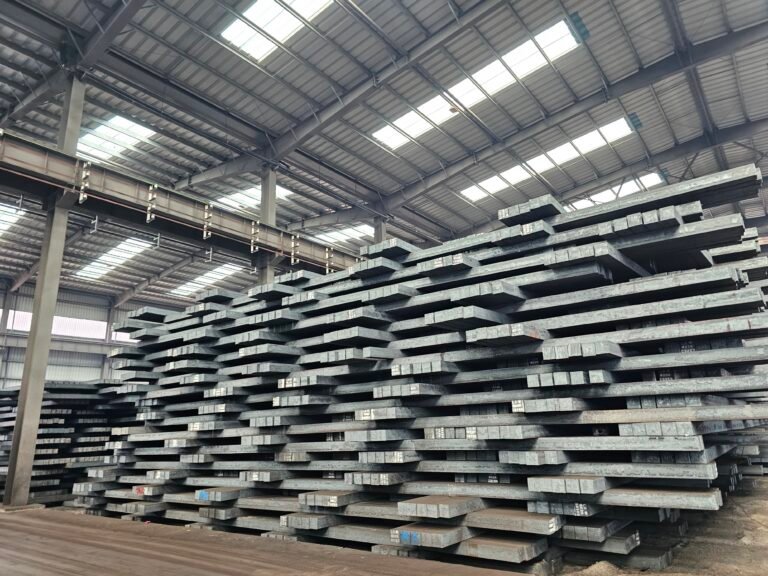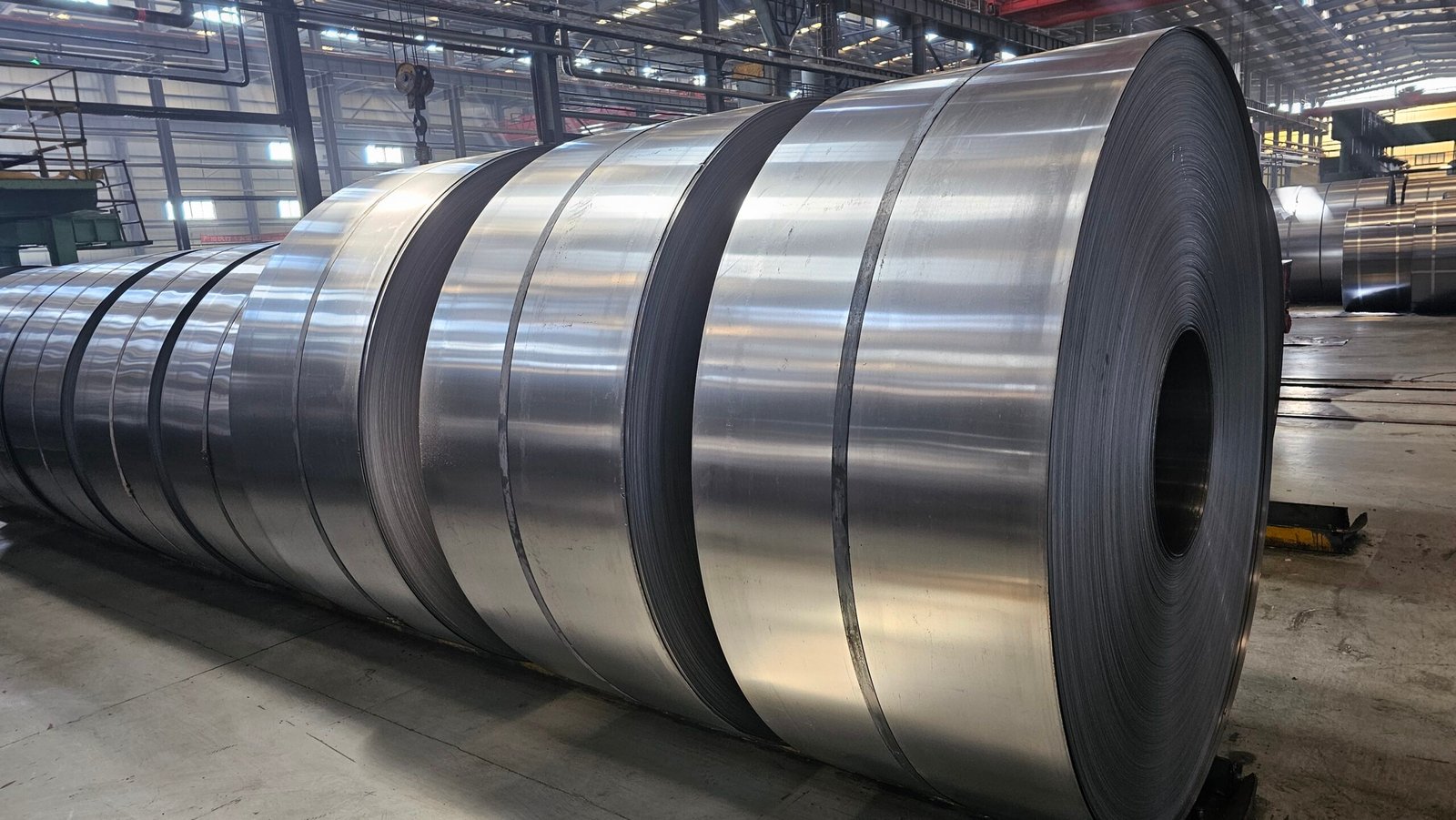
Steel is the backbone of modern infrastructure, from skyscrapers to transportation systems
Introduction: The Foundation of Modern Civilization
Steel is the most fundamental engineering material of our modern world, playing a critical role in virtually every aspect of our lives—from the skyscrapers that define our skylines to the cars we drive and the household appliances we use daily. Despite its ubiquitous presence, the steel industry remains largely misunderstood by the general public. This comprehensive guide provides an in-depth overview of this vital industry, exploring its production processes, major players, environmental challenges, innovative advancements, and future directions.
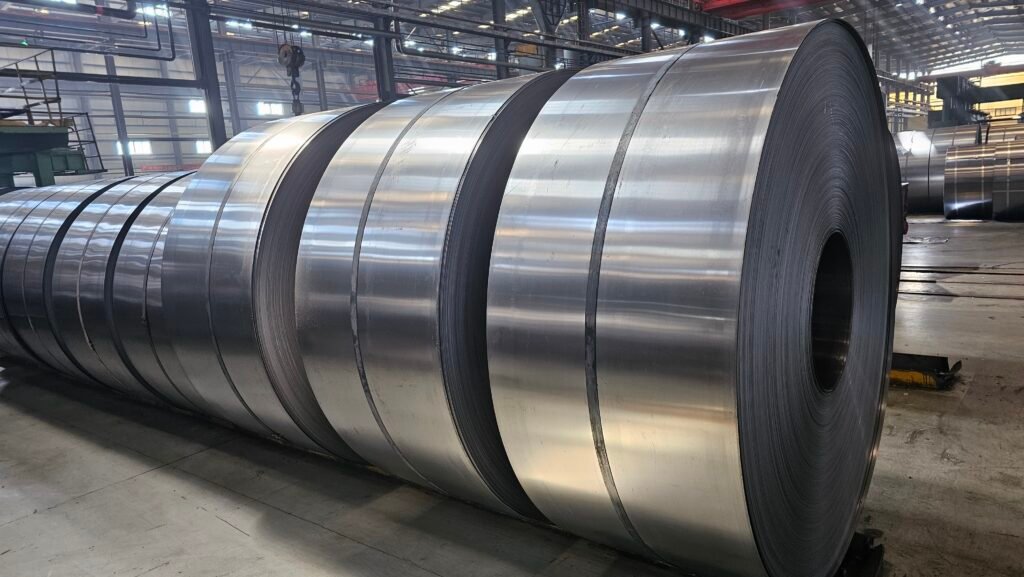
What Exactly is Steel? Understanding the Basics
Steel is an alloy primarily composed of iron and carbon, typically containing less than 2% carbon and 1% manganese, along with small amounts of other elements. What makes steel exceptionally useful is its remarkable strength, durability, and versatility. These properties can be finely tuned through adjustments in composition and processing techniques to create materials suitable for everything from surgical instruments to earthquake-resistant building frames.
Key Elements in Steel Production
| Element | Symbol | Effect on Steel Properties |
|---|---|---|
| Carbon | C | Increases strength and hardness but reduces ductility and weldability |
| Manganese | Mn | Improves strength, hardness, and hardenability |
| Silicon | Si | Acts as a deoxidizer and increases strength |
| Phosphorus | P | Generally harmful; increases brittleness |
| Sulfur | S | Generally harmful; reduces ductility and impact resistance |
| Chromium | Cr | Enhances corrosion resistance and hardenability |
| Nickel | Ni | Improves strength and toughness |
TTable: Key elements in steel production and their effects on material properties
The production process typically involves two main routes:
- Blast Furnace-Basic Oxygen Furnace (BF-BOF): Uses raw iron ore and coke
- Electric Arc Furnace (EAF): Primarily uses recycled scrap steel
Simplified diagram of steel production routes showing both major pathways
Major Global Steel Producers
| Company | Country | Annual Production (Million Tons) | Specializations |
|---|---|---|---|
| China Baowu Steel Group | China | 115 | Automotive, construction |
| ArcelorMittal | Luxembourg | 90 | Automotive, construction |
| Nippon Steel Corporation | Japan | 50 | Advanced engineering steels |
| POSCO | South Korea | 45 | Automotive, shipbuilding |
| Shagang Group | China | 42 | Construction steel |
| Tata Steel | India | 30 | Construction, automotive |
| Ansteel Group | China | 39 | Automotive, pipeline |
| Shougang Group | China | 34 | Construction, manufacturing |
| Hyundai Steel | South Korea | 26 | Automotive, shipbuilding |
| Benxi Steel Group | China | 20 | Construction, manufacturing |
Table: Major global steel producers and their specializations
Regional Production Distribution
global steel production by region showing Asia’s dominant position
According to recent data:
- Asia and Oceania produced 1,367 million tons (72.4% of global production)
- European Union produced 126 million tons (6.7%) 🇪🇺
- North America produced 110 million tons (5.8%) 🇺🇸
- Other regions collectively produced the remaining 15.1%
China alone accounts for approximately 54% of global steel production, highlighting the massive shift in industrial capacity to Asia over the past two decades .
The Art and Symbolism Behind Steel Company Logos
Selection of steel company logos with their design elements explained
Steel company logos often incorporate design elements that reflect the industry’s core values: strength, reliability, and innovation. These logos typically feature:
- Industrial symbols: Hammers, steel beams, molten metal
- Strong geometric shapes: Circles, squares, and triangles conveying stability
- Bold typography: Reflecting strength and resilience
- Symbolic colors: Reds representing furnace heat, blues indicating reliability, and blacks suggesting strength
Notable Logo Designs and Their Meanings:
- China Baowu Steel: Features a “Möbius strip” concept with red and blue color transitions, representing the recyclable nature of steel and the company’s commitment to a green steel industry ecosystem .
- Hebei Iron and Steel (HBIS): Uses a square design with “HBISGROUP” lettering in “Wisdom Blue,” symbolizing the company’s commitment to national development principles and its responsible, entrepreneurial spirit .
- Ansteel: Incorporates rail and pig iron cross-sections that represent the steel industry’s fundamental nature. The pig iron shape resembles a mountain, reflecting the company’s geographical location in Anshan and symbolizing Ansteel’s rich mineral resources .
- Shougang: Features a planetary design where “S” resembles a satellite orbiting an Earth-shaped “G,” representing the company’s global ambitions and international presence .
Steel Production Process: From Raw Materials to Finished Products
The modern steel production process is a complex series of operations that transform raw materials into various steel products with specific properties and applications.
1. Ironmaking Process
The journey begins with ironmaking in a blast furnace:
- Raw materials: Iron ore, coke, and limestone are fed into the blast furnace
- Temperature: Reaches approximately 1,600°C (2,912°F)
- Chemical process: Coke acts as both fuel and reducing agent, converting iron ore to molten iron
- Output: Molten iron (called “hot metal”) containing 4-5% carbon and impurities
2. Steelmaking Process
The molten iron from the blast furnace is converted to steel through one of two primary methods:
Basic Oxygen Furnace (BOF) Route:
- Uses 70-90% hot metal from the blast furnace
- Oxygen is blown through the molten metal to reduce carbon content
- Alloying elements are added to achieve desired steel properties
- Process takes approximately 40-50 minutes per batch
Electric Arc Furnace (EAF) Route:
- Uses primarily recycled scrap steel (90-100%)
- Electricity powers large graphite electrodes that melt the scrap
- More flexible and environmentally friendly than BOF
- Process takes approximately 90-100 minutes per batch
3. Continuous Casting
Once steel is made, it’s cast into semi-finished forms:
- Traditional method: Ingot casting (now largely obsolete)
- Modern method: Continuous casting (90% of world production)
- Output forms: Slabs, blooms, or billets depending on final product requirements
4. Rolling and Finishing
The semi-finished steel products undergo various rolling processes:
| Process | Description | Output Products |
|---|---|---|
| Hot Rolling | Steel is heated above recrystallization temperature and shaped | Plates, sheets, structural sections |
| Cold Rolling | Performed at room temperature for better surface finish | Automotive panels, appliances |
| Forging | Shaped using compressive forces | High-strength components |
| Extrusion | Pushed through a die to create specific cross-sections | Rails, structural members |
Table: Various forming processes in steel production
Technological Innovations in Steel Production
The steel industry has undergone significant technological transformations to improve efficiency, sustainability, and product quality. Some notable innovations include:
- Electric Arc Furnaces (EAFs): Increasingly using renewable energy sources
- Carbon Capture, Utilization and Storage (CCUS): Reducing greenhouse gas emissions
- Industry 4.0 technologies: Implementing AI, IoT, and automation for smarter production
- Advanced high-strength steels (AHSS): Developing lighter but stronger materials for automotive applications
- Thin-slab casting: Reducing energy consumption in casting processes
Timeline of major technological innovations in steel production over the decades
Environmental Challenges and Sustainable Solutions
The steel industry faces significant environmental challenges, particularly regarding carbon emissions and energy consumption. However, the industry has made substantial progress in addressing these concerns:
Environmental Impact Metrics
- Energy consumption: Modern steel plants use 60% less energy than those from the 1960s
- CO2 emissions: Typically 1.8-2.2 tons of CO2 per ton of steel produced
- Water usage: Approximately 20-80 cubic meters per ton of steel, with 90% typically recycled
- Recycling rate: Steel is the world’s most recycled material, with a global recycling rate of over 85%
Sustainable Initiatives
- Circular economy: Steel byproducts are increasingly used in other industries (e.g., slag in cement production)
- Hydrogen-based reduction: Developing alternative production methods that emit water instead of CO₂
- Biomass utilization: Exploring renewable carbon sources to replace fossil fuels
- End-of-life recycling: Designing products for easy disassembly and material recovery
Circular economy diagram showing steel’s endless recycling potential
The Future of Steel: Trends and Projections
The global steel industry continues to evolve in response to technological, economic, and environmental factors. Key trends shaping its future include:
- Increased digitalization: AI and machine learning for predictive maintenance and quality control
- Advanced materials development: New alloys with enhanced properties for specific applications
- Sustainability focus: Greater emphasis on circular economy principles and carbon-neutral production
- Customization capabilities: Tailoring steel properties for highly specific customer requirements
- Global market shifts: Changing demand patterns with developing economies increasing consumption
- Decarbonization technologies: Hydrogen-based reduction, CCUS, and electric arc furnaces powered by renewables
Emerging applications for advanced steel products in various industries
Conclusion: Steel’s Enduring Importance in a Changing World
Despite the emergence of new materials and technologies, steel remains fundamental to global economic development and infrastructure expansion. Its unique combination of strength, durability, recyclability, and cost-effectiveness ensures its continued relevance in an increasingly materials-conscious world. As innovation addresses historical environmental challenges, steel is poised to remain the pillar of modern civilization for the foreseeable future.
The steel industry exemplifies how traditional sectors can evolve through technological innovation and environmental responsibility, maintaining their crucial role in economic development while adapting to new sustainability imperatives. With ongoing advancements in production technology, material science, and environmental management, the steel industry will continue to build the foundation for future generations.
This article provides a general overview of the steel industry. For specific technical information or detailed data, please consult specialized industry publications and company reports.