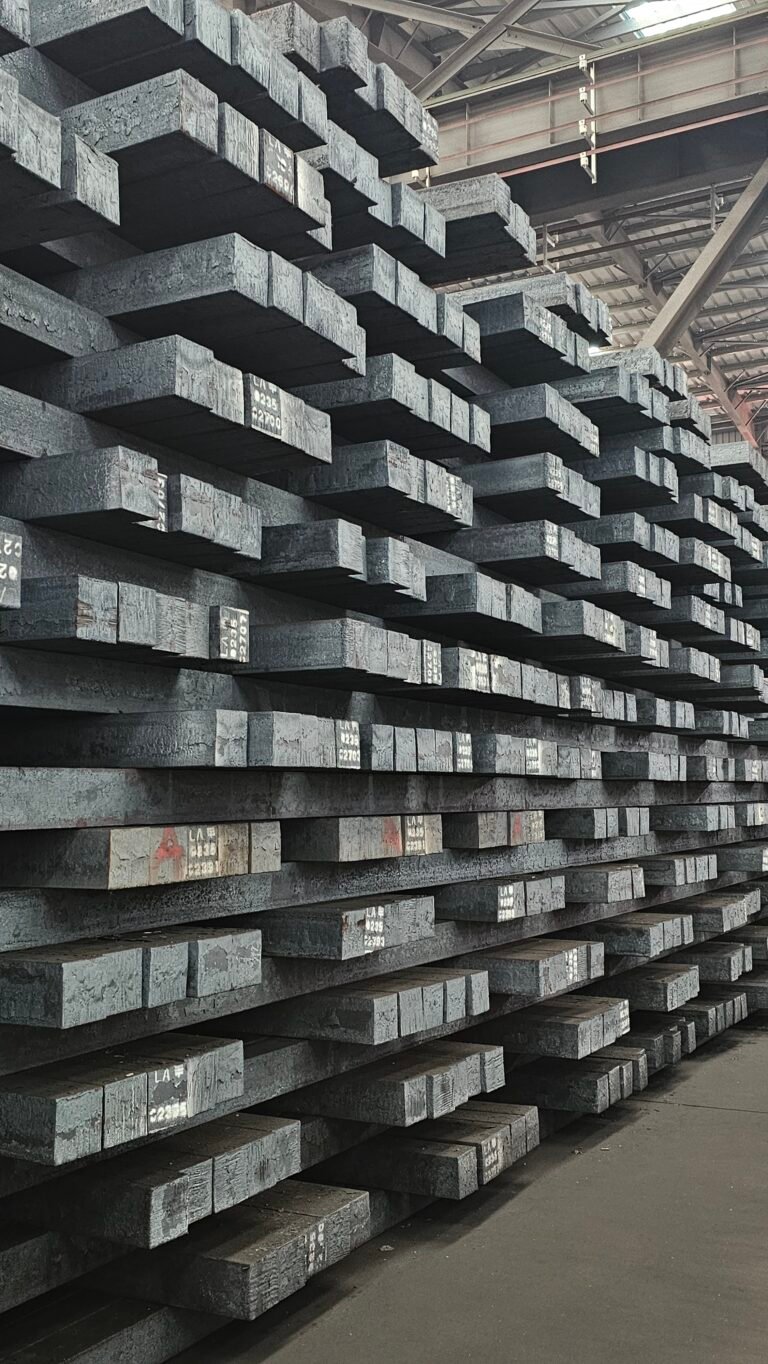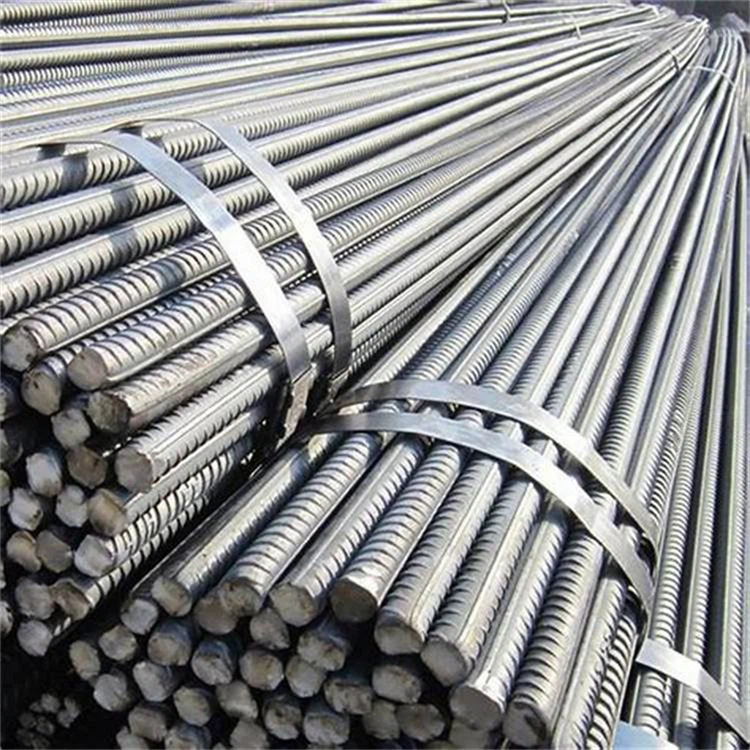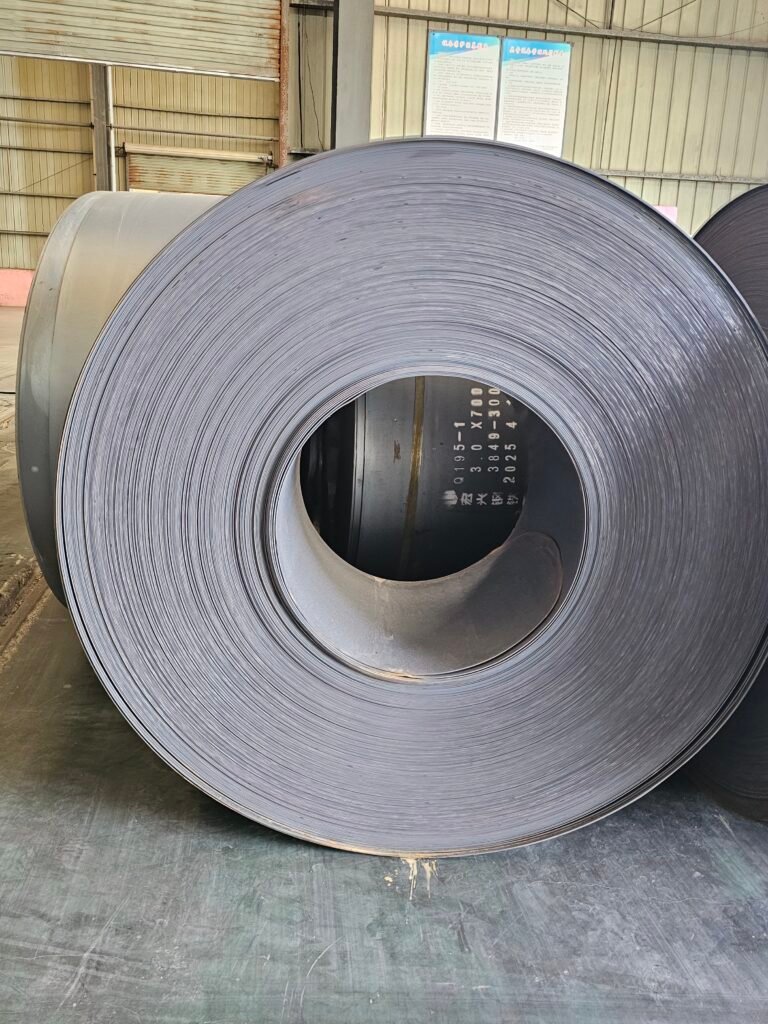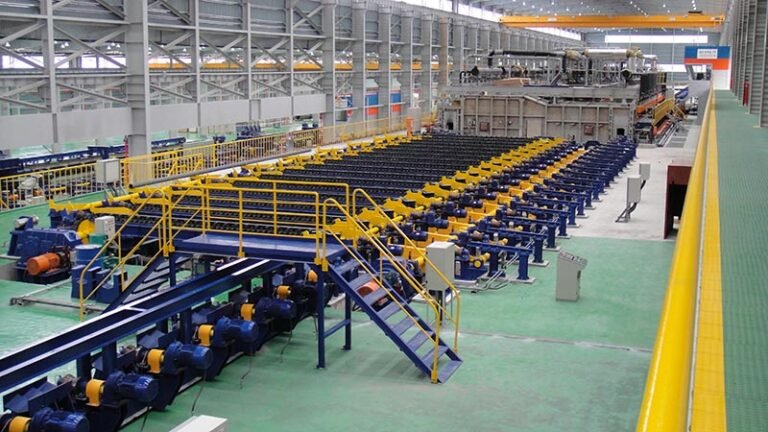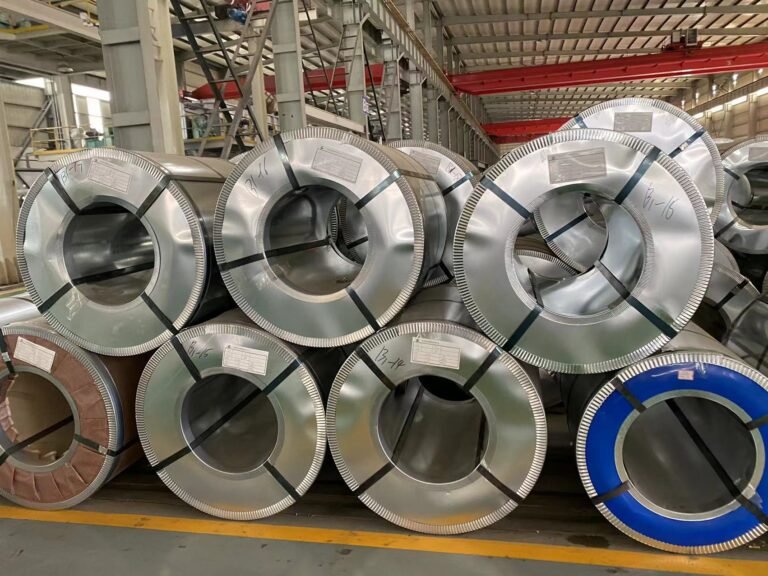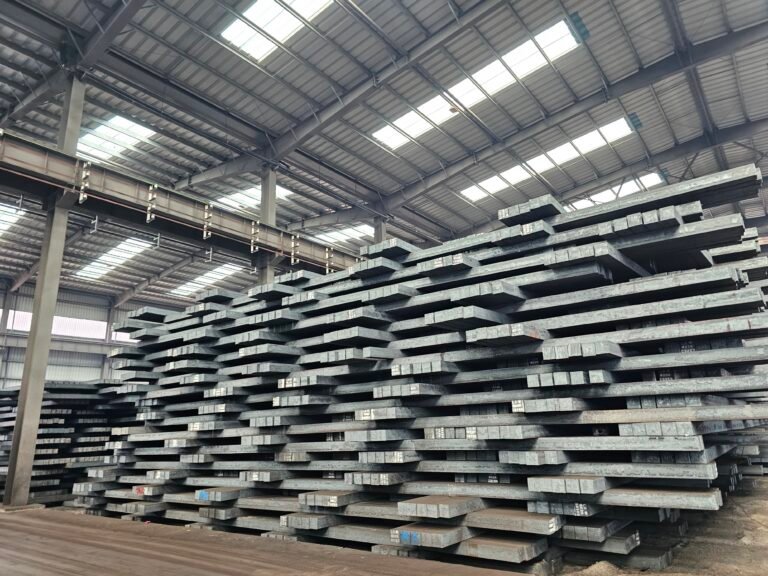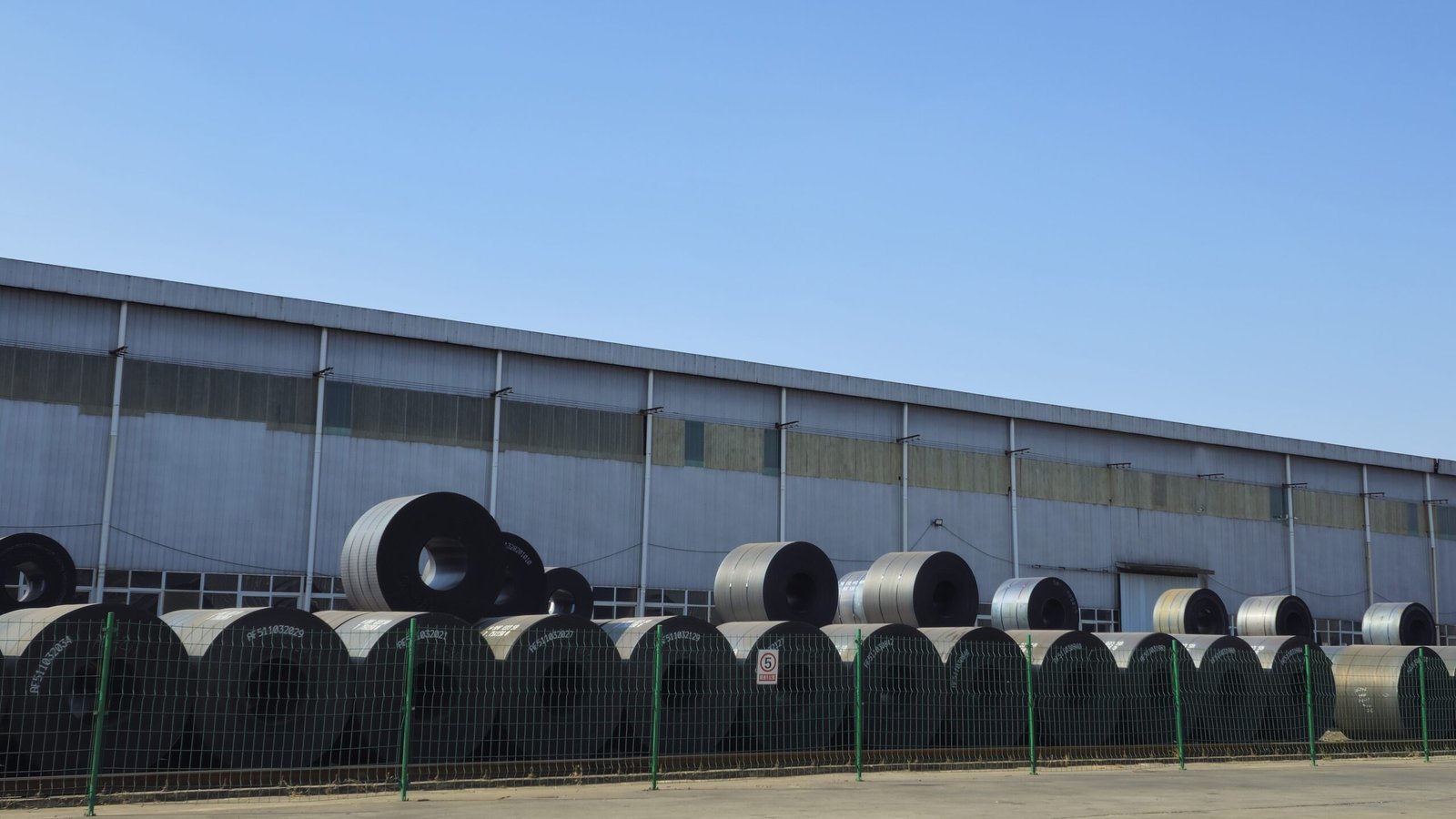
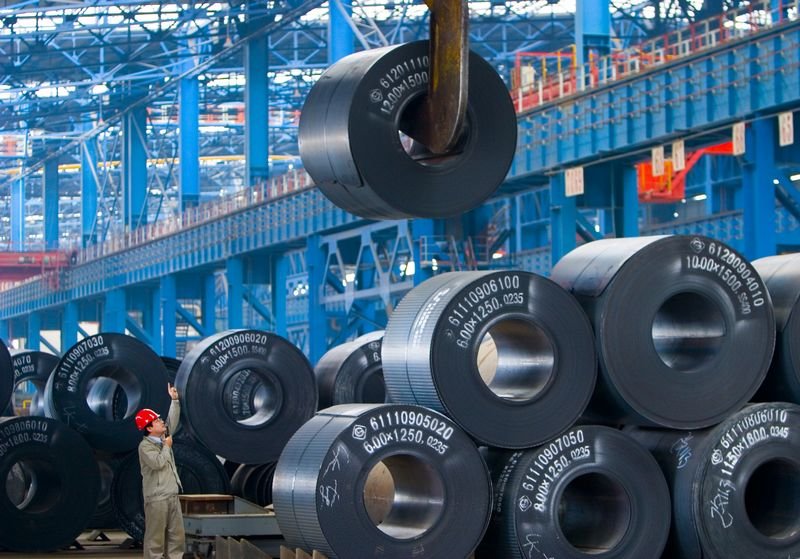
The African Continental Free Trade Area (AfCFTA) represents a transformative framework for intra-African trade, creating a single market encompassing 1.3 billion people with a combined GDP of $3.4 trillion . For the green steel sector—a critical industry for sustainable development—AfCFTA provides specific mechanisms to overcome historical trade barriers, reduce costs, and create regionally integrated value chains. By harmonizing trade policies, simplifying customs procedures, and encouraging investment in sustainable infrastructure, the agreement directly facilitates the growth of a low-carbon steel market across the continent. This article explores the key mechanisms through which AfCFTA promotes green steel trade, examines ongoing initiatives, and highlights the potential for Africa to become a competitive player in the global sustainable steel industry.
1 Tariff Liberalization and Trade Cost Reduction
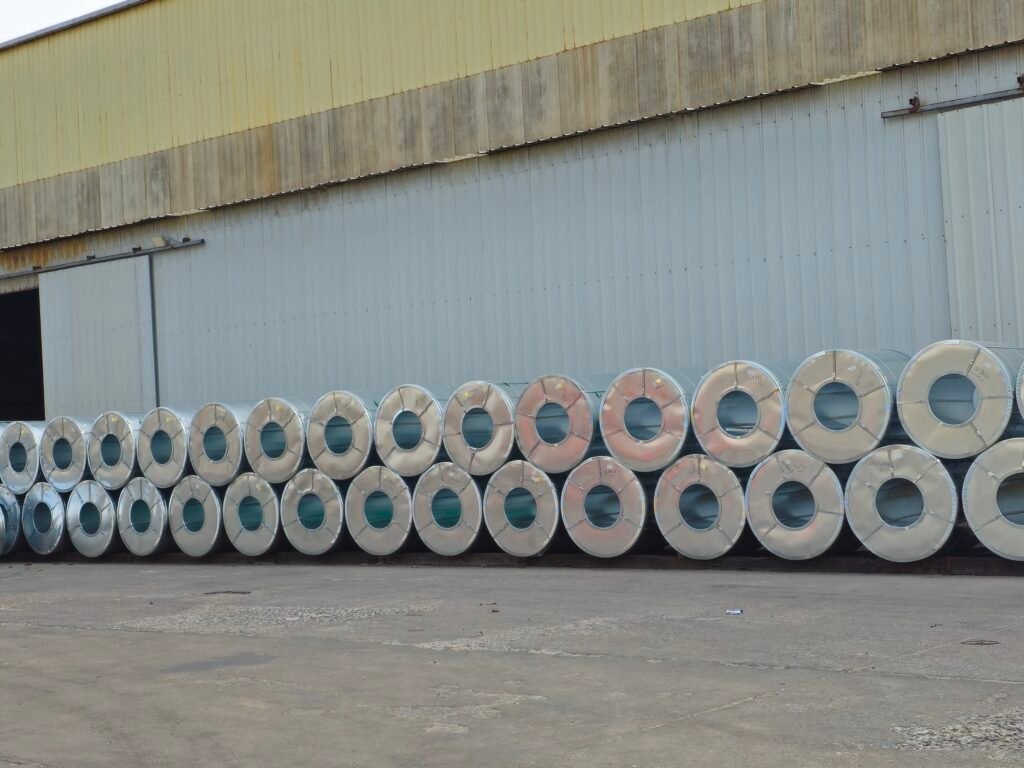
The AfCFTA agreement mandates the elimination of tariffs on 90% of all goods traded between member states, categorizing them into three groups: Category A (non-sensitive items), Category B (sensitive items), and Category C (excluded items) . For green steel products—which may include low-carbon direct reduced iron (DRI), steel coils, or recycled steel—this tariff reduction significantly enhances competitiveness.
- Phased Implementation: Non-least developed countries (non-LDCs) are required to remove tariffs on Category A goods over a 5-year period, while least developed countries (LDCs) have a 10-year phase-down window. Sensitive products (Category B) enjoy longer transition periods of 10 years for non-LDCs and 13 years for LDCs . This gradual approach allows steel-producing nations such as South Africa, Egypt, and Nigeria to adapt their industries while gradually integrating into regional supply chains.
- Customs Facilitation: Beyond tariffs, AfCFTA’s Protocol on Trade in Goods incorporates trade facilitation measures aligned with the World Trade Organization’s Trade Facilitation Agreement (TFA). These include streamlined customs documentation, automated border processing, and harmonized procedures for steel product classifications using the WCO Harmonized System (HS) nomenclature . For instance, the introduction of digital platforms such as the “African Trade Gateway” provides exporters with real-time information on customs processes, market requirements, and payment systems, reducing administrative delays that previously hindered intra-African steel trade .
Table: AfCFTA Tariff Concession Categories and Timelines
| Category | Coverage | Phase-down Period (Non-LDCs) | Phase-down Period (LDCs) |
|---|---|---|---|
| Category A | 90% of tariff lines (e.g., semi-finished steel) | 5 years (by 2026) | 10 years (by 2031) |
| Category B | 7% sensitive products (e.g., high-value steel products) | 10 years (by 2031) | 13 years (by 2034) |
| Category C | 3% excluded products | Subject to review every 5 years | Subject to review every 5 years |
These measures collectively lower the transaction costs and logistical burdens associated with cross-border steel trade, making it feasible for green steel producers to access neighboring markets more efficiently .

2 Unlocking Regional Value Chain Integration
AfCFTA encourages the development of regional value chains (RSCs) in steel production by allowing materials and intermediate goods to move freely across borders for further processing . This is particularly advantageous for green steel, which often relies on distributed resources such as iron ore from Guinea, renewable energy from Namibia, and manufacturing hubs in Egypt or South Africa.
- Rules of Origin (RoO): AfCFTA’s RoO criteria permit cumulation of origin, meaning that inputs sourced from multiple African countries can be counted toward meeting the threshold for “AfCFTA-originating” status . For example, if iron ore is mined in Guinea and processed into DRI using solar energy in Namibia, the resulting green steel could be exported tariff-free to an automotive factory in South Africa, provided the cumulative value addition within Africa meets the agreed criteria. This incentivizes collaboration between resource-rich and industrial-intensive economies.
- Infrastructure Corridors: The agreement supports cross-border infrastructure projects that are vital for steel logistics. Corridors such as the Lobito Corridor (Angola–DRC–Zambia) and the Nacala Corridor (Mozambique–Malawi) are being upgraded to facilitate the movement of heavy steel products . These projects reduce transit times and costs, enabling just-in-time delivery for construction and manufacturing sectors. Harmonized transit regulations under AfCFTA’s Annex 8 further ensure that steel shipments face minimal interruptions at borders .
By treating the continent as a single production base, AfCFTA enables economies of scale and fosters specialization—key factors for reducing the cost of green steel, which requires significant upfront investment in technology and infrastructure.
3 Financing and Payment Systems
To support trade in capital-intensive sectors like green steel, AfCFTA has institutionalized financial mechanisms that address funding gaps and currency volatility.
- Trade Financing: The AfCFTA Secretariat, in partnership with the African Export-Import Bank (Afreximbank), has established a $10 billion fund to support trade facilitation, including investments in green industries . This fund provides credit guarantees, working capital loans, and insurance for steel exporters and importers, mitigating risks associated with long production cycles and high-value transactions. Additionally, the AfCFTA Adjustment Fund helps countries offset revenue losses from tariff reductions, encouraging them to prioritize sustainable industrial sectors like green steel .
- Pan-African Payment and Settlement System (PAPSS): This system allows traders to settle transactions in local currencies, reducing reliance on the U.S. dollar or euro. By cutting currency conversion costs—which account for an estimated $5 billion in annual expenses—PAPSS improves the affordability of cross-border steel trade . For example, a Kenyan manufacturer purchasing steel from Ethiopia can pay in Kenyan shillings, while the Ethiopian exporter receives payment in birr, avoiding costly forex intermediaries.
These financial tools enhance liquidity and stability, making it easier for green steel projects to secure funding and engage in intra-African trade.
4 Green Standards and Sustainable Development
AfCFTA incorporates environmental objectives into its trade framework, creating opportunities for green steel to gain preferential market access.
- Environmental Protocols: While still under negotiation, the AfCFTA protocol on trade and environment aims to align trade policies with climate goals . This could include lower tariffs for products verified as “green” or “low-carbon,” similar to the European Union’s Carbon Border Adjustment Mechanism (CBAM). By promoting common sustainability standards, AfCFTA helps differentiate African green steel in international markets .
- Incentives for Decarbonization: The agreement encourages member states to adopt policies that support renewable energy and energy efficiency in industrial production . For instance, countries with abundant solar or hydro resources can attract green steel investment by offering clean energy at competitive prices, leveraging AfCFTA’s market integration to export certified green steel to regions with carbon pricing mechanisms like the EU .
These initiatives position AfCFTA as a catalyst for sustainable industrialization, ensuring that green steel trade contributes to both economic growth and climate mitigation.
5 Challenges and Implementation Progress
Despite its potential, AfCFTA’s impact on green steel trade depends on overcoming several challenges:
- Infrastructure Gaps: Inadequate transport networks and energy infrastructure remain significant barriers. For example, shipping steel from Lagos to Lomé (a distance of 270 km) can take up to 10 days due to poor road conditions and border delays . AfCFTA’s success hinges on parallel investments in rail, port, and energy infrastructure to enable efficient movement of heavy steel products.
- Technical Capacity: Many African customs administrations lack the digital systems needed to fully implement AfCFTA’s streamlined procedures. The agreement requires member states to adopt electronic data interchange systems and automated customs platforms, but progress is uneven .
- Progress to Date: As of 2023, 46 countries had ratified AfCFTA, and the Guided Trade Initiative (GTI)—a pilot program involving eight countries—has enabled tariff-free trade of 96 products, including steel-related goods like batteries and processed metals . Negotiations on rules of origin for sensitive products, including automotive and textile sectors, are 87.8% complete, with ongoing efforts to finalize terms for green steel .
Table: Key AfCFTA Implementation Milestones for Green Steel Trade
| Milestone | Status | Impact on Green Steel |
|---|---|---|
| Tariff concession schedules gazetted | 46 member states submitted offers | Reduces costs for semi-finished and finished steel products |
| Rules of origin negotiated | 87.8% complete (including automotive and textiles) | Enables cross-border value chains for steel |
| Guided Trade Initiative (GTI) | Operational in 8 countries | Tests green steel trade mechanisms |
| Pan-African Payment Settlement System | Launched in 2022 | Reduces currency risks for steel transactions |
6 Conclusion
The African Continental Free Trade Area (AfCFTA) serves as a powerful enabler for green steel trade by removing tariff barriers, integrating regional value chains, providing financial support, and promoting environmental standards. For member states, the agreement lowers the cost of trading low-carbon steel products and encourages investment in sustainable production methods. While challenges related to infrastructure and implementation persist, AfCFTA’s phased approach—exemplified by the Guided Trade Initiative and PAPSS—offers a realistic pathway to unlocking Africa’s potential as a green steel hub. As the world transitions to a low-carbon economy, AfCFTA provides the institutional framework needed for African industries to compete globally while promoting sustainable development across the continent.