Executive Summary
Africa stands at the forefront of a potential green steel revolution, leveraging its unparalleled renewable energy resources and high-quality iron ore deposits. While current production costs for green steel remain 20-50% higher than traditional methods, Africa’s unique advantages position it to close this gap faster than other regions. This article analyzes the cost structures, key influencing factors, and strategic pathways that could transform Africa into a global green steel hub by the second half of this century, creating both economic opportunities and sustainable development pathways for the continent.
1 Cost Comparison: Green Steel vs Traditional Steel in Africa
1.1 Current Cost Premiums and Advantages
The transition to green steel in Africa faces significant cost barriers rooted in technology maturity and infrastructure gaps. Traditional blast furnace steel production emits approximately 1.85-2.4 tons of CO₂ per ton of steel but benefits from established infrastructure and supply chains. In contrast, green steel technologies such as hydrogen-based direct reduction require substantial upfront investments, with hydrogen production alone accounting for 60-70% of operational expenses in pilot projects.
However, specific African regions already demonstrate competitive advantages. In Angola, abundant natural gas reserves enable gas-based direct reduced iron production at approximately **250−300perton∗∗,significantlylowerthanChina′scoal−basedproductioncostsof350-400 per ton. This positions Angola favorably for transitional green steel production while moving toward fully renewable-based methods.
1.2 Regional Variances Across the Continent
- North Africa: Egypt leads as Africa’s largest steel producer with 10.7 million tons annual output, focusing on market protection and industrial upgrading while facing challenges in high-grade steel production.
- Southern Africa: South Africa’s established industry faces energy challenges but is pioneering green steel trials, with companies like Malben Engineering testing low-carbon steel emitting only 0.48 tons of CO₂ per ton compared to conventional steel’s 2.4 tons.
- West Africa: Nigeria presents a case of immense potential constrained by current realities, with domestic demand reaching 17 million tons against production of merely 220,000 tons, creating substantial investment opportunities.
2 Key Factors Influencing Green Steel Production Costs
2.1 Energy Infrastructure and Renewable Resources
Africa’s renewable energy potential represents its most significant advantage for green steel production. The continent possesses nearly 40% of global solar potential and enough wind resources to power its current electricity demands 250 times over. This renewable abundance translates into direct cost benefits:
- Electricity Costs: Angola’s hydro-powered electricity costs just **0.02−0.03perkilowatt−hour∗∗,comparedtoChina′sindustrialelectricityratesof0.08-0.12.
- Hydrogen Production: Kenya’s estimated levelized cost of green hydrogen ranges between $2.7-3.7 per kg with optimal power mix, potentially making it competitive by the late 2030s.
- Industrial Synergies: The integration of dedicated renewable energy sources with hydrogen production creates opportunities for optimizing energy costs. Kenya’s modeling shows that locations with superior wind resources (capacity factors of 55-66%) can significantly reduce hydrogen production costs, directly impacting steel production economics.
2.2 Raw Material Quality and Availability
The quality of iron ore deposits critically influences green steel production costs, and Africa is exceptionally endowed in this regard:
- High-Grade Ore: Africa hosts the world’s largest undeveloped high-quality iron ore deposit at Guinea’s Simandou mine, containing 2.4 billion tonnes with iron content exceeding 65%—the minimum required for direct reduction processes without coking coal.
- Quality Advantages: High-grade iron ore reduces energy requirements in direct reduction plants by 8-12% compared to standard ores, making African deposits particularly valuable for green steel production.
- Resource Distribution: While countries like Egypt and South Africa possess abundant iron ore and coking coal, other nations rely on imports, creating economic and logistical challenges that affect production costs.
2.3 Infrastructure and Transportation Networks
Infrastructure deficits represent one of the most significant barriers to competitive green steel production in Africa. Current challenges include:
- Energy Access: More than 600 million people in Sub-Saharan Africa lack access to electricity, creating reliability issues for energy-intensive steel production.
- Transport Limitations: Road density averages just 10 kilometers per 100 square kilometers compared to the global average of 24, hampering efficient movement of raw materials and finished products.
- Industrial Ecosystems: Projects like the 650-kilometer railway being developed to access Guinea’s Simandou deposit demonstrate the type of infrastructure required to unlock Africa’s steel potential.
2.4 Policy Frameworks and International Mechanisms
Regulatory frameworks and carbon pricing policies are pivotal in shaping the green steel market dynamics:
- Carbon Pricing: The European Union’s Carbon Border Adjustment Mechanism (CBAM), fully phasing in by 2026, will impose tariffs on high-carbon steel imports, potentially increasing costs for traditional steelmakers by $50-150 per metric ton.
- Investment Incentives: Angola’s National Development Plan (2023-2027) provides tax减免 and land incentives for manufacturing investments, supporting steel industry development.
- Regional Integration: The African Continental Free Trade Area (AfCFTA) creates opportunities for unified markets and simplified cross-border trade of steel products.
3 Technological Pathways and Their Economic Implications
3.1 Hydrogen-Based Direct Reduction
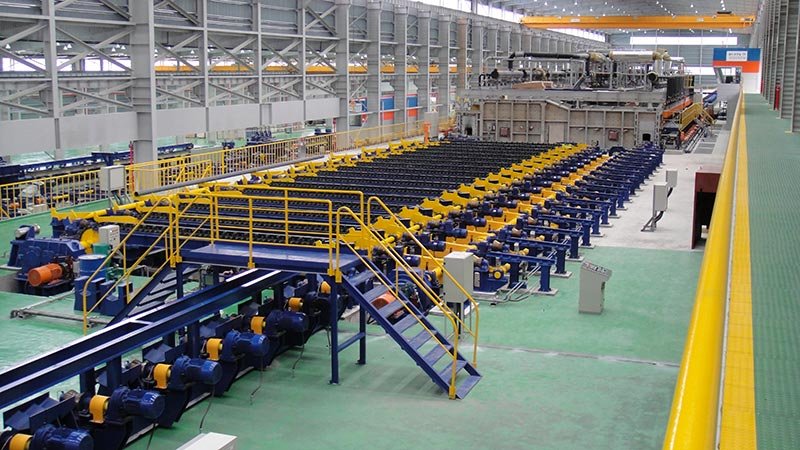
The most promising long-term solution for green steel production involves using green hydrogen as a reducing agent in direct reduced iron processes. This approach is particularly suitable for Africa because many of its iron ore deposits contain high-grade ore ideal for DRI operations. The key economic considerations include:
- Capital Requirements: Hydrogen-based steelmaking requires electrolyzers costing over $1.4 million per megawatt, creating significant upfront investment barriers.
- Operational Efficiency: Green hydrogen-based DRI, combined with electric arc furnaces powered by renewable energy, could enable nearly carbon-neutral steel production where conditions are favorable.
3.2 Electric Arc Furnaces with Scrap
Electric arc furnaces using recycled scrap metal represent another important pathway for green steel production. This approach is particularly viable in urban areas with sufficient scrap accumulation and reliable electricity access. The technology is well-established and can be deployed at various scales, making it suitable for different African market sizes. However, limited availability of high-quality scrap steel strains green steel economics, as only 68% of steel scrap meets EAF-grade standards.
4 Future Outlook: Pathways to Cost Competitiveness
4.1 Short-to-Medium Term Strategies (2025-2035)
- Transitional Technologies: Utilizing natural gas as a bridge fuel toward lower-carbon steel production, as demonstrated in Angola, where gas-based DRI generates approximately 50% lower emissions than traditional blast furnaces.
- Infrastructure Development: Implementing integrated approaches that combine steel production facilities with dedicated renewable energy generation, potentially following the “infrastructure-for-resources” model seen in Guinea’s Simandou project.
- Policy Alignment: Developing national strategies that prioritize local green steel applications before exports, as seen in Kenya’s approach to green hydrogen development.
4.2 Long-Term Prospects (2035-2050)
Management consultant McKinsey & Company believes green steel is unlikely to be cost-competitive with traditional steel manufacture backed by carbon capture and storage until 2050. However, Africa’s unique advantages could accelerate this timeline:
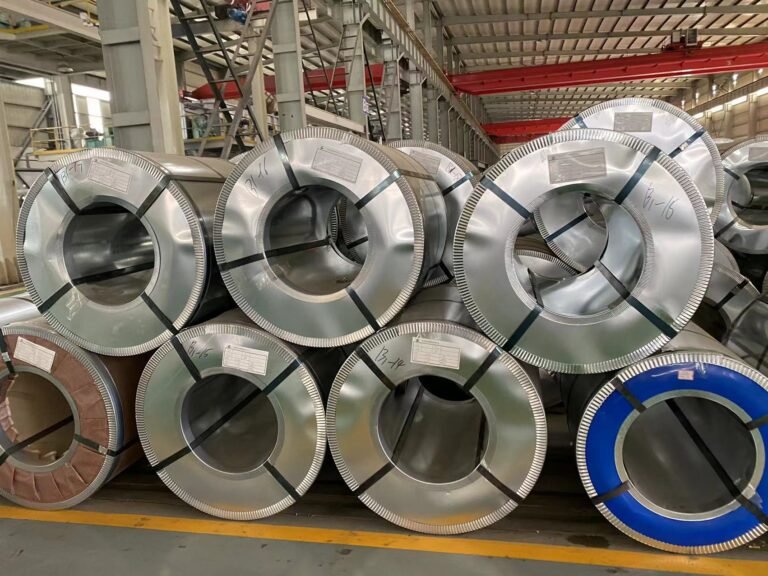
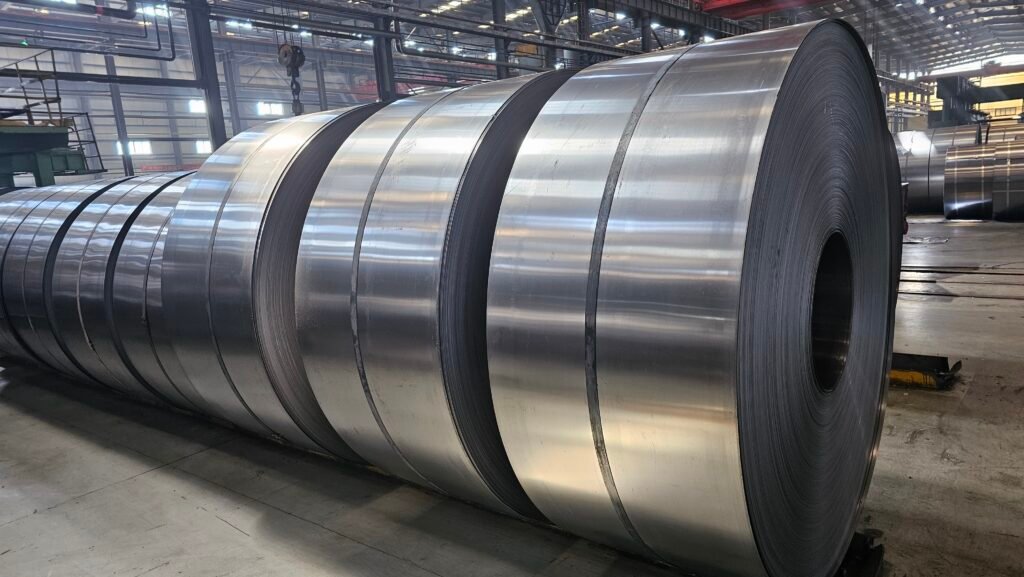
- Technology Transfer: Partnerships with international technology leaders like Germany’s Salzgitter, which is already supplying green steel coils to South African manufacturers.
- Economies of Scale: As production scales, costs are projected to decline significantly. Kenya’s analysis suggests green hydrogen production could become competitive by the late 2030s under favorable conditions.
- Market Development: With Africa’s per capita steel consumption at only 24 kilograms (one-tenth of the global average), domestic demand growth could support scale economies.
5 Conclusion
Africa’s green steel industry represents both a tremendous opportunity and a significant challenge. The continent possesses fundamental advantages in renewable resources and mineral wealth, but must overcome substantial technical and infrastructure barriers. The cost premium for green steel production, currently estimated at 20-50% above conventional methods, remains a significant barrier.
However, Africa’s combination of low production costs, high-quality raw materials, and proximity to major markets positions it as a potentially disruptive force in global steel trade. With strategic investments in infrastructure, technology transfer, and policy frameworks, Africa could not only meet its own growing steel needs sustainably but also emerge as a significant exporter of green steel products to international markets.
The successful development of Africa’s green steel industry will require strategic coordination between governments, private sector actors, and international partners. As the continent continues to industrialize, green steel production offers a pathway to sustainable economic development that leverages Africa’s natural advantages while contributing to global decarbonization efforts.