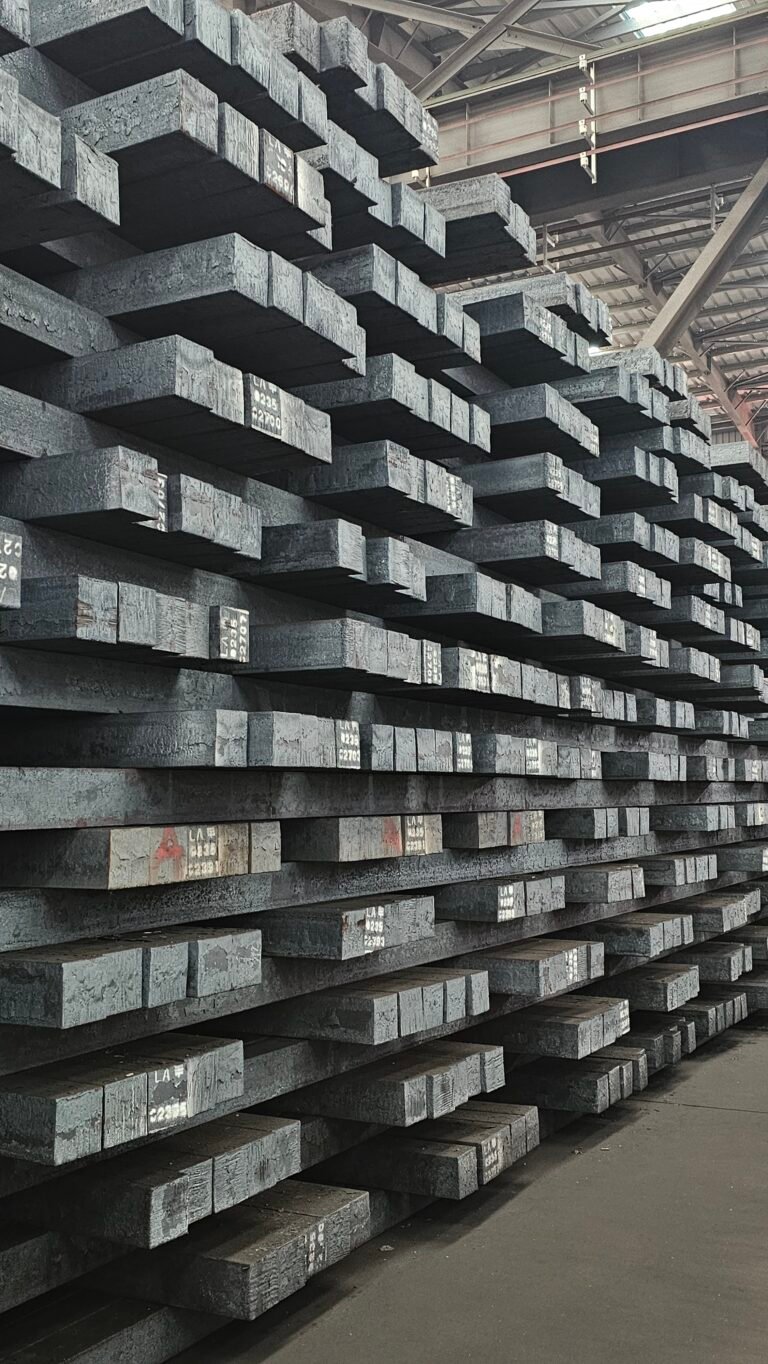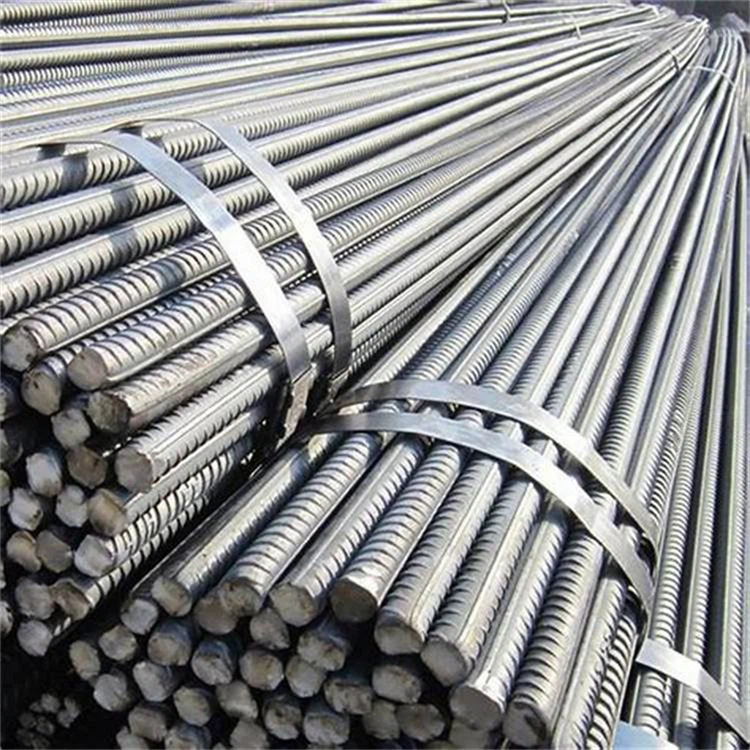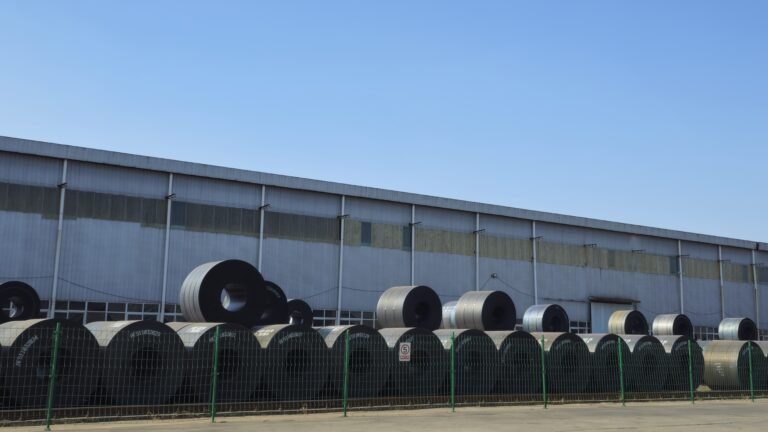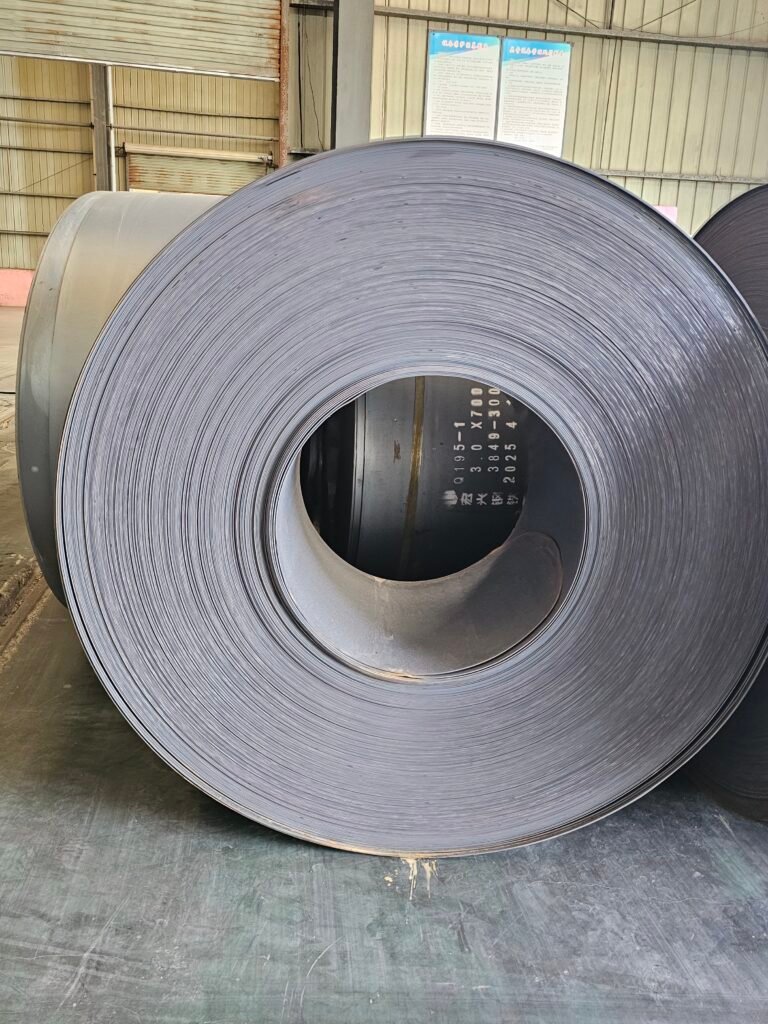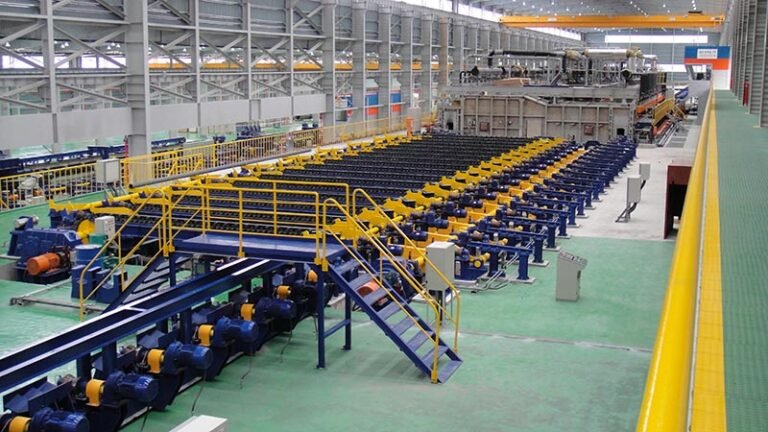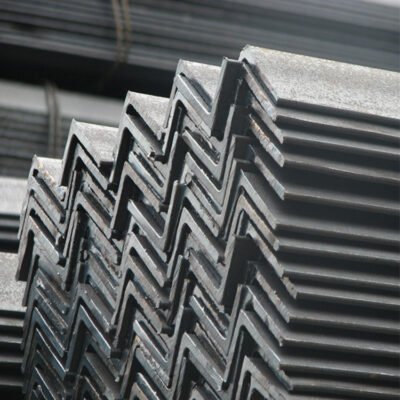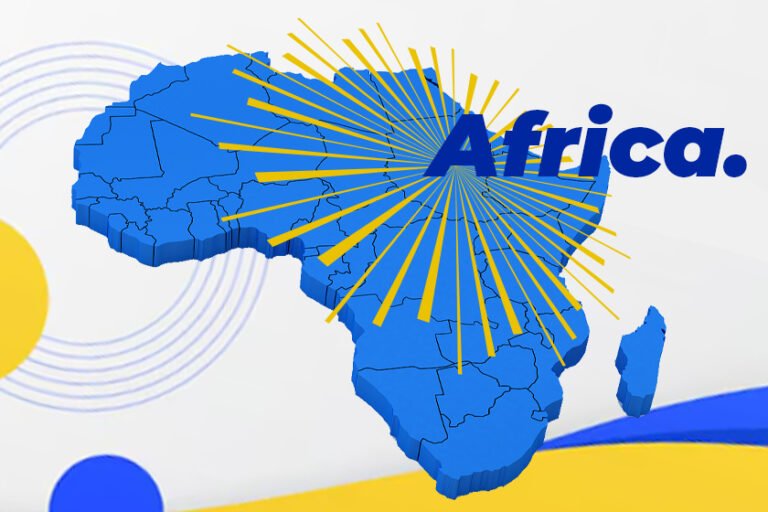
Africa’s industrial future is at a pivotal crossroads. With the global steel industry accounting for 7-9% of worldwide greenhouse gas emissions, the continent stands at the intersection of unprecedented opportunity and significant challenges in embracing green steel production . While Africa possesses 39% of global renewable energy potential and vast mineral resources essential for green steel production, it also faces substantial technical barriers that must be overcome to realize this potential . This article examines the promising prospects and practical challenges of implementing green steel technologies across Africa.
The Renewable Energy Advantage
Africa’s exceptional solar resources provide a fundamental advantage for green steel production. The continent’s solar radiation levels make it the most competitive region for green hydrogen production, a key component in decarbonizing steel manufacturing . According to the Climate Action Platform for Africa (CAP-A), an electricity system featuring solar, wind, and battery storage would cost 50% more in Spain compared to Kenya, and 17% more than in Nigeria . This cost advantage means solar energy can deliver reliable power across large parts of Africa with significantly less battery storage capacity required than in many other regions.
The potential extends beyond cost savings. Jack Kimani, CEO of CAP-A, emphasizes that “to unlock that renewable energy potential, you do require anchor demand, you do require the heavy energy industry and the consuming industry that makes it bankable to invest in renewable energy” . The steel industry could provide this anchor demand, creating a virtuous cycle where industrial offtake enables renewable energy development, which in turn makes green steel production economically viable.
Emerging Green Steel Projects Across Africa
Several African nations are already pioneering green steel initiatives, each with distinct approaches tailored to their specific resources and circumstances:
Namibia’s Green Hydrogen Leadership
Namibia has positioned itself as a frontrunner in Africa’s green hydrogen race. The government has secured a $10 billion agreement with Hyphen Hydrogen Energy to develop a green ammonia project, with most output destined for European markets . While initially focused on export, this infrastructure creates a foundation for future green steel production by establishing the green hydrogen ecosystem necessary for direct reduced iron (DRI) processes.
Mauritania’s Green Iron Strategy
Mauritania, Africa’s second-largest iron producer, is pursuing an innovative path focused on “green iron” rather than complete steel production. The country’s national industrial and mining company (SNIM) signed a memorandum of understanding with ArcelorMittal to evaluate developing a 2.5-million-ton green pellet and DRI plant . This approach leverages Mauritania’s existing iron ore exports (13 million tons in 2022) while targeting a more achievable intermediate product in the green steel value chain .
South Africa’s Industrial Experiments
South African manufacturer Malben Engineering is conducting trials with green steel coils imported from Germany’s Salzgitter, representing the continent’s first documented use of green steel in automotive components . The trial involves comparing the performance of green steel, which emits 0.48 tons of CO₂ per ton produced compared to up to 2.4 tons for conventional steel . This initiative reflects growing awareness among African manufacturers that decarbonization is becoming a priority in global supply chains.
Angola’s Gas-Based Transition Model
Angola offers a different approach, leveraging its abundant natural gas resources (estimated at 11 trillion cubic feet) as a bridge technology toward greener production . With gas prices at 1.5−2/MMBtu(comparedtointernationalaveragesof3-4), Angola can develop gas-based DRI plants that generate 50% lower than traditional blast furnaces . This transition strategy acknowledges current infrastructure limitations while moving toward lower-carbon production.
Key Technological Pathways for African Green Steel
The transition to green steel in Africa will likely follow multiple technological routes, each with different requirements and applications:
Direct Reduced Iron with Green Hydrogen
The most promising long-term solution involves using green hydrogen as a reducing agent in DRI processes. This method is particularly suitable for Africa because many of its iron ore deposits, including the massive Simandou project in Guinea, contain high-grade ore ideal for DRI operations . Green hydrogen-based DRI, combined with electric arc furnaces powered by renewable energy, could enable nearly carbon-neutral steel production where conditions are favorable.
Electric Arc Furnaces with Scrap
Electric arc furnaces (EAFs) using recycled scrap metal represent another important pathway. This approach is particularly viable in urban areas with sufficient scrap accumulation and reliable electricity access. The technology is well-established and can be deployed at various scales, making it suitable for different African market sizes .
Bioenergy and Alternative Reduction Technologies
Some regions are exploring bioenergy-based reduction processes using agricultural waste or specially grown biomass. While less developed than hydrogen or EAF routes, these alternatives could provide localized solutions in areas with abundant biomass resources but limited access to other clean energy sources.
Critical Technical and Infrastructure Barriers
Despite the promising potential, Africa faces significant technical barriers that must be addressed to enable green steel production at scale:
Electricity Infrastructure Limitations
Perhaps the most immediate challenge is Africa’s limited and unreliable electricity infrastructure. More than 600 million people across the continent lack access to reliable electricity, creating a fundamental constraint for energy-intensive steel production . Brandon Davoren, a materials engineer and innovation project manager at Afriforesight, notes that “the big question is whether they’re going to have the infrastructure in place and the finance in place, given the high risks involved in places like Guinea” . This challenge is particularly acute in countries like Nigeria, where weak power and transportation infrastructure significantly hamper steel production .
Hydrogen Production and Storage Infrastructure
The development of green hydrogen capacity requires substantial investment in electrolyzers, storage, and transportation systems. Currently, Africa has limited hydrogen infrastructure, and building it will demand significant capital investment and technical expertise. While countries like Namibia are making progress, continental-scale hydrogen infrastructure remains a long-term prospect .
Technical Skills and Workforce Development
The shortage of technical skills presents another major barrier. Simon Nicholas, lead energy finance analyst for the steel sector at the Institute for Energy Economics and Financial Analysis, highlights that beyond infrastructure and financing challenges, the “availability of an appropriately trained workforce” could hold back green steel production in Africa . Developing the necessary technical expertise will require substantial investment in education and vocational training programs specifically tailored to green steel technologies.
High Capital Costs and Financing Challenges
Green steel production technologies entail significant upfront investment requirements. The higher costs compared to conventional methods make financing a critical barrier, particularly given that “this risk makes finance expensive” in many African contexts . This challenge is compounded by competition from established steel producers in other regions who benefit from existing infrastructure and different risk perceptions from financiers .
Policy Frameworks and International Mechanisms
The development of Africa’s green steel industry will be significantly influenced by policy frameworks and international cooperation mechanisms:
EU Carbon Border Adjustment Mechanism
The European Union’s Carbon Border Adjustment Mechanism (CBAM), which will fully phase in by 2026, represents both a challenge and opportunity for African steel producers . This mechanism will impose carbon costs on imports into the EU, potentially increasing the cost of steel from countries like India and China by 49-56% by 2034 . For African producers who can establish green steel production, CBAM could provide a significant competitive advantage in accessing European markets.
African Continental Free Trade Area
The African Continental Free Trade Area (AfCFTA) creates opportunities for regional integration and larger market scales that could support green steel investments . By harmonizing standards and reducing trade barriers, AfCFTA could enable green steel producers to access markets across the continent, making larger-scale production more economically viable.
International Partnerships and Technology Transfer
Collaborations between African nations and international partners, particularly China, are playing an increasingly important role in building green steel capabilities . These partnerships can facilitate technology transfer and provide necessary financing, though they must be structured to ensure long-term benefits for African economies.
Conclusion: A Measured Path Forward
Africa’s green steel future represents both a tremendous opportunity and a significant challenge. The continent possesses fundamental advantages in renewable resources and mineral wealth, but must overcome substantial technical and infrastructure barriers. The path forward will likely involve staged approaches that recognize both the urgency of climate action and the practical realities of African industrial development.
In the short to medium term, countries like Angola may leverage natural gas as a transition fuel toward lower-carbon steel production . Meanwhile, pioneers like Namibia are building the foundations for a fully green hydrogen-based steel industry . Other nations may focus initially on intermediate products like “green iron” that can be produced with existing infrastructure while developing capabilities for more comprehensive green steel production .
The successful development of Africa’s green steel industry will require strategic coordination between governments, private sector actors, and international partners. It will demand investments not only in steel production facilities but also in the renewable energy infrastructure, technical education, and policy frameworks that enable green industrialization. As Jack Kimani of CAP-A observes, “We have an opening to be able to go green from the start,” but realizing this opportunity will require that “we need to put in the work. We need to be strategic” .
With the right approaches and partnerships, Africa could not only meet its own growing steel needs sustainably but also emerge as a significant exporter of green steel products to international markets, ultimately redefining the continent’s role in the global economic order .