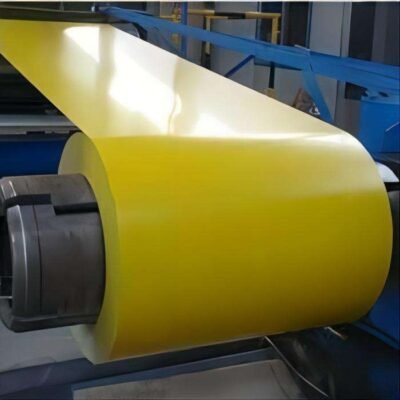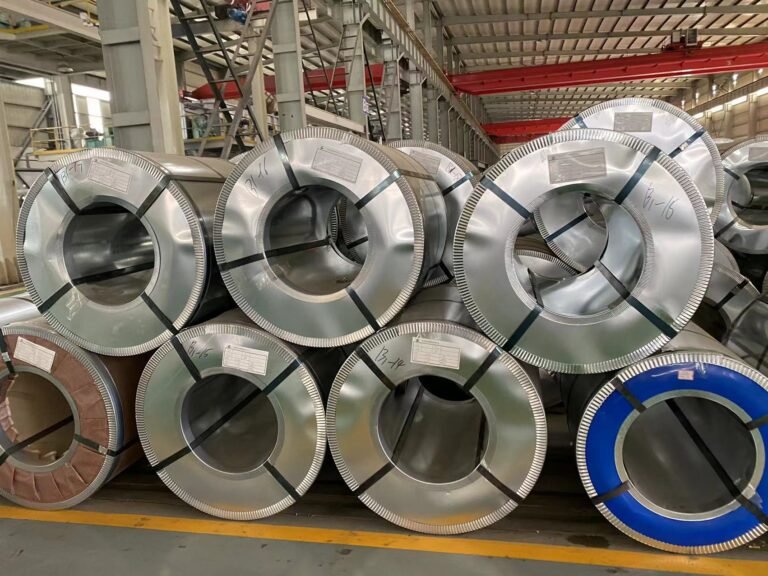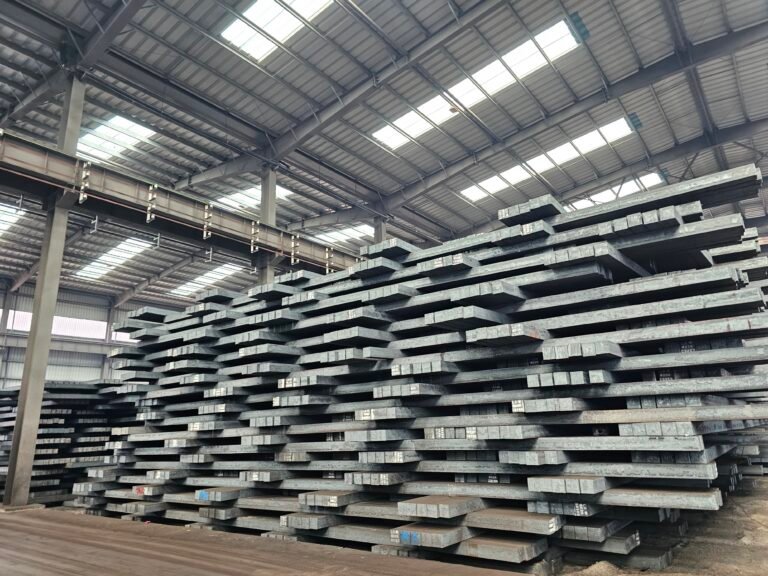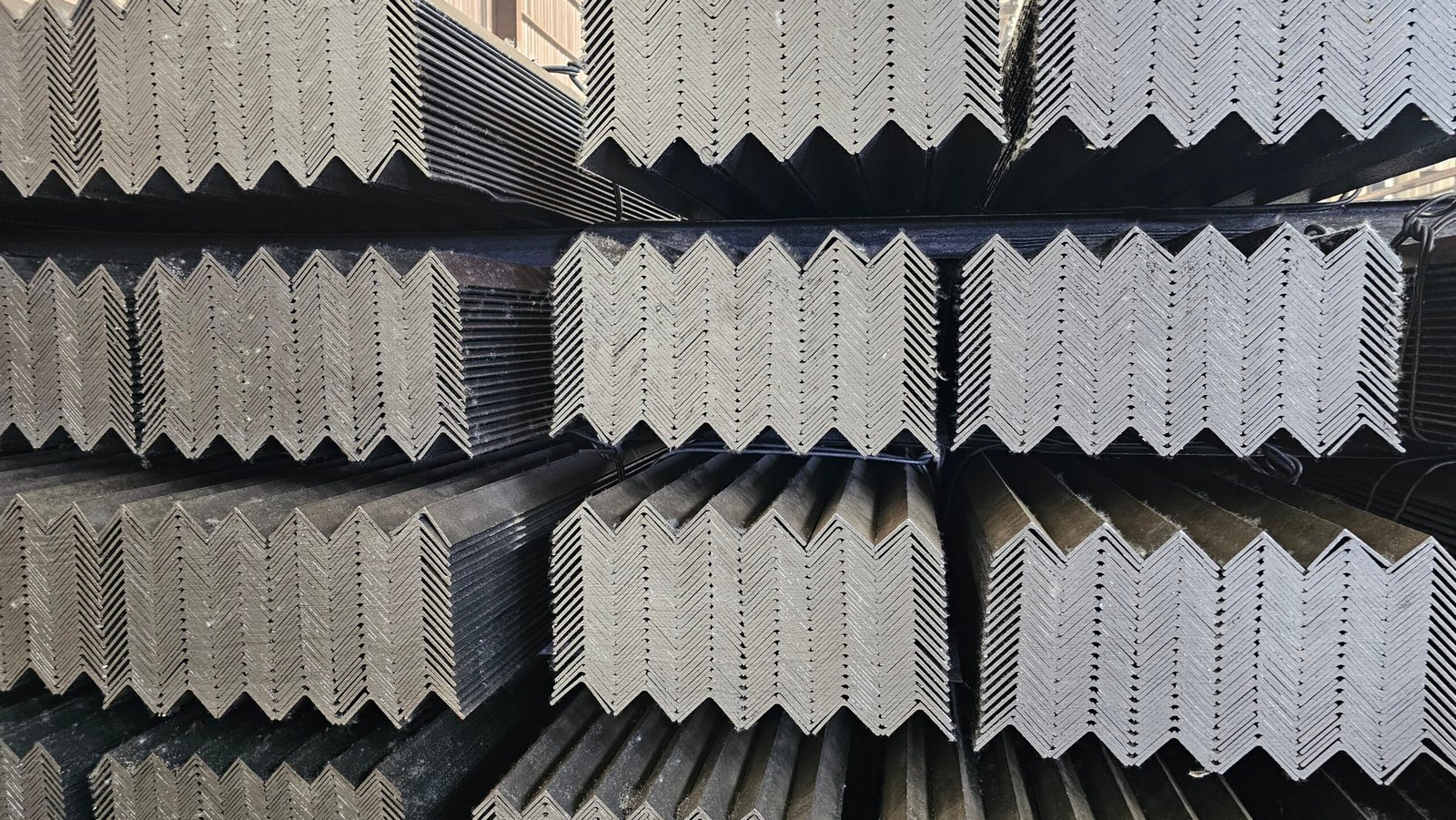
The global steel industry is quietly undergoing its most profound transformation in decades, moving from volume expansion to value creation amid regional realignments and green pressures.
The story of steel has always been intertwined with global economic development. Today, that story is being rewritten. The industry finds itself at a critical juncture, balancing between traditional operational paradigms and an increasingly complex future shaped by regional demand shifts, trade realignments, and the urgent imperative of decarbonization. Understanding these changes provides a unique window into the broader transformations occurring in the global industrial landscape.
1. Regional Rebalancing: The New Geography of Steel Demand
Global steel demand has entered a phase of marked regional divergence after decades of relatively synchronized growth. The most significant shift is occurring in China, long the dominant force in global steel. Having accounted for over half of global production, China’s steel demand is expected to decline, with its share of global demand projected to drop substantially by 2050 according to industry projections. This moderation reflects China’s economic rebalancing and maturation, with domestic demand having likely passed its peak
The emerging markets are picking up the growth baton. ASEAN nations present a particularly compelling case study in regional transformation. In 2024, ASEAN six countries (Indonesia, Malaysia, Philippines, Singapore, Thailand, and Vietnam) saw steel demand reach a historical peak of 81.2 million tons, an 8% year-on-year increase . This growth is largely fueled by foreign investment and rapid industrialization across the region.
Similarly, Turkey has emerged as a significant player, now ranking as the world’s eighth largest steel producer. The country’s crude steel capacity is expected to expand from current 60 million tons to 90 million tons by 2050, driven partly by reconstruction needs following the 2023 earthquake and ongoing infrastructure development .
Meanwhile, mature economies like Japan tell a different story. Japanese steel demand has declined significantly from its peak of 90 million tons to approximately 50 million tons today, with this downward trend expected to continue as the country’s economic structure evolves .
graph TD
    A[Global Steel Demand] --> B[Emerging Markets Growth]
    A --> C[Established Markets Contraction]

    B --> B1[ASEAN +8% Growth]
    B --> B2[Turkey 60M→90M Tons]
    B --> B3[Infrastructure Driven]

    C --> C1[Japan 90M→50M Tons]
    C --> C2[China Demand Peak]
    C --> C3[Value Over Volume]
2. The Green Steel Transition: Challenges and Pathways
Decarbonization represents arguably the most significant transformation in the steel industry’s modern history. Currently responsible for approximately 7-8% of global CO₂ emissions, the sector faces mounting pressure from regulators, investors, and customers to reduce its carbon footprint .
The industry is exploring multiple technological pathways for low-carbon steel production. The scrap-EAF route (electric arc furnace) is expanding in regions with abundant scrap resources, while the natural gas/hydrogen-DRI-EAF route offers a transitional pathway from gas toward green hydrogen. Meanwhile, the green BF-BOF route focuses on incorporating carbon capture and efficiency improvements into existing blast furnace technology .
Regional approaches to decarbonization reflect local resources and priorities. Japanese steel giants are investing in hydrogen reduction technologies and wider adoption of energy efficiency measures like dry quench coke and blast furnace gas pressure recovery, aiming to reduce CO₂ emissions by approximately 80 million tons by 2030 . Turkish steel producers are actively seeking international partnerships to address their green steel challenges, particularly in digitalization and green technology .
Despite these emerging alternatives, traditional blast furnaces are expected to remain central to global steel production, projected to account for approximately 50% of output as late as 2050. This continuity presents a significant decarbonization challenge, given these assets’ long operational lifespans .
3. Trade Realignments and Geopolitical Influences
The global steel trade landscape has become increasingly fragmented, reshaped by tariff barriers, environmental regulations, and strategic realignments. The return of trade protectionism has significantly disrupted traditional trade flows, with recent years seeing numerous trade remedy cases initiated against major exporting countries .
This fragmentation is accelerating a broader shift toward regionalized supply chains. The ASEAN experience illustrates both the opportunities and challenges of this new trade environment. While the region shows strong demand growth, its import dependency remains high—imports account for over 60% of the region’s total steel需求 . This has prompted concerns and policy responses aimed at developing more self-sufficient regional capabilitie.
The resulting disruption to global trade patterns is pushing the industry toward more regionalized structures, reversing decades of globalization. For businesses operating in this environment, success increasingly depends on nuanced local strategies rather than one-size-fits-all global approaches .
4. Corporate Strategy: From Volume to Value
Facing a challenging environment in many markets, leading steel companies are fundamentally rethinking their business models and strategic priorities. The traditional volume-driven approach is giving way to strategies focused on specialization, differentiation, and value-added services .
Chinese steelmakers are increasing their R&D investment significantly, with some leading companies raising their R&D intensity from less than 2% to nearly 4% in recent years. This increased innovation focus has produced hundreds of products that fill gaps in domestic and international markets . The strategic priority has shifted from “how to expand production capacity” to “how to strengthen capabilities and develop distinctive advantages” .
Japanese steelmakers, facing similar demand contraction, have pursued high-value product specialization and capacity rationalization. Rather than competing on cost alone, they have focused on advanced grades for specialized applications in automotive, electronics, and other precision industries .
Digital transformation represents another critical strategic frontier. Japanese and Chinese steelmakers are collaborating on developing international standards for smart manufacturing, while companies are actively applying AI to optimize processes from blast furnace temperature control to production planning and logistics .
Table: Strategic Responses to Industry Challenges
| Challenge | Traditional Approach | Evolving Strategy | Examples |
|---|---|---|---|
| Oversupply | Cost reduction | Product differentiation, specialty steels | Japanese high-grade steels for specialized applications |
| Low margins | Volume expansion | Value-added services, technical support | Chinese steelmakers increasing R&D intensity to 4% |
| Sustainability compliance | Compliance minimums | Green technology leadership, circular models | Japanese hydrogen reduction technology investments |
| Market volatility | Inventory optimization | Flexible production, supply chain integration | ASEAN strategies to balance import dependency with local capacity |
5. Future Outlook: Pathways Forward
The global steel industry stands at a crossroads, balancing between traditional operational paradigms and an increasingly complex future. Success in the coming decade will depend on navigating multiple transitions simultaneously: from volume to value, from global to regional, and from carbon-intensive to decarbonized production .
Industry leaders point to several critical capabilities that will distinguish successful companies. The ability to adapt to diverse urban demand patterns is crucial, requiring different approaches for redevelopment in mature cities versus infrastructure building in emerging economies. Strategic positioning in the changing trade landscape demands balancing regional self-sufficiency with selective global specialization. Perhaps most importantly, the pace of decarbonization investment must align with evolving regulatory frameworks and customer sustainability requirements .
While the industry faces significant headwinds, its fundamental importance to economic development and infrastructure ensures continued relevance. The companies that thrive will be those that recognize the new sources of competitive advantage in a transformed global landscape—innovation, sustainability, and customer partnership rather than scale alone .
As the industry continues to evolve, the consensus among leaders is clear: green transformation is an inevitable necessity, but it must be pursued in ways that reflect regional resources and circumstances. Similarly, intelligent manufacturing will redefine production efficiency and supply chain resilience, while mutually beneficial international cooperation remains crucial for addressing shared challenges .
The transformation ahead is challenging, but it also offers the opportunity to build a more sustainable, efficient, and resilient industry fit for the demands of the 21st century—an industry that continues to provide essential materials for economic development while dramatically reducing its environmental footprint .