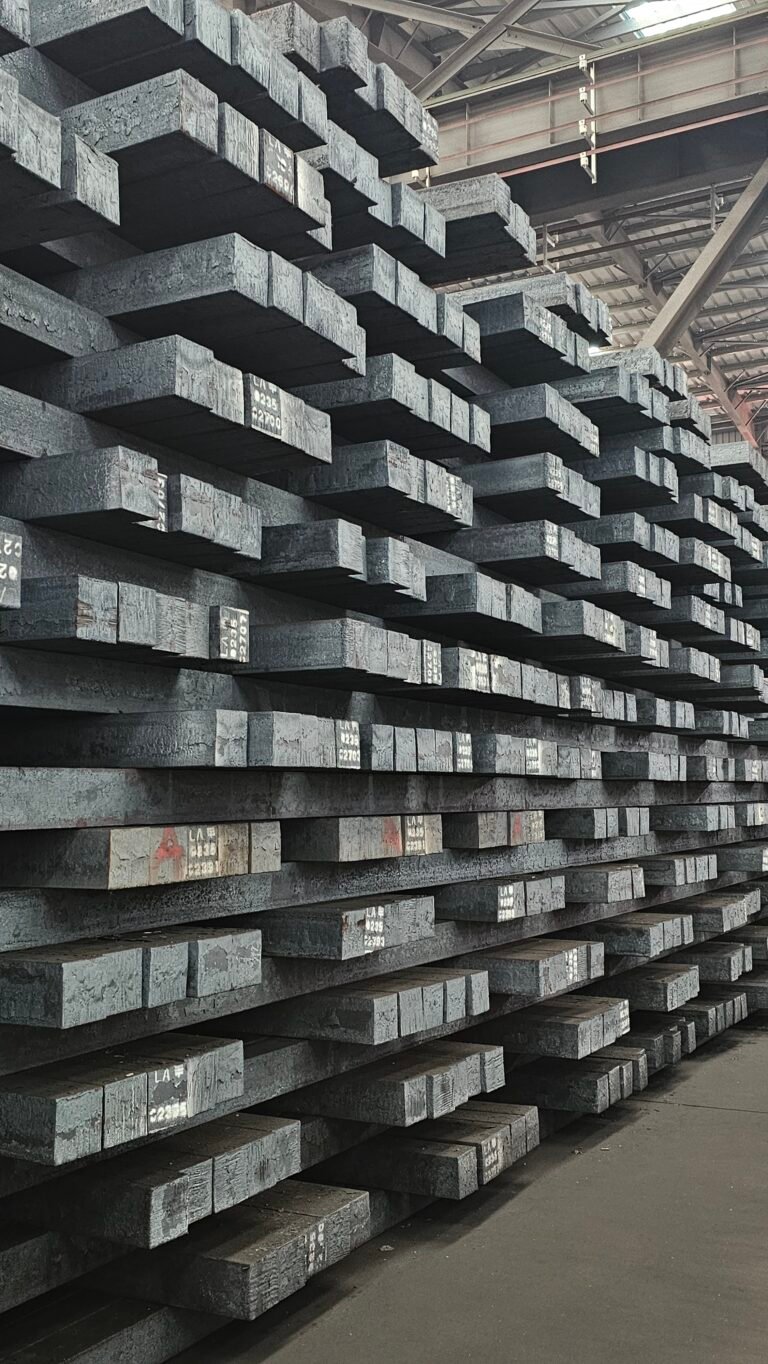
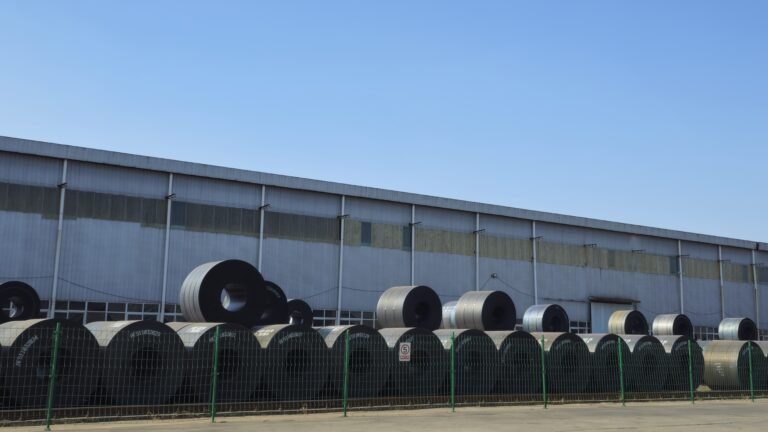
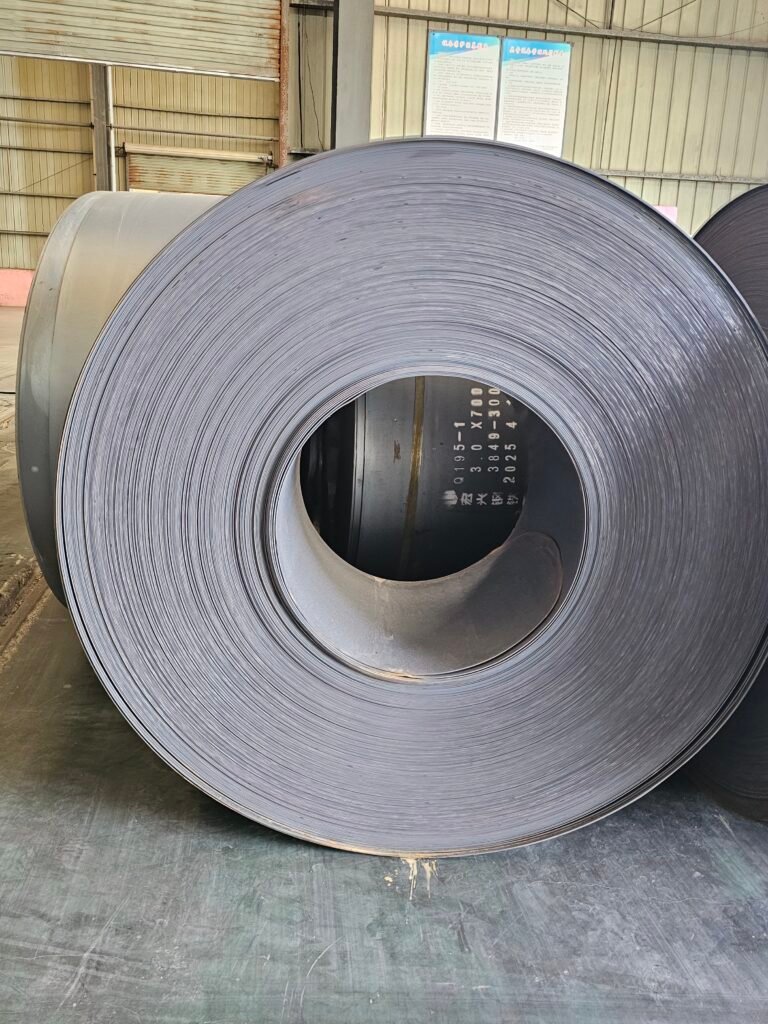
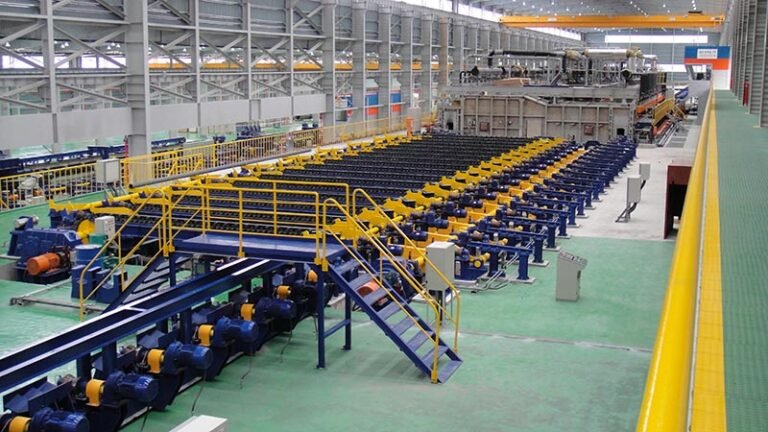
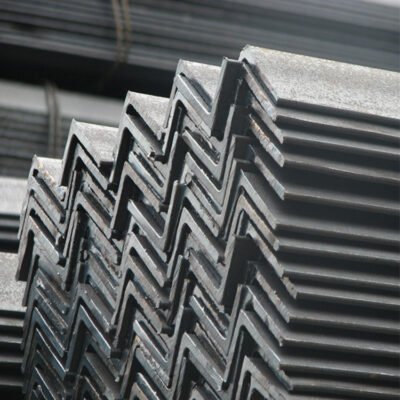
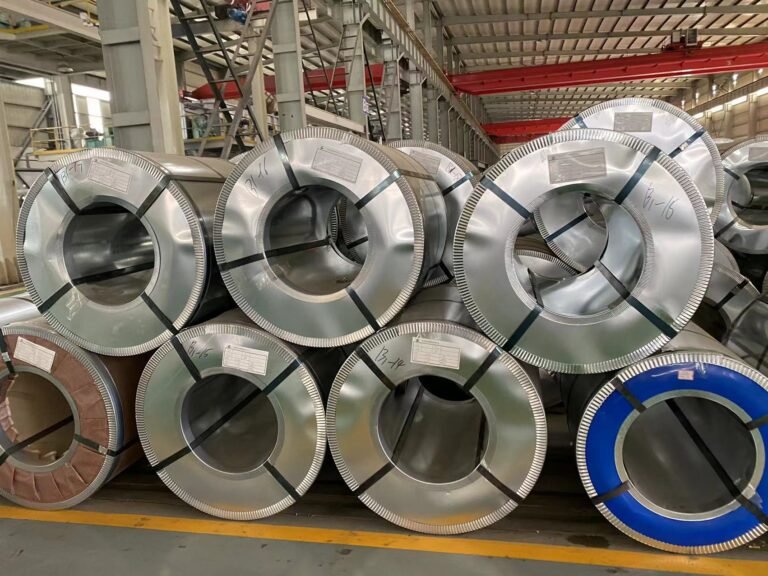
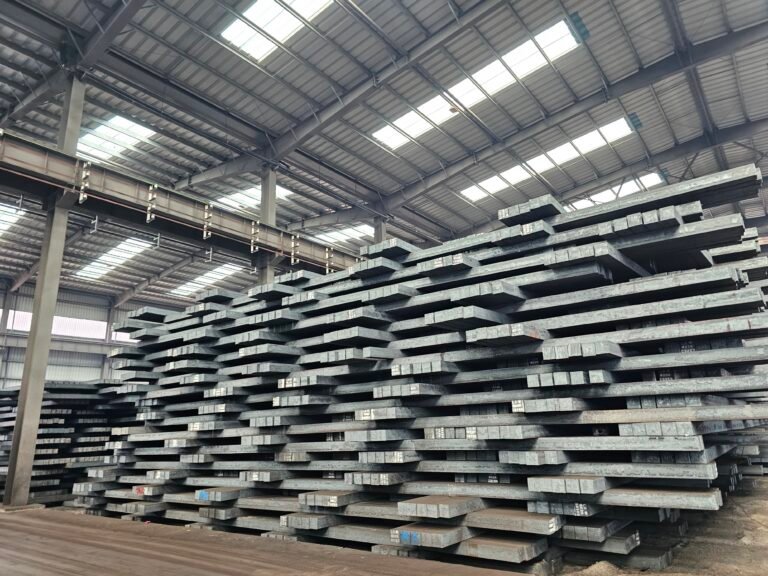
The global steel industry, responsible for approximately 20% of industrial carbon emissions, is undergoing its most significant transformation in decades.
The global steel industry, a cornerstone of modern infrastructure and economic development, is navigating a period of unprecedented change. As of 2025, the sector faces a complex interplay of challenges and opportunities—from shifting demand patterns and trade realignments to the urgent imperative of decarbonization. This article explores the key trends reshaping the world steel market and how industry players are adapting to this new era of uncertainty and transformation.
1. Evolving Demand Patterns: The “Peak Steel” Phenomenon
Global steel demand has entered a phase of markedly slower growth after decades of rapid expansion. According to World Steel Association data, the period from 2020 to 2024 witnessed fluctuating growth rates, with compound annual growth rates alternating between modest gains and declines . This trend signals a fundamental shift from the industry’s historical growth trajectory.
China’s role as the dominant market is gradually evolving. Having accounted for over half of global production, China’s share of global steel demand is projected to decline from 48.2% in 2025 to 47.2% in 2026 . This moderation reflects China’s economic rebalancing and maturation, with domestic demand having likely passed its peak.
- Regional disparities: While developed economies show saturated or declining steel consumption, emerging markets—particularly India and Southeast Asian nations—are becoming increasingly important demand drivers. Africa is expected to emerge as a new growth frontier in the coming decades .
- Sectoral shifts: Traditional demand drivers like construction and automotive manufacturing are evolving, with advanced economies focusing on maintenance and replacement while developing regions continue to build new infrastructure.
The industry has moved from a mindset of perpetual expansion to one of quality over quantity, with producers increasingly competing on value rather than volume .
2. Trade Realignments and Geopolitical Influences
The global steel trade landscape has become increasingly fragmented, reshaped by tariff barriers, environmental regulations, and strategic realignments. The United States’ “Section 232” tariffs, which have raised import duties on steel to as high as 70% for some products, have significantly disrupted traditional trade flows .
Table: Global Steel Trade Developments (2023-2025)
| Trend | Impact | Regional Examples |
|---|---|---|
| Rising trade remedies | Increased trade friction | 33 cases against Chinese exports in 2024 |
| Carbon border adjustments | Emerging cost for high-carbon imports | EU Carbon Border Adjustment Mechanism |
| Supply chain regionalization | Movement toward local production | “Near-market, near-resource” capacity布局 |
China’s steel exports have shown a pattern of “volume increases amid price declines”. From 2023 to the first half of 2025, export volumes grew by 36.2%, 22.7%, and 9.2% respectively, while average export prices fell by 34.7%, 19.4%, and 10.3% during the same periods . This trend has triggered a surge in trade remedy cases, with 33 initiated against Chinese products in 2024 alone—equivalent to the total from the previous four years combined .
The fragmentation of international markets is accelerating, with the United States’ tariff policies sparking similar measures by the EU, Canada, Turkey, and India . The resulting disruption to global trade patterns is pushing the industry toward more regionalized structures, reversing decades of globalization.
3. The Green Transition: Decarbonization Imperative
Decarbonization represents the most significant transformation in the steel industry’s modern history. Currently responsible for approximately 7% of global CO₂ emissions, the sector faces mounting pressure from regulators, investors, and customers to reduce its carbon footprint .
The World Steel Association outlines three emerging technological pathways for low-carbon steel production:
- Scrap-EAF route: Expanding in regions with abundant scrap resources
- Natural gas/hydrogen-DRI-EAF route: Transitioning from gas to green hydrogen
- Green BF-BOF route: Incorporating carbon capture and revolutionary efficiency improvements
Despite the emergence of these new technologies, traditional blast furnaces are expected to remain central to global steel production, projected to account for approximately 50% of output as late as 2050 . This continuity highlights the significant challenge of decarbonizing existing assets with long operational lifespans.
“If we don’t take any action, by 2050 the steel industry’s CO₂ emissions will increase from 3.6 billion tons to 4 billion tons. If we actively promote carbon reduction, we could achieve 20-40% reduction.” — Edwin Basson, World Steel Association Director General
The cost of transition remains a substantial barrier, with massive investments required in new production technologies, clean energy infrastructure, and carbon capture systems. Policy support and developing markets for green steel premiums will be crucial to enabling this transformation.
4. Corporate Strategy: From Volume to Value
Facing a “peak steel” environment in many markets, leading companies are fundamentally rethinking their business models and strategic priorities. The traditional volume-driven approach is giving way to strategies focused on specialization, differentiation, and value-added services.
Major producers are transitioning from being mere suppliers of standardized products to becoming comprehensive “material solutions providers” . This shift involves deeper integration into customers’ value chains and developing application-specific products with enhanced performance characteristics.
Table: Strategic Responses to Industry Challenges
| Challenge | Traditional Approach | Evolving Strategy |
|---|---|---|
| Oversupply | Cost reduction | Product differentiation, specialty steels |
| Low margins | Volume expansion | Value-added services, technical support |
| Sustainability compliance | Compliance minimums | Green technology leadership, circular models |
| Market volatility | Inventory optimization | Flexible production, supply chain integration |
Chinese steelmakers like HBIS Group have increased their R&D investment by more than 25% annually, raising their R&D intensity from less than 2% to nearly 4% in recent years . This increased innovation focus has produced over 300 products that fill gaps in domestic and international markets .
Japanese steelmakers, facing similar challenges, have pursued high-value product specialization and capacity rationalization . Rather than competing on cost alone, they have focused on advanced grades for specialized applications in automotive, electronics, and other precision industries.
5. Regional Spotlights: Divergent Trajectories
The steel industry’s transformation is unfolding differently across regions, reflecting varying stages of economic development, resource endowments, and policy environments.
- China: The world’s largest producer is navigating a transition from quantity to quality, with the government implementing production controls to balance supply and demand. Profitability has been challenging, with the industry’s profit margin ranking among the lowest in China’s industrial sector .
- India: Emerging as the primary growth engine for the global industry, with ambitious expansion plans supported by domestic resource advantages and strong demand growth. The country is expected to account for an increasing share of global production in coming years .
- European Union: Focused on decarbonization amid high energy costs and stringent climate policies. European producers are pioneering hydrogen-based steelmaking and circular economy approaches, though facing competitive pressures from imports.
- United States: Protected by tariff barriers but facing higher production costs. Investment is flowing into electric arc furnace capacity, leveraging the country’s substantial scrap resources.
The emerging world is expected to account for 72% of global steel demand, prompting the industry to shift its focus accordingly . This reorientation represents a fundamental change from the historical pattern where developed economies dominated consumption.
Conclusion: Pathways Forward
The global steel industry stands at a crossroads, balancing between traditional operational paradigms and an increasingly complex future. Success in the coming decade will depend on navigating multiple transitions simultaneously: from volume to value, from global to regional, and from carbon-intensive to decarbonized production.
Three critical capabilities will distinguish industry leaders:
- Adaptation to diverse urban demand patterns, from redevelopment in mature cities to infrastructure building in emerging economies
- Strategic positioning in the changing trade landscape, balancing regional self-sufficiency with selective global specialization
- Pace of decarbonization investment, aligning with evolving regulatory frameworks and customer sustainability requirements
While the industry faces significant headwinds, its fundamental importance to economic development and infrastructure ensures continued relevance. The companies that thrive will be those that recognize the new sources of competitive advantage in a transformed global landscape—innovation, sustainability, and customer partnership rather than scale alone.
As the World Steel Association’s Edwin Basson concludes, steel producers must evolve into “material solution providers, smart manufacturers, and carbon-neutral ecosystem builders” to succeed in this new era . The transformation will be challenging, but it also offers the opportunity to build a more sustainable, efficient, and resilient industry fit for the 21st century.