Introduction
Steel, the backbone of modern society, has long been a barometer of economic development. From skyscrapers to household cars, from infrastructure to industrial equipment, steel is ubiquitous. However, the global steel market is currently undergoing a silent transformation—a reshaping of the global demand pattern, diverging regional development paths, and pressure for green transitioncollectively form the main themes of the industry’s development. According to the latest data from the World Steel Association, global steel demand in 2025 is expected to remain largely flat compared to 2024, maintaining a level of approximately 1.75 billion metric tons, while 2026 is anticipated to see a modest increase of 1.3%, reaching 1.772 billion metric tons . This article provides an in-depth look at the latest dynamics of the global steel market, analyzing the economic logic and development trends behind the numbers.

1 Global Steel Demand Trends: Regional Divergence in Growth
The latest short-term demand forecast report released by the World Steel Association in October 2025 indicates that the global steel market is exhibiting a pattern of significant regional divergence. This divergence not only reflects the developmental disparities among economies but also reveals profound structural changes in the global economy.
Table: Steel Demand Forecast for Major Global Regions, 2025-2026
| Region | Projected Growth Rate 2025 (%) | Projected Growth Rate 2026 (%) | Main Drivers/Constraints |
|---|---|---|---|
| Global | Basically Flat | +1.3% | Developed market recovery, developing market growth |
| China | -2.0% | -1.0% | Real estate market adjustment, manufacturing transition |
| India | +9.0% | +9.0% | Broad-based growth across sectors, accelerated investment |
| USA | +1.8% | +1.8% | Infrastructure spending, residential construction recovery |
| EU + UK | +1.3% | +3.2% | Increased infrastructure and defense spending |
| Africa | +5.5% | Continued Growth | Construction sector recovery, improved macroeconomics |
Mr. Alfonso Hidalgo de Calcerada, Chairman of the World Steel Association’s Market Research Committee, commented: “Despite a significant escalation in the global trade war and persistent uncertainties, we are cautiously optimistic that global steel demand will bottom out in 2025 and achieve moderate growth in 2026. This positive forecast is based on the resilience shown by the global economy, continued strong public infrastructure investment in most of the world’s major economies, and an expected easing of financing conditions” .
2 In-Depth Regional Market Analysis
2.1 China: Demand Decline Moderates, Focus on Property Market Adjustment
As the world’s largest steel producer and consumer, trends in Chinese steel demand are decisive for the global market. The World Steel Association forecasts a further decline in China’s steel demand of about 2.0% in 2025. This projection suggests a moderation in the downward trend that began in 2021, primarily driven by the ongoing slump in the real estate market. By 2026, as the property market is expected to bottom out, the rate of decline is projected to slow further to 1.0% .
Data from the China Iron and Steel Association (CISA) shows that the average daily crude steel output of key member steel enterprises in late October 2025 was 1.817 million tons, down 9.8% from the previous ten-day period; steel inventories stood at 14.63 million tons, down 11.8% from the previous period . These figures indicate that the Chinese steel industry is responding to demand changes through production discipline, striving to maintain market balance.
Trend Observation: The Chinese steel market is shifting from “incremental expansion” to “stock optimization.” Future competition will focus more on quality and efficiency rather than scale.
2.2 India and ASEAN: New Engines of Global Steel Growth
In stark contrast to China, India and some ASEAN nations are experiencing robust growth in steel demand. The World Steel Association predicts that India’s steel demand will maintain high growth of about 9% in both 2025 and 2026. By 2026, India’s steel demand is expected to be 75 million tons higher than in 2020 .
This remarkable growth is driven by several factors:
- Large-scale infrastructure construction: The “Make in India” policy has spurred significant industrialization and urbanization demand.
- Young demographic structure: A large young population drives demand for housing, consumption, and infrastructure development.
- Influx of foreign investment: Global supply chain diversification strategies have made India a key destination for manufacturing relocation .
Furthermore, ASEAN countries like Vietnam and Indonesia are also demonstrating strong growth potential, emerging as new forces in the global steel market .
2.3 Developed Markets: Divergent Trends in a Moderate Recovery
After three consecutive years of declining demand, the steel market in developed economies is expected to recover in 2026, with an overall growth rate of 1.5%. However, performance varies significantly by region.
Strong Recovery in Europe and the US: Steel demand in the EU and UK is forecast to grow by 1.3% in 2025 and 3.2% in 2026. This recovery is primarily fueled by increased infrastructure and defense spending, alongside improved macroeconomic conditions such as lower inflation, easier credit conditions, and rising real household incomes .
The US market also shows signs of rebounding. Due to front-loading of production ahead of anticipated tariff hikes and sustained infrastructure spending, US steel demand is projected to rebound by 1.8% in 2025. Another 1.8% growth is expected in 2026, supported by pent-up demand in the residential construction sector and private investment, easing financing conditions, and reduced uncertainty .
Continued Weakness in Japan and South Korea: In contrast to Europe and the US, weak steel demand in Japan and South Korea is expected to persist into 2026. This difference reflects the varying industrial structures and developmental stages of these economies .
2.4 Africa and Latin America: Promising Emerging Markets
The African steel market is undergoing a significant transformation. The World Steel Association reports that after nearly a decade of stagnation around 35-40 million tons since the mid-2010s, the African continent began a notable change starting in 2023, with clear signs of strong recovery in the construction sector and steel consumption .
Over the past three years, steel demand in Africa has grown at an average annual rate of 5.5%, driven mainly by robust growth in North and East Africa. This new momentum is expected to lift African steel demand to about 41 million tons in 2025, benefiting from improved macroeconomic fundamentals and governance .
Latin America also shows signs of recovery. The World Steel Association projects relatively strong growth of 5.5% in steel demand for Central and South America in 2025. This growth is primarily fueled by a double-digit rebound in Argentina and steady growth of 5.0% in Brazil, where government-supported welfare housing programs continue to boost steel consumption in construction .

3 Market Prices and Cost Dynamics
3.1 Steel Price Trends: Bottoming Out and Seeking Balance
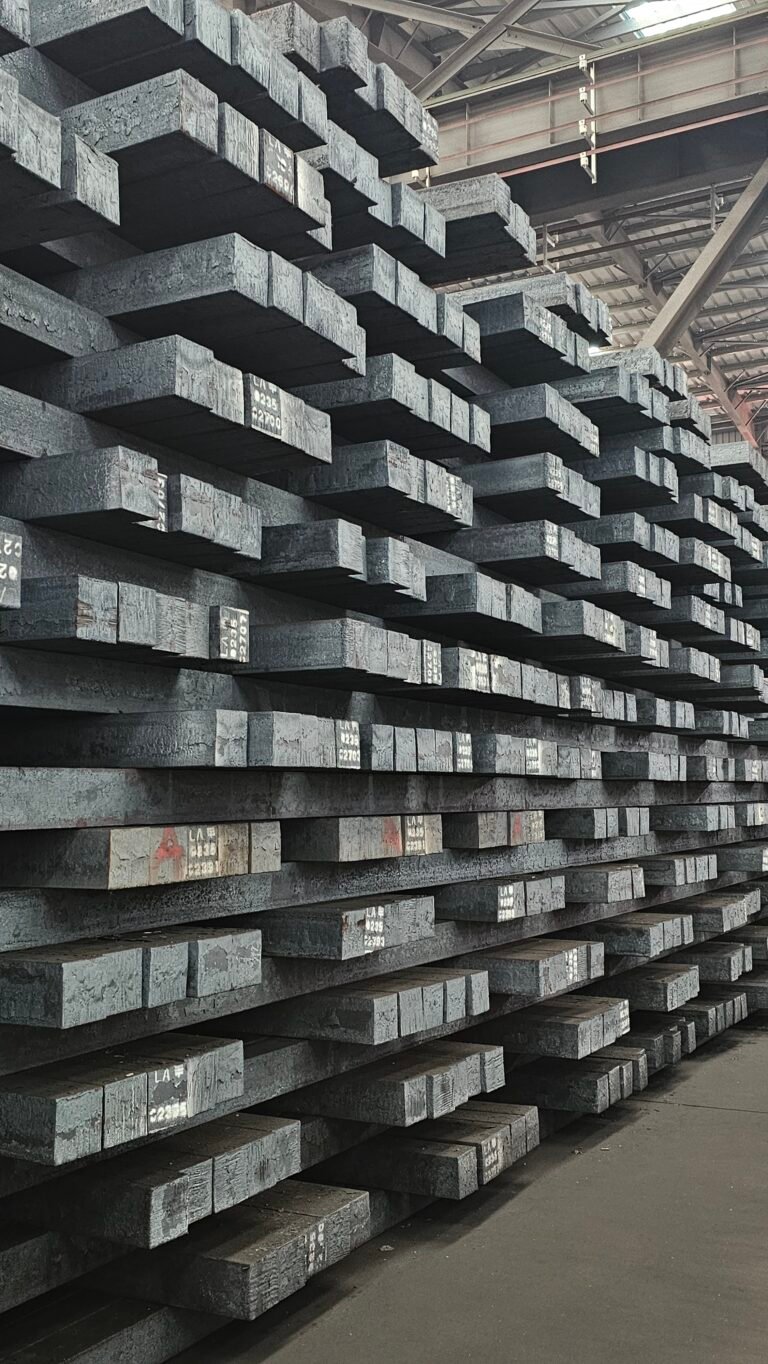
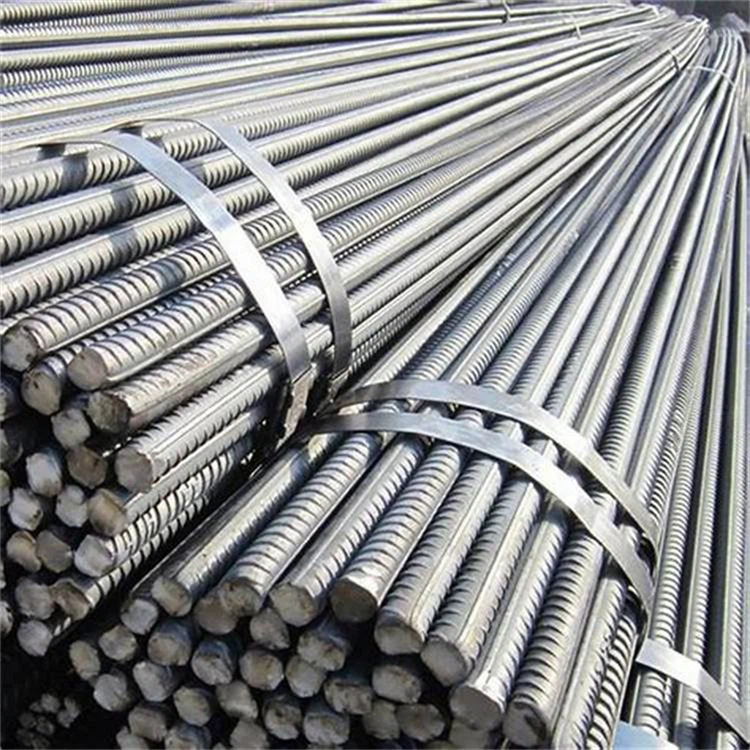
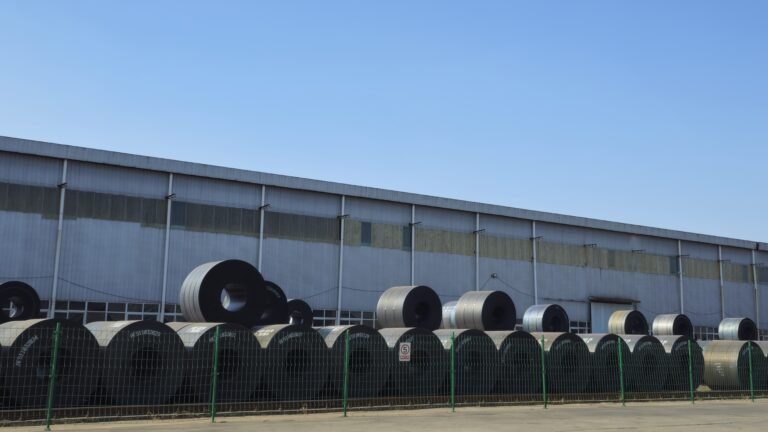
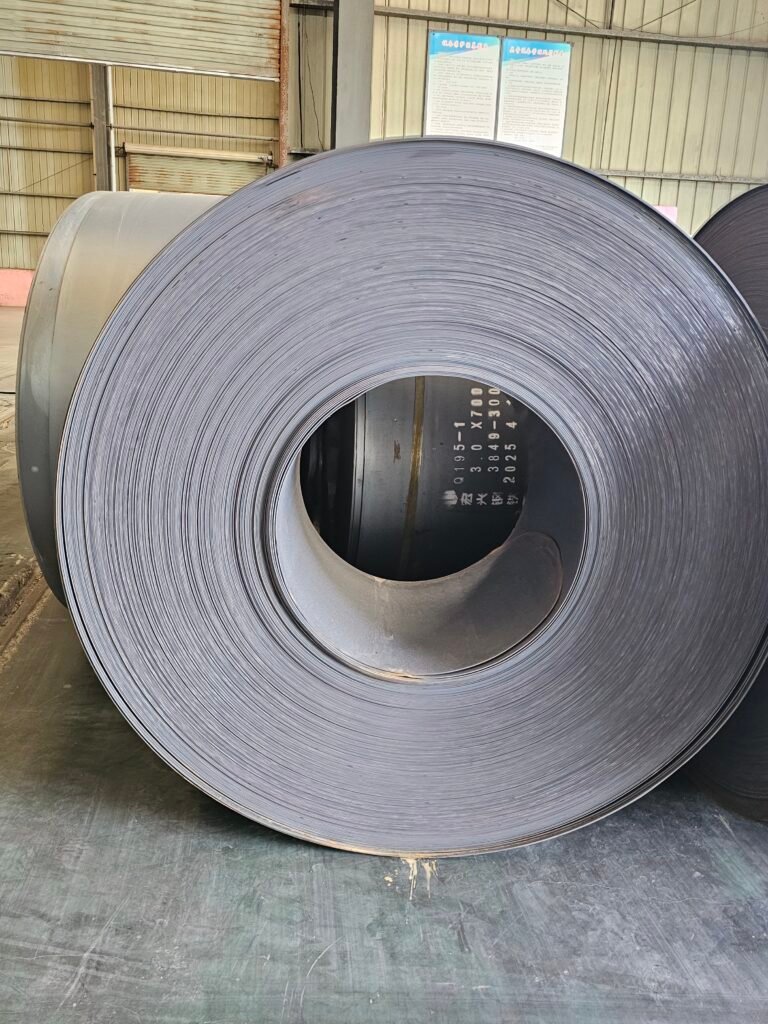
Recently, global steel prices have shown signs of bottoming out and stabilizing. Taking the Chinese market as an example, on the morning of November 6, 2025, the main rebar futures contract (Jan 2026) was trading stronger, up 0.26% at 3,033 yuan/ton; the hot-rolled coil futures contract (Jan 2026) settled at 3,267 yuan/ton, up 0.55% .
Spot steel prices also showed signs of stopping their decline. In most major cities, prices held steady, with only a few markets experiencing minor declines or increases. This regional variation reflects differing supply and demand fundamentals .
Stabilization in the futures markethas provided confidence to the spot market. As most steel mills are incurring losses, increased production cuts and maintenance are expected, which will help alleviate supply-demand contradictions and provide a floor for prices .
3.2 Cost Analysis: Firm Raw Material Prices Squeeze Mill Profits
Steel production costs remain high, severely squeezing mill profit margins. Specifically:
- Strong Coking Coal/Coke Prices: As of early November 2025, coke had completed its third price increase cycle, rising by 50-55 yuan/ton, with a cumulative increase of 150-165 yuan/ton. The price for mainstream quasi-first-grade dry quenching coke in Shanxi reached 1,630-1,700 yuan/ton .
- Iron Ore Fluctuations: While relatively stable, iron ore prices remain volatile at high levels. On November 5, 2025, iron ore futures were adjusting, with the main contract settling at 776 yuan/ton .
- Widespread Mill Losses: With rising costs and falling steel prices, the average loss for sampled steel mills in Tangshan on November 5, 2025, was 171 yuan/ton for billet. As losses widen, steel production is expected to decrease slightly in the near term .
4 Future Outlook: Challenges and Transformation
The global steel market faces multiple challenges and transformational pressures in the coming years:
4.1 Ongoing Impact of Trade Tensions
The World Steel Association explicitly states that tightening global trade environment poses a major downside risk, potentially slowing steel demand in manufacturing. Especially for economies heavily reliant on exports of steel-intensive products like machinery and automotive parts, escalating trade tensions directly and negatively impact steel demand .
4.2 Technological Pathways for Green Transition
Facing global climate change challenges, the steel industry must accelerate its green and low-carbon transition. Companies like Jingye Group have started developing advanced high-strength steels like JY1500HS for automobiles, which meets dual needs for lightweighting and safety. Using such high-strength steels helps reduce material usage, thereby lowering carbon emissions over the product lifecycle . Globally, paths diverge, with some regions focusing on hydrogen-based direct reduction and others on optimizing blast furnaces with carbon capture .
4.3 Long-term Challenge of Supply-Demand Balance
Maintaining a basic dynamic balance between supply and demand is crucial for the stable operation of the industry. CISA emphasizes that uncertainty about future market demand remains. The key to addressing this lies in adhering to legal and market principles, maintaining policy continuity and stability, and fostering industry self-disciplineto jointly safeguard market order and promote high-quality development in the steel industry .
Conclusion
The global steel market stands at a crossroads of transformation. On one hand, traditional steel-consuming regions like China are seeing peak demand recede, while emerging markets like India, ASEAN, and Africa are becoming new growth engines. This regional divergence a profound shift in the global steel industry landscape.
Simultaneously, the green and low-carbon transition has become an inevitable path for the industry’s development. Whether by increasing steel strength to reduce volume, improving production processes to lower carbon emissions, or adopting new technologies like hydrogen-based steelmaking, steel enterprises must confront the dual challenges of environmental pressure and technological innovation . Future competition in the steel market will no longer be solely about scale and cost, but a comprehensive competition involving technology, environmental performance, and sustainability.
For industry participants, insights into regional market differences, seizing opportunities in the green transition, and optimizing industry chain layouts will be key strategies for navigating future market fluctuations. While a broad-based rising market may be unlikely, structural opportunitiesremain promising .