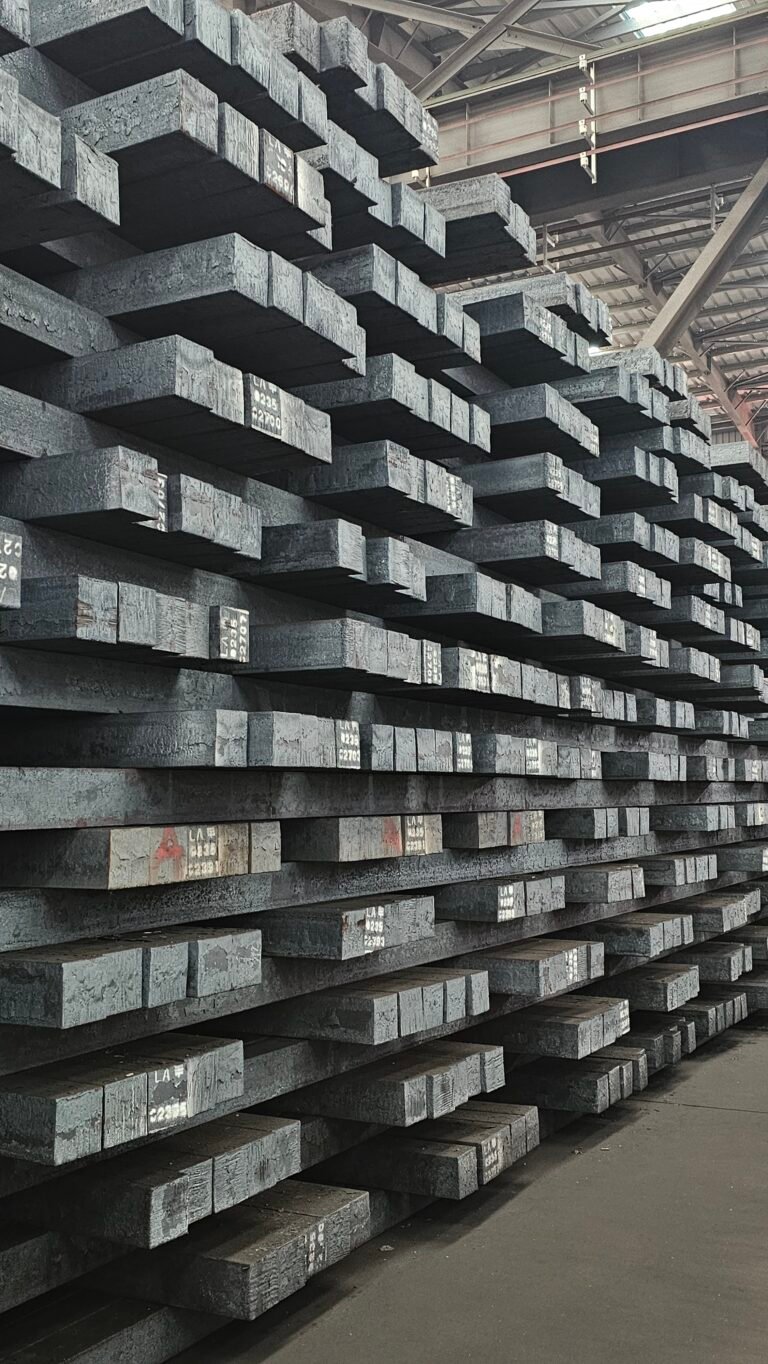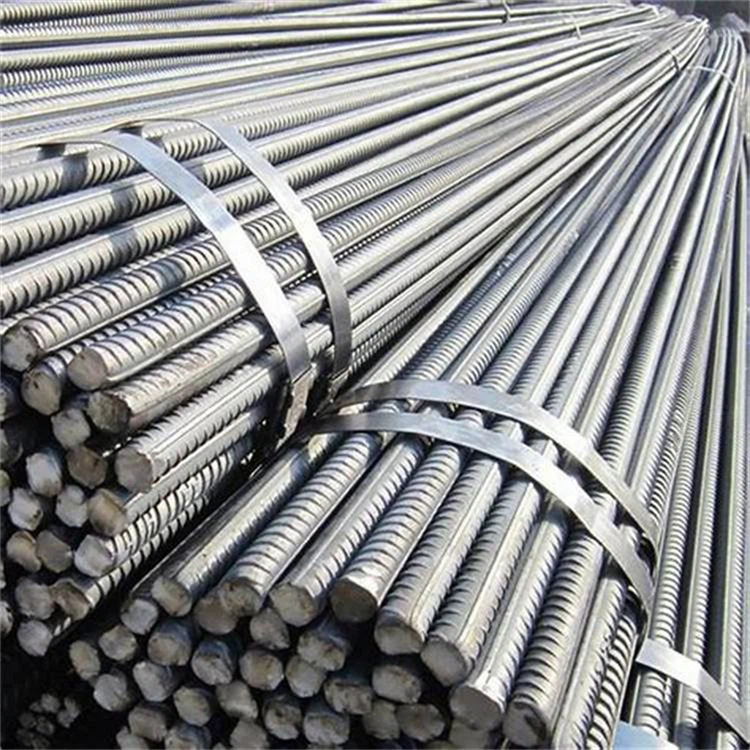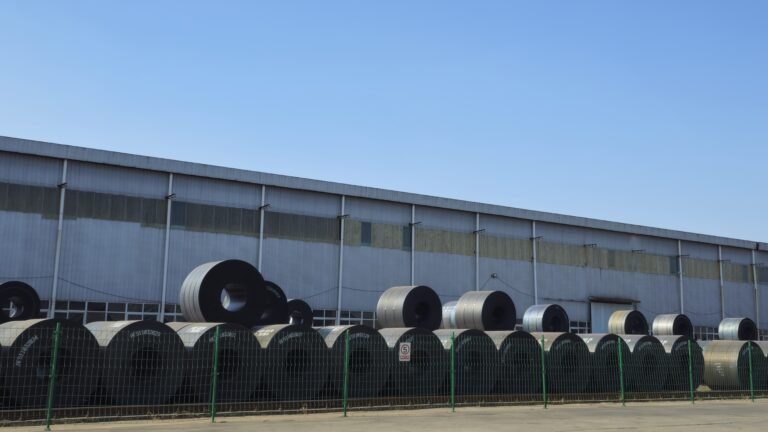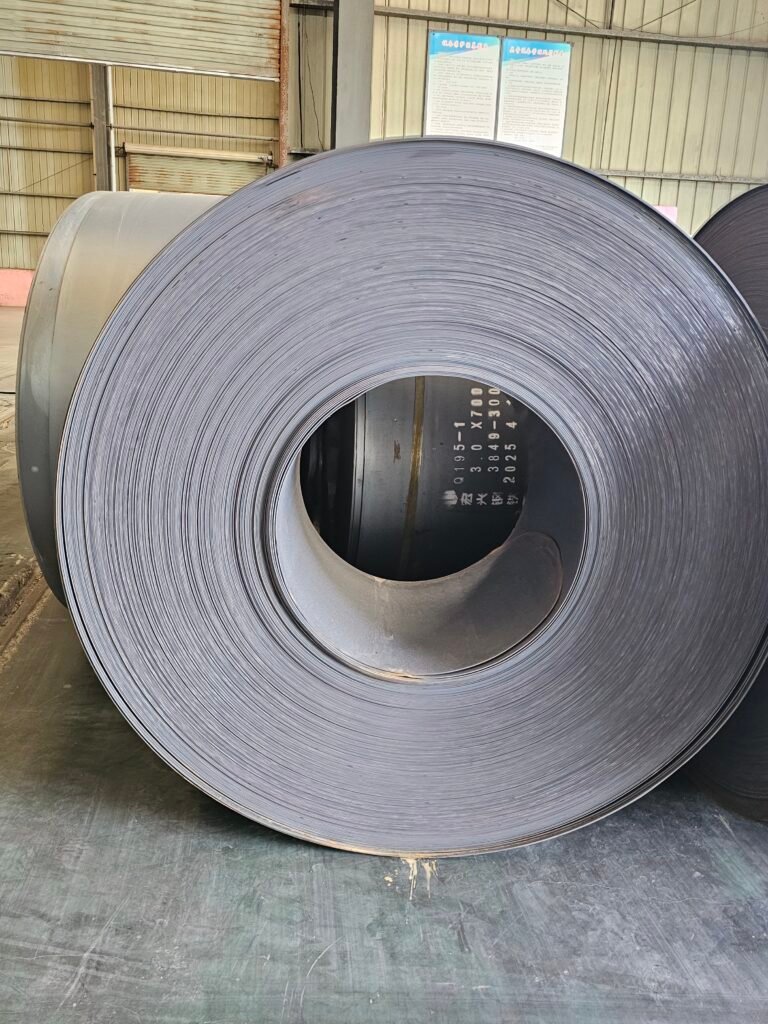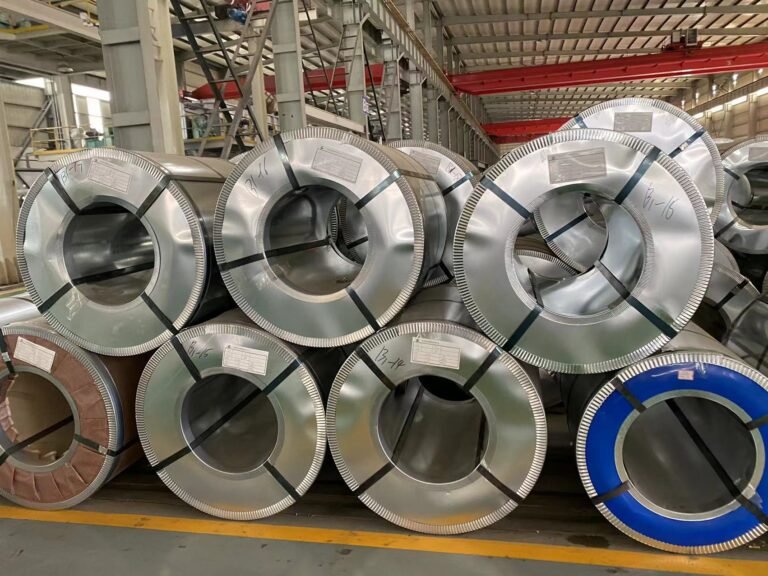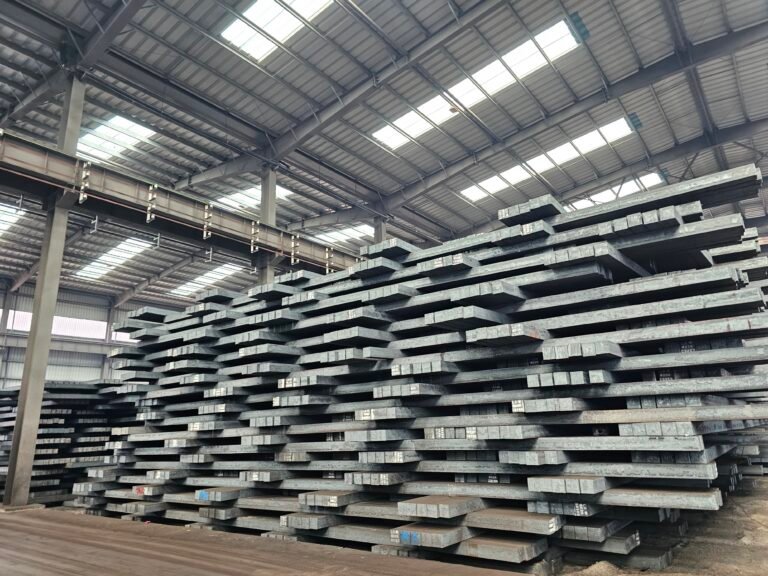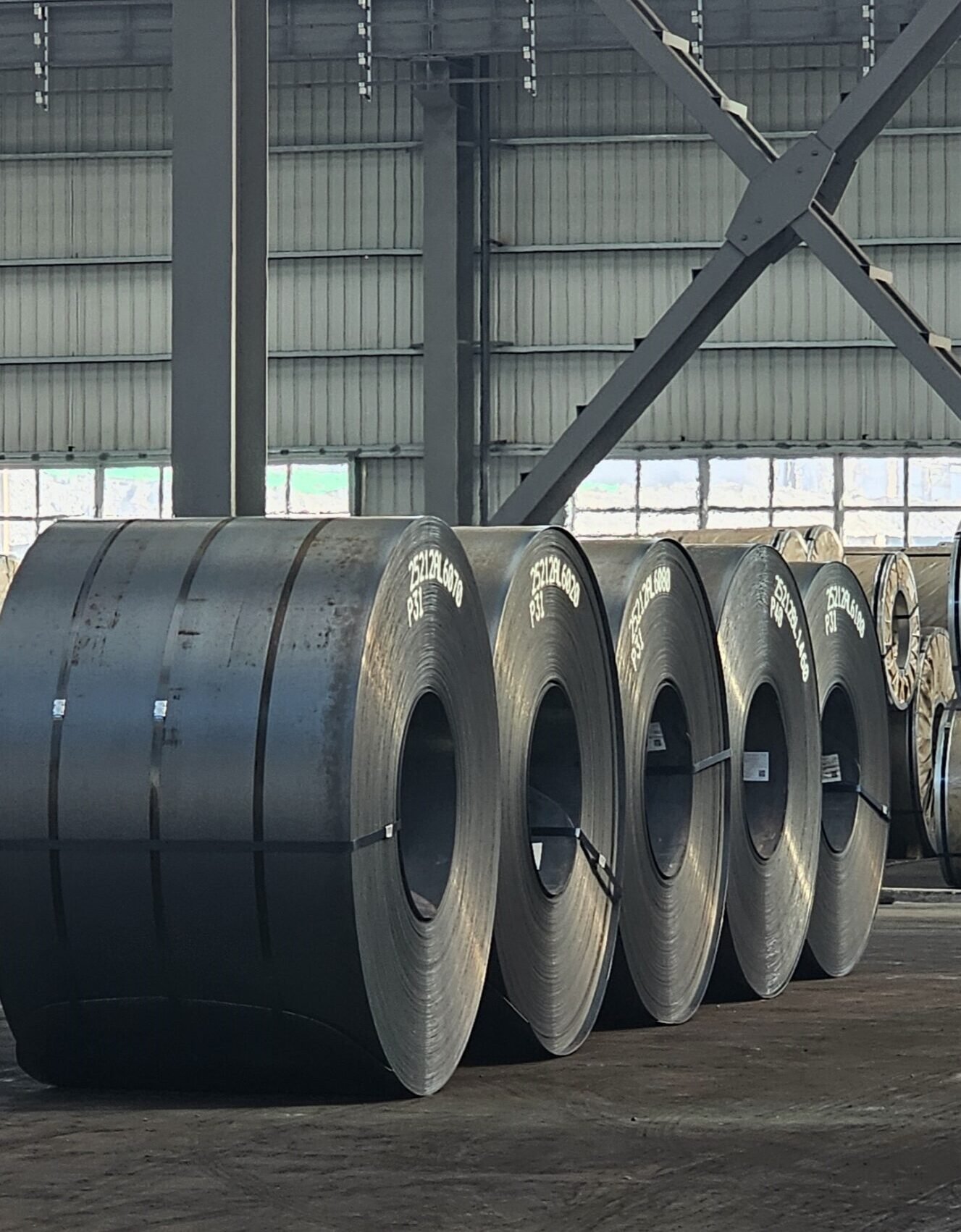
Introduction: The Intelligent Wave in the Steel Industry
Against the backdrop of the global Industry 4.0 wave, China’s steel industry is undergoing an unprecedented digital transformation. This shift represents not merely a technological upgrade but a fundamental restructuring of the entire industrial ecosystem. As the world’s largest steel producer, China’s steel industry is introducing advanced technologies like artificial intelligence, 5G, and big data, transitioning from a traditional labor-intensive sector to an intelligent, highly efficient new manufacturing model.
This transformation has significantly enhanced production efficiency and product quality, while also achieving remarkable results in energy conservation, emissions reduction, and production safety.
1. Driving Forces Behind Digital Transformation
1.1 Policy Guidance and Support
In recent years, the Chinese government has introduced a series of policies supporting the digital transformation of the steel industry. The Three-Year Action Plan for the Digital Transformation Project of the Steel Industry starting in 2025 provides clear direction and policy support for intelligent upgrades. Local governments have also rolled out preferential policies encouraging enterprises to introduce advanced equipment and technology to accelerate the digital transformation process.
1.2 Market Competition Pressure
As market supply and demand dynamics shift, market competition is becoming increasingly fierce. Traditional production models characterized by high energy consumption, high pollution, and low efficiency can no longer adapt to the new market environment. Digital transformation has become an inevitable choice for enterprises to reduce costs, improve efficiency, and enhance core competitiveness.
1.3 Advancement of Technology
The rapid development of technologies such as artificial intelligence, the Internet of Things, and big data has laid the technical foundation for the digital transformation of the steel industry. Breakthroughs in the application of AI large model technology in industrial scenarios, in particular, provide new solutions for optimizing complex steel production processes.
2. Key Technological Breakthroughs and Applications
2.1 AI Large Models Leading Change
In 2024, Hunan Steel Group, in collaboration with China Mobile and Huawei, launched the world’s first large AI model for the steel industry, marking a new stage in digital transformation. This model has been applied in 23 intelligent scenarios, covering key production processes like coking, sintering, ironmaking, steelmaking, and steel rolling.
The application of large model technology has brought significant benefits:
- Intelligent Scheduling Optimization: An intelligent scheduling system for crane operations can generate a 30-minute schedule within 1 minute, greatly improving the turnover rate of ladles and significantly reducing waiting time and energy consumption per heat.
- Quality Prediction and Control: An AI prediction and optimization system for refining can predict molten steel temperature and composition in real-time, intelligently controlling the power-on and feeding processes.
- Intelligent Equipment Maintenance: A 5G+CV (Computer Vision) large model-based intelligent conveyor belt monitoring system enables 24/7 intelligent monitoring of belt operation with a recognition accuracy of 98%.
2.2 5G Enabling Intelligent Production
The widespread application of 5G technology has provided a solid foundation for the digital transformation of the steel industry. At Xiangtan Steel, a 5G super private network covering the entire enterprise provides an information channel with ultra-high bandwidth, ultra-low latency, and massive connectivity, building a new-generation industrial interconnection system of “end-network-edge-cloud”.
Typical applications of 5G in steel production include:
- Remote Control: Enabling remote operations in high-risk environments, reducing direct human involvement in dangerous tasks.
- Real-time Monitoring: Monitoring the entire production process in real-time through high-definition video streams to identify and address issues promptly.
- Equipment Interconnection: Achieving large-scale interconnection of production equipment with real-time data transmission and processing.
2.3 Intelligent Equipment and Robotics
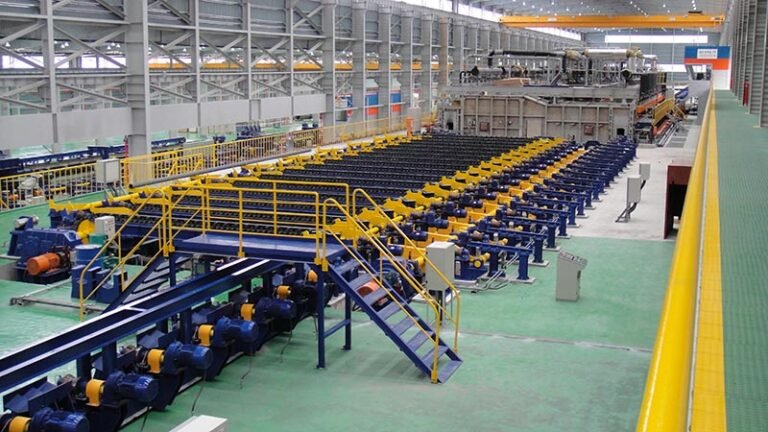
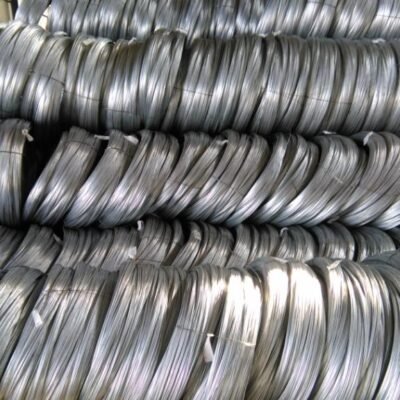
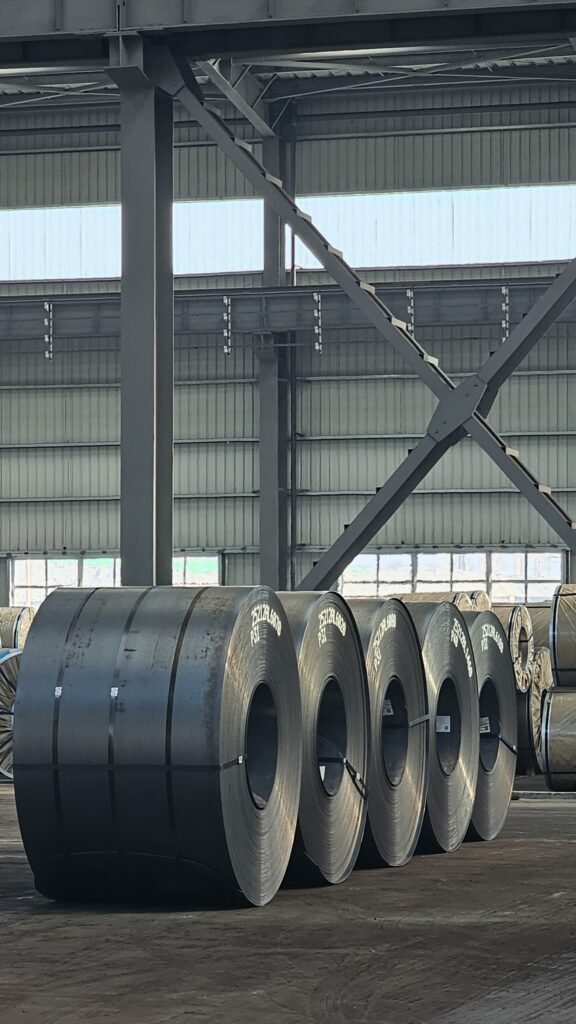
Steel enterprises are widely using intelligent equipment and industrial robots to replace workers in 3D (Dirty, Dangerous, Repetitive) positions. In the rolling mill workshop of Xiangtan Steel’s wire rod plant, a quality inspection system composed of 8 industrial cameras can conduct real-time 180-degree inspections of each coil, replacing traditional manual sampling inspections.
3. Transformation Results and Typical Cases
3.1 Xiangtan Steel: A Model of Digital Transformation
Xiangtan Steel’s digital transformation has achieved remarkable results. Through the construction of a smart factory, Xiangtan Steel has accomplished the following:
- Increased production efficiency by 30%, saved operational costs of 2.5 billion yuan, and generated direct economic benefits of 10 billion yuan.
- Streamlined and relocated over 1,000 personnel from harsh environment positions, significantly improving employee working conditions.
- Reduced the threshold for technological development, allowing technical personnel to perform modular operations like building blocks, transforming business knowledge into technical language.
Xiangtan Steel’s digital transformation extends beyond production to product development and quality control. The company has successfully developed high-end steels like nickel steel, which are used in global major projects such as large ship-borne LNG storage tanks.
3.2 Intelligent Transformation of Hebei Steel Enterprises
As China’s largest steel-producing province, Hebei’s steel enterprises have also seen significant results from digital transformation. By the end of 2024, over 80% of steel enterprises in Hebei had built intelligent control centers or applied large models.
Characteristics of the digital transformation in Hebei’s steel enterprises include:
- Comprehensive improvement in environmental performance: Hebei took the lead in launching a comprehensive “Grade A” environmental performance initiative for steel enterprises, with 39 enterprises now achieving Grade A environmental performance.
- Optimized production processes: Intelligent transformation has enabled precise control of production processes and efficient use of resources.
- Industrial chain synergy: Digital transformation has promoted synergistic effects across the upstream and downstream industrial chain, enhancing the competitiveness of the entire chain.
3.3 Significant Energy Saving and Emission Reduction Results
Digital transformation has provided strong support for energy conservation and emission reduction in the steel industry. Data shows that from 2014 to 2023, key statistical steel enterprises reduced average comprehensive energy consumption per ton of steel by 5.87%, SO2 emissions per ton of steel by 81%, and smoke and dust emissions per ton of steel by 70.8%.
By 2024, 95 steel enterprises in China had completed ultra-low emission transformations throughout the entire process and publicized their results, involving approximately 450 million tons of crude steel capacity. These achievements are inseparable from digital transformation.
4. Challenges and Response Strategies
4.1 Technical Threshold and Talent Shortage
The digital transformation of the steel industry faces the challenge of a shortage of specialized technical talent. To address this issue, enterprises are taking various measures:
- Industry-academia-research collaboration: Steel enterprises are establishing cooperative relationships with universities and research institutions to jointly cultivate specialized talent.
- Internal training: Strengthening technical training for existing employees to enhance their digital skills.
- External introduction: Actively recruiting external professional technical talent to fill gaps.
4.2 Investment Pressure and Return Cycle
Digital transformation requires significant capital investment, creating pressure on corporate finances. To alleviate this pressure, enterprises can adopt the following strategies:
- Phased implementation: Promoting digital transformation in stages according to the enterprise’s actual situation, balancing input and output.
- Government support: Actively seeking relevant government policies and financial support to reduce transformation costs.
- Benefit evaluation: Establishing a scientific benefit evaluation system to ensure return on investment.
4.3 Data Security and System Integration
As digital transformation deepens, data security and system integration become important challenges. Steel enterprises need to:
- Establish a comprehensive data security management system to protect production data and commercial secrets.
- Promote system integration and interoperability to avoid information silos.
- Develop unified data standards and interface specifications to facilitate collaboration between systems.
5. Future Development Trends and Prospects
5.1 Continuous Improvement in Intelligent Levels
In the future, the digital transformation of the steel industry will develop at deeper levels and broader scales. AI large model technology will be applied in more production scenarios, achieving comprehensive intelligentization of the production process. Meanwhile, the application of digital twin technology will enable steel enterprises to conduct production simulations and optimizations in virtual environments, further enhancing production efficiency and quality.
5.2 Tighter Industrial Chain Collaboration
Digital transformation will promote tighter collaboration across the upstream and downstream industrial chain. Through industrial internet platforms, steel enterprises can achieve comprehensive connections with suppliers and customers, building a more efficient and transparent supply chain system. This synergistic effect will further enhance the competitiveness of the entire industrial chain.
5.3 Green and Low-Carbon as Core Direction
With the advancement of carbon peak and carbon neutrality goals, the digital transformation of the steel industry will focus more on green and low-carbon development. Optimizing energy management through digital technology, improving resource utilization efficiency, and reducing carbon emissions will become the core direction of digital transformation for steel enterprises.
It is expected that by 2025, China’s steel industry will achieve the goal of an average annual growth of about 4% in value-added output, with basic balance in market supply and demand, and economic benefits stabilizing and rebounding. Digital transformation will provide powerful momentum for achieving this goal.
Conclusion
The digital transformation of China’s steel industry is profoundly changing the landscape of this traditional sector. From AI large models to 5G super private networks, from intelligent equipment to digital twins, the application of new technologies has not only improved production efficiency and product quality but also propelled the entire industry toward a greener, low-carbon, and efficient development direction.
Facing the future, China’s steel industry needs to continue deepening its digital transformation, strengthening technological innovation and talent cultivation, promoting industrial chain collaboration, and achieving high-quality development. Only in this way can China transition from a major steel country to a strong steel power, occupying a more important position in the global steel industry.
This article synthesizes information from multiple authoritative sources, including the National Data Bureau, Xinhua News Agency, and industry reports. For specific technical details or comprehensive data, please consult specialized industry publications.