
Air conditioners that use less electricity, cars with longer range, and safer buildings—behind these changes in our daily lives lies a quiet revolution in the steel industry.
There was a time when mentioning a steel plant would conjure images of billowing smoke and grey skies. But today, the steel industry is undergoing an unprecedented transformation. It is shifting from a model focused on scale expansion to one emphasizing quality improvement, and from traditional manufacturing towards green and smart manufacturing .
When you enjoy the cool air from an energy-efficient AC unit, drive a new energy vehicle with better range, or live in a safer, better-built home, you are experiencing the outcomes of this transformation. This article explores how the steel industry is impacting our lives and the remarkable changes currently underway.
1. The “Green Makeover” of Steel
You might not know it, but some steel plants have become national 4A-level tourist attractions. At a steel plant in Xingtai, Hebei, swinging on swings under the shade of trees and taking photos with robots is a reality. This site now welcomes large numbers of visitors on weekends .
This change is no accident. Steel plants have invested heavily in environmental upgrades. Open stockyards have been enclosed, advanced flue gas filtration systems have been installed in sintering plants, and intelligent platforms monitor dust emission points across the facility in real-time .
These investments have yielded both blue skies and tangible economic benefits. Environmental upgrades have driven improvements in core equipment, added nearly 40 new types of specialty steel, and increased overall profit margins by 10%. Furthermore, recycling steel slag, waste gas, steam, and coal gas adds nearly 500 million yuan in efficiency gains annually for some plants .
2. Lighter, Stronger, More Efficient: The Quality Revolution
Steel is becoming lighter, stronger, and more energy-efficient.
The rise of new energy vehicles is a prime example. Lighter vehicle bodies require high-strength steel, and the core material for drive motors—high-grade silicon steel—is in high demand. A type of ultra-thin silicon steel produced by Shougang Group reduces core losses in motors by 39%, and is used in the core components of every third new energy vehicle in China .
In the appliance sector, smart, healthy, and user-friendly high-end products are popular, demanding better performance from key materials like high-performance corrosion-resistant thin sheets and high-efficiency silicon steel .
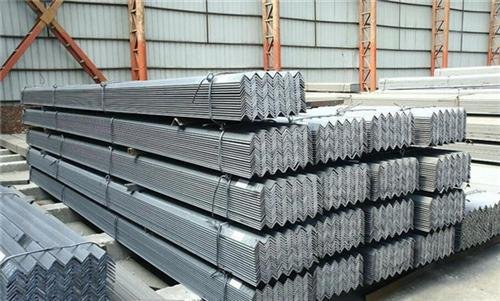
Even our homes are driving steel upgrades. The construction of “high-quality houses” requires steel to evolve from a basic building material into a guarantor of safety, comfort, and sustainability. Building structures need high-strength steel for safety, while flexible layout designs require large- and medium-sized H-sections to allow for fewer support columns .
3. The “Slimming” Plan for Steel
In a significant shift, some premium steel products are no longer sold by the ton but have entered a refined value system where they are sold by the gram .
A high-purity iron developed by Hebei Longfengshan New Material Technology Group contains only eight parts per million impurities and can be priced similarly to gold. Shougang Group has successfully developed ultra-high-strength automotive sheet steel with a strength of 2,000 megapascals, among the highest globally .
This shift from “ton” to “gram” signifies the industry’s move away from resource-intensive, extensive growth towards innovation-driven, connotative development .
4. How Steel Transformation Affects Your Daily Life
The changes in steel are quietly impacting our daily lives :
- More Energy-Efficient Appliances: The silicon steel produced by companies like Shougang acts as the “energy-saving heart” of air conditioners and refrigerators, significantly reducing their power consumption.
- Greener Transportation: High-strength steel leads to lighter vehicle bodies, improving the range of new energy vehicles.
- Safer Housing: The construction of “high-quality houses” uses high-strength steel for structural safety. Some even incorporate smart steel with embedded optical fiber sensors to continuously monitor data and provide early warnings for potential hazards.
- Cleaner Air: Environmental upgrades at steel plants have contributed to a significant drop in the average concentration of PM2.5 particulate matter in key cities compared to a decade ago .
5. Future Outlook: Steel’s New Role
In the future, steel companies will transition from being simple material suppliers to becoming comprehensive solution providers .
This means they will need to deeply understand customer needs and offer all-around services. Steel companies are engaging deeply with downstream industries like automotive, appliances, and engineering machinery, providing services ranging from material selection and product design to production, logistics, and recycling .
Simultaneously, the industry is becoming greener and smarter. Technologies like hydrogen-based ironmaking and carbon capture are helping to reduce emissions, while smart manufacturing boosts production efficiency and product quality .
Conclusion: The Inseparable Link Between Steel and a Better Life
The transformation of the steel industry is not just its own affair; it concerns the quality of life for everyone. From energy-saving appliances and safe, comfortable housing to green transportation and clean air, the industry’s innovations are quietly enhancing our quality of life .
The next time you switch on an energy-efficient air conditioner, drive a new energy vehicle, or stroll through a park created on the site of a former steel plant, consider the remarkable metamorphosis of this ancient industry—no longer content to be the world’s “steel backbone,” but determined to be a creator of green living .
This transformation has no endpoint, but the direction is clear: steel will become ever more intertwined with our pursuit of a better life .